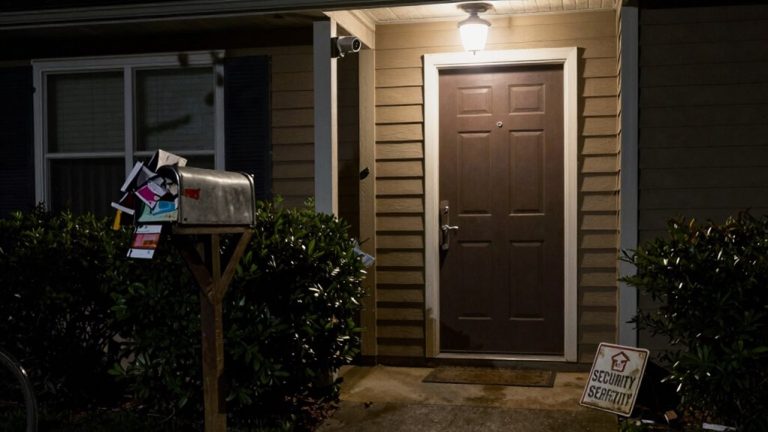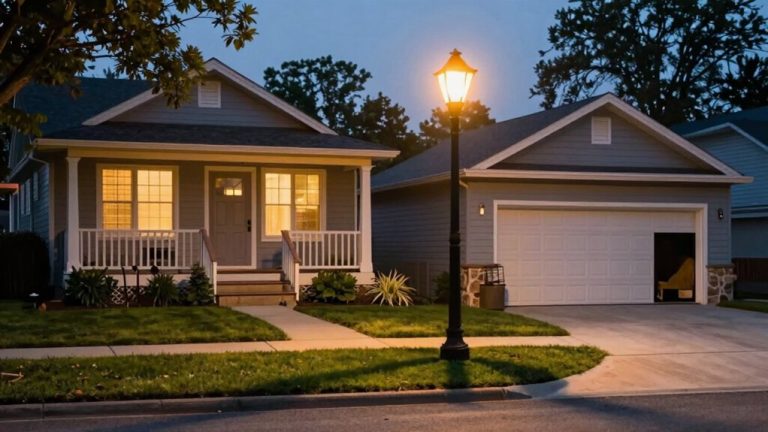
Criminals often exploit subtle cues in your home’s security, many of which you might overlook. Unlatched doors or a lack of surveillance cameras can signal vulnerability, making your property a prime target. Additionally, predictable routines can provide valuable information to potential intruders. Understanding how these factors intertwine can help you strengthen your defenses. So, what specific changes can you implement to greatly reduce your risk?
Common Signs of Weak Home Security
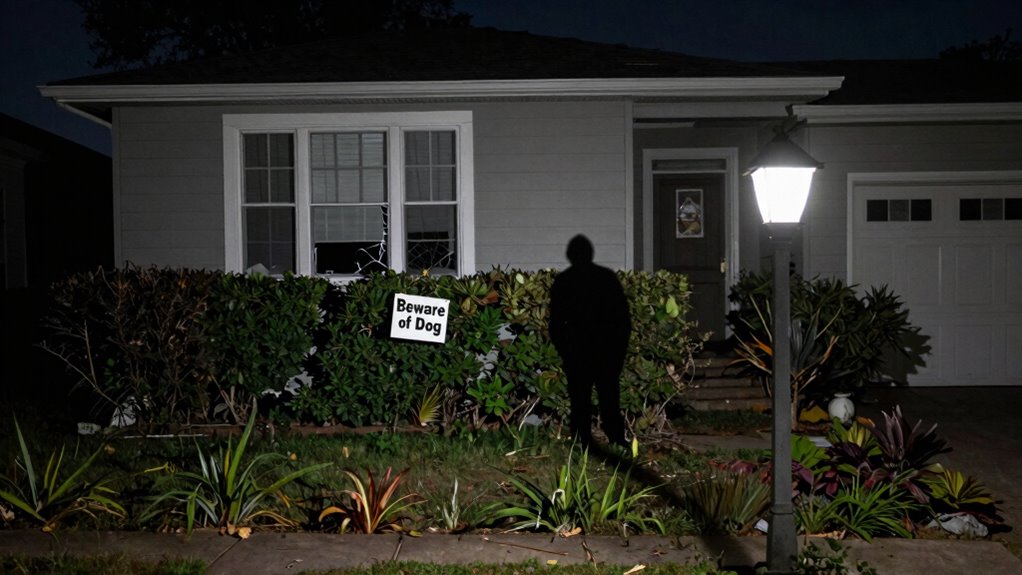
How do you know if your home security is lacking? Start by examining your entry points. Unlatched doors are an obvious sign of vulnerability, inviting intruders to exploit your home.
Next, consider your windows; if they’re easily accessible and lacking reinforcement, they become vulnerable windows that criminals can easily breach. Additionally, security automation can enhance your home’s defenses by allowing you to schedule lighting to simulate occupancy, making your home appear occupied even when it’s not.
Easily accessible, unreinforced windows are an open invitation for criminals to breach your home security.
Hidden cameras can enhance your security, but if they’re not present, you’re missing a vital deterrent.
Additionally, evaluate your alarm systems. If they’re outdated or non-functional, they’re ineffective in protecting your space. A lack of visible security measures sends a clear message: your home isn’t a risky target. Incorporating wireless security systems can provide easy installation and flexibility in monitoring, enhancing your overall home protection.
Take these factors into account, and you’ll get a clearer picture of where your security fails. By addressing these common signs of weak home security, you can reclaim your peace of mind and assert your freedom in your sanctuary.
How Your Landscaping Choices Can Keep Intruders Away
Landscaping choices play a vital role in deterring intruders and enhancing your home’s overall security. Implementing effective landscaping strategies can create natural barriers that hinder access and visibility.
For instance, consider using thorny plants like hawthorn or barberry near vulnerable entry points. These selections not only add beauty but also act as physical deterrents.
Additionally, maintaining low shrubs and trees can prevent hiding spots for potential intruders. High visibility around your property is essential; therefore, opt for strategic plant selection that keeps sight lines clear.
Moreover, incorporating gravel or stone pathways can make it more difficult for intruders to approach quietly. By thoughtfully planning your landscaping, you not only enhance your home’s aesthetic appeal but also create a formidable line of defense.
The Role of Lighting in Enhancing Home Security
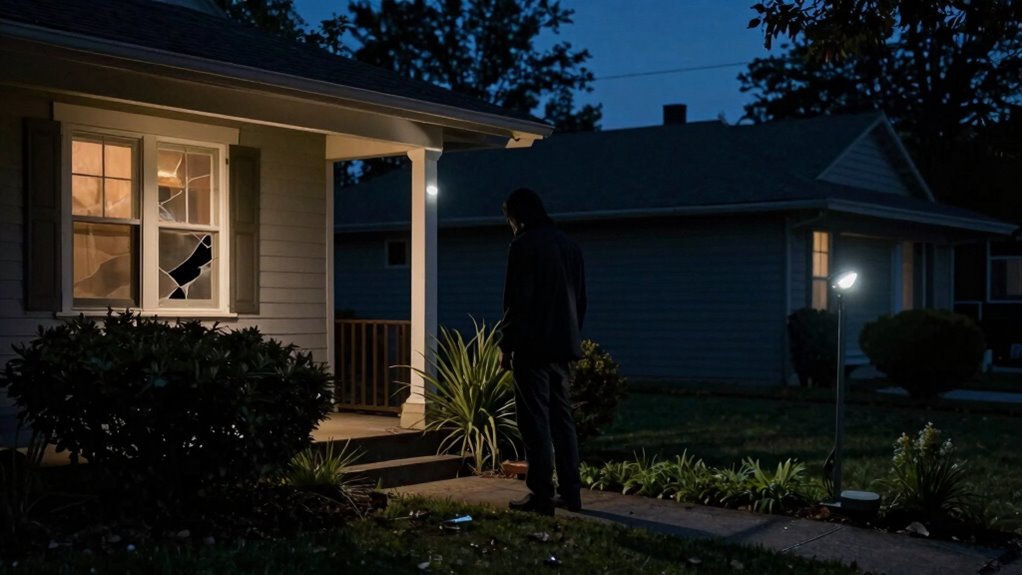
Properly placed outdoor lighting is essential for deterring potential intruders. By strategically illuminating entry points and pathways, you eliminate shadows where criminals might hide. Additionally, incorporating motion sensors can enhance your security by providing immediate visibility and alerting you to any unusual activity. Furthermore, wireless security systems can be integrated with outdoor lighting to create a comprehensive security solution. Creating effective lighting patterns for day and night can further simulate occupancy and deter potential intruders.
Strategic Outdoor Lighting Placement
Effective outdoor lighting enhances visibility, making it harder for criminals to operate unnoticed. Here are some security tips for ideal placement:
- Install lights near entry points like doors and windows.
- Use motion-activated lights to catch attention quickly.
- Illuminate dark pathways and driveways to reduce hiding spots.
- Opt for bright, LED lights that flood areas with light.
- Confirm all outdoor lighting is regularly maintained and functional. Additionally, integrating motion sensors with your outdoor lighting can further enhance security by detecting any movement and triggering immediate illumination. Consider using strategic landscaping to complement your lighting efforts, as it can help eliminate blind spots and improve overall coverage.
Motion Sensors Benefits
When considering home security, incorporating motion sensors into your outdoor lighting system can greatly enhance safety by providing immediate alerts and illumination. There are various motion sensor types, including passive infrared and dual-tech, each offering unique benefits. These sensors detect movement and trigger lights, deterring potential intruders and alerting you to unusual activity. For effective installation, place sensors at strategic points, such as entryways and driveways, ensuring they cover high-risk areas. Additionally, advanced technology utilized in motion sensors enables enhanced detection capabilities, making them more effective at identifying genuine threats. Adjust sensitivity settings to minimize false alarms caused by pets or wildlife. Furthermore, proper placement and adjustments of motion sensors can further mitigate common issues with false triggers.
Why Access Points Are Critical for Home Security
Access points serve as the essential gateways to your home’s security, ensuring that every entry is monitored and controlled. Understanding their importance helps you create effective security barriers that protect your freedom and peace of mind.
- Front and back doors: Primary access points often attract attention.
- Windows: Often overlooked, they can be vulnerable entryways, particularly if motion detectors are not installed to enhance security.
- Garages: A common access point that may not be adequately secured.
- Sliding doors: Require special locks to enhance security.
- Side gates: Often neglected, they can provide an easy entry for intruders.
Additionally, implementing wireless alarm systems at these access points can significantly enhance your home security.
How Neighborhood Crime Rates Influence Security Choices
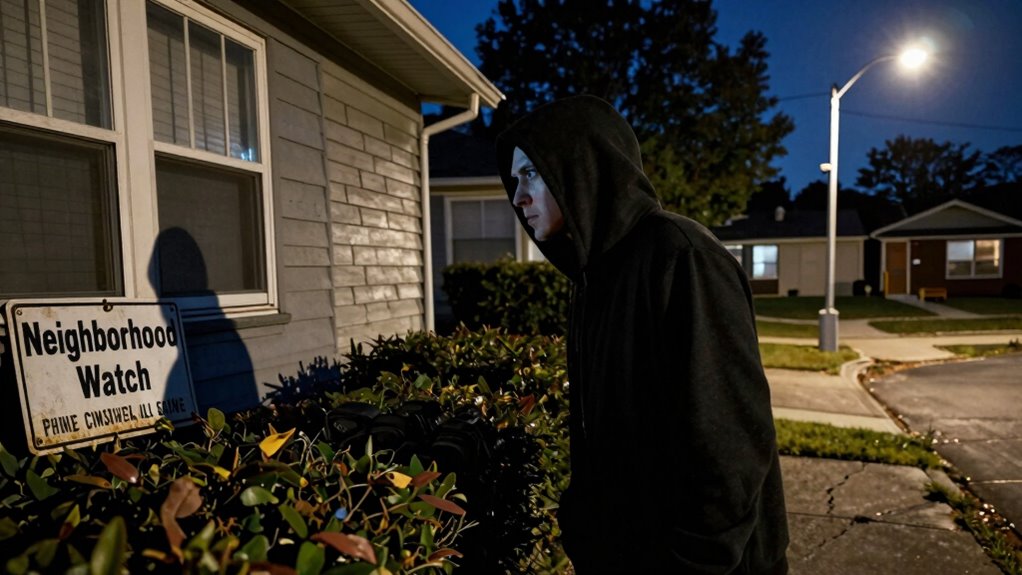
Neighborhood crime rates play a significant role in shaping your security decisions. When evaluating your home’s vulnerability, you need to take into account the specific demographics and crime trends in your area. Higher crime rates often correlate with a greater perceived risk, prompting you to invest in more robust security measures.
For instance, if your neighborhood has a history of property crimes, you might opt for advanced alarm systems or surveillance cameras. Conversely, in lower-crime areas, you might feel secure with basic locks or minimal security features.
Understanding local crime trends can also help you identify peak times for criminal activity, allowing you to adjust your security habits accordingly. Ultimately, tailoring your security choices to reflect neighborhood demographics and crime rates not only enhances your protection but also fosters a sense of freedom in your living environment.
Stay informed, and don’t underestimate the impact of your surroundings on your safety decisions.
Social Media and Home Security Risks
When you share personal information on social media, you might unknowingly invite security risks into your home.
Location check-ins and vacation announcements can signal to potential intruders that your home is unoccupied and vulnerable.
It’s essential to reflect on how your online presence impacts your home security.
Oversharing Personal Information
Have you ever considered how your social media activity might inadvertently expose your home to potential threats?
The oversharing impacts on your home security can be significant, especially if you neglect your privacy settings. Criminals often scout social platforms for personal details that indicate when you’re away or what valuables you own.
Consider these risks:
- Posting vacation plans
- Sharing photos of new purchases
- Discussing your daily routines
- Tagging your location frequently
- Revealing personal information in conversations
Location Check-Ins Risks
While it might seem harmless to share your location with friends on social media, doing so can greatly compromise your home security.
Every time you check in at a restaurant or event, you unintentionally broadcast your absence from home. This lack of check-in awareness can attract unwanted attention from those looking for easy targets.
Criminals often monitor social media for cues about location privacy, using your posts to determine when you’re away. By sharing your whereabouts, you signal that your home is unguarded, making it an appealing option for burglary.
To protect your freedom and security, consider limiting location check-ins and think twice before broadcasting your activities online. Your home’s safety starts with how discreetly you manage your presence on social media.
Vacation Announcements Dangers
Announcing your vacation plans on social media might seem like an exciting way to share your adventures, but it also poses significant risks to your home security.
When you broadcast your absence, you’re fundamentally inviting trouble. Consider these factors during your vacation planning and announcement strategies:
- Potential burglars monitor social media for targets.
- Public posts reveal when your home will be vacant.
- Friends might inadvertently share your plans with others.
- You could attract unwanted attention from opportunistic thieves.
- Your home’s location is more visible to those with ill intentions.
Daily Routines That Make Your Home an Easy Target
Neglecting certain daily routines can inadvertently turn your home into an easy target for intruders. Your daily habits, like leaving windows open during your predictable schedule, signal to potential intruders that your home is unguarded. If you consistently leave for work at the same time each day, a savvy criminal may notice this pattern and exploit it.
Additionally, keeping the same lights on or off during the day can create a false sense of security, making it easier for intruders to gauge when to strike.
To combat this, vary your routines. Change the times you leave or return home and alternate your lighting patterns. You might also consider using timers for lights or electronics to simulate occupancy.
Identifying Weaknesses in Your Home Security System
To effectively protect your home, it’s crucial to identify the weaknesses in your security system. Conducting a thorough weakness assessment and security evaluation can highlight areas that need improvement.
Here are some key aspects to reflect on:
- Entry Points: Examine doors and windows for vulnerabilities, such as weak locks or damaged frames.
- Lighting: Assess the adequacy of outdoor lighting; dark areas can invite trouble.
- Alarm System: Evaluate whether your alarm system is functional and up to date.
- Neighborhood Watch: Reflect on the level of community vigilance; a lack of awareness can be a risk.
- Landscaping: Review your yard for overgrown bushes or trees that can hide intruders.
Practical Tips to Boost Your Home Security
While many homeowners take basic precautions, enhancing your home security requires a proactive approach that goes beyond the fundamentals. Regular security audits can help you identify vulnerabilities. Consider these practical tips for effective home upgrades:
| Security Measure | Benefits |
|---|---|
| Upgrade Locks | Increased resistance to forced entry |
| Install Motion Lights | Deters intruders at night |
| Reinforce Doors | Strengthens entry points |
| Utilize Security Cameras | Enhances surveillance and peace of mind |
| Secure Windows | Prevents easy access from outside |
Implementing these upgrades not only fortifies your home but also empowers you with a sense of freedom. By taking these steps, you’re actively reducing the risk of becoming a target, ensuring your home remains a sanctuary. Remember, a well-secured home is a proactive choice that promotes safety and tranquility.
Frequently Asked Questions
What Types of Homes Do Criminals Prefer to Target?
Criminals often target homes with weak security features, like poor locks or no alarms, in neighborhoods with lower demographics. They seek out characteristics such as isolation, visibility, and lack of surveillance to maximize their chances of success.
How Do Burglars Research Potential Targets Before Breaking In?
Burglars conduct target research by observing crime patterns in neighborhoods, noting security measures, and identifying vulnerable homes. They often watch for signs of routine or absence, ensuring they choose the easiest targets for their illicit activities.
What Role Does Neighborhood Watch Play in Deterring Crime?
Neighborhood watch programs enhance community engagement and encourage crime prevention. When you participate, you create a vigilant environment, making potential criminals think twice before targeting your area. Your active involvement fosters safety and strengthens neighborhood bonds.
How Can Technology Help in Identifying Weak Security?
Think of smart home technology as your digital fortress. It uses security analytics to pinpoint vulnerabilities, helping you strengthen weak spots before they become targets. Embracing this tech empowers you to enhance your home’s safety effectively.
Are Certain Times of Year More Dangerous for Home Break-Ins?
Yes, certain times of year, especially during holiday seasons, see increased break-ins. Weather patterns can also influence criminal activity, as harsh conditions may deter some but provide cover for others seeking vulnerable homes. Stay vigilant!