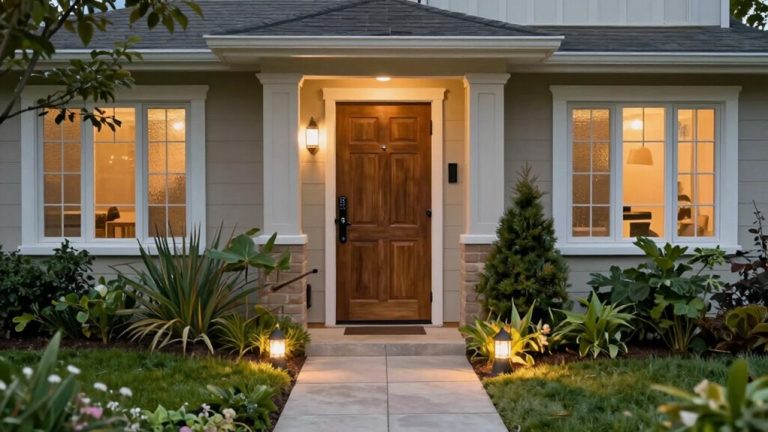
When you think about feeling safe at home, it’s more than just having locks on your doors. It’s about the emotional comfort that stems from trust and familiarity. On the other hand, being secure involves concrete measures like alarm systems and neighborhood watch programs. Understanding the difference between these two concepts is essential for creating a genuinely protective environment. So, how do these elements work together to enhance your overall sense of well-being at home?
Understanding What It Means to Feel Safe at Home
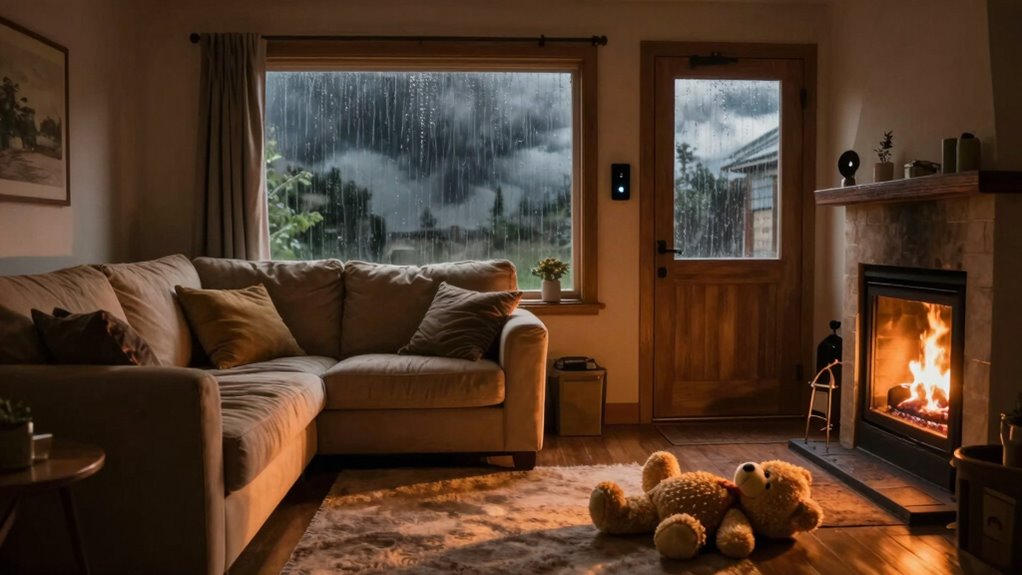
What does it truly mean to feel safe at home? It’s more than just locking doors or having security systems; it’s about cultivating an environment of home comfort and emotional reassurance.
When you walk through your front door, you should feel a sense of belonging and peace. This feeling allows you to relax, unwind, and express yourself freely without fear.
To achieve this, consider how your surroundings contribute to your mental state. Soft lighting, personal mementos, and a clutter-free space can enhance your sense of safety. Engaging with family and friends, fostering open communication, and building trust also play significant roles.
Additionally, creating routines that promote security—like checking in with loved ones—can provide a deeper sense of reassurance. Incorporating professional monitoring services can further enhance your home security, ensuring a swift response in emergencies.
Ultimately, feeling safe at home is about nurturing an atmosphere that supports your emotional well-being and enables you to thrive in your personal sanctuary.
The Importance of Home Security Measures
When it comes to home security, implementing essential security systems is vital for protecting your property and loved ones. You can also enhance your safety by participating in neighborhood watch programs, which foster community vigilance and collaboration. Understanding these measures not only boosts your actual security but can also greatly improve your peace of mind. Additionally, investing in professional monitoring can provide 24/7 surveillance and immediate response, further enhancing your home’s safety and security. This level of protection ensures quick assessment of situations by trained operators, which can significantly enhance safety and security.
Essential Security Systems
While you might feel at ease in your own home, that sense of comfort can be misleading without proper security measures in place.
Essential security systems like alarm systems and surveillance cameras are vital for true peace of mind. Smart locks and access control enhance your home’s defenses, making it harder for intruders to gain entry. Additionally, the presence of professional monitoring ensures that any alarm triggers receive immediate attention and response.
Integrating home automation allows you to monitor your property remotely and receive alerts in real-time. Regular security audits help identify vulnerabilities, ensuring your emergency plans are up to date. Additionally, having professional monitoring services provides an extra layer of protection with 24/7 surveillance and immediate response to potential threats.
By prioritizing these measures, you not only protect your space but also contribute to neighborhood safety.
Neighborhood Watch Programs
Beyond individual security measures, community involvement plays an essential role in enhancing safety at home. Neighborhood watch programs foster a culture of awareness and cooperation, making crime prevention a shared responsibility. By participating, you not only gain the support of your neighbors but also strengthen the sense of community. Additionally, implementing home security systems can further protect against potential intruders and enhance overall safety. Wireless security systems can provide residents with flexible options to monitor their homes remotely, adding another layer of protection.
| Benefits of Neighborhood Watch | Impact on Crime Prevention |
|---|---|
| Increased vigilance among residents | Deterrence of criminal activity |
| Improved communication | Faster reporting of suspicious behavior |
| Stronger community bonds | Enhanced trust among neighbors |
| Regular safety meetings | Sharing of crime trends |
| Collaborative problem-solving | Proactive neighborhood strategies |
Engaging in neighborhood involvement can greatly reduce crime rates, making you feel secure in your home.
How Personal Experiences Shape Our Sense of Safety
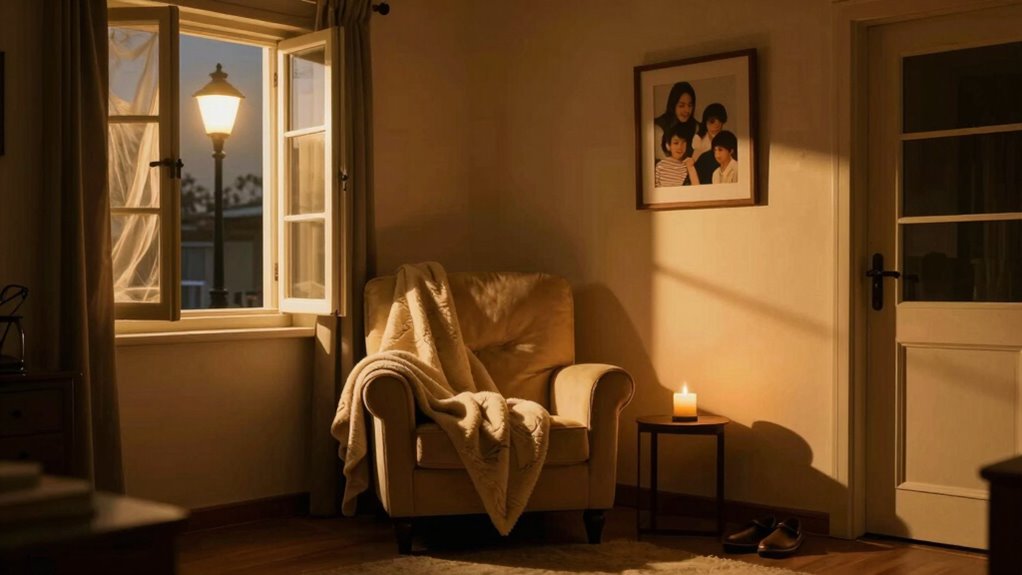
Your past experiences considerably shape how you perceive safety in your home.
If you’ve faced a break-in or lived in a community with high crime rates, your sense of security might be compromised. In fact, approximately 60% of robbers stated the presence of a security alarm would deter them from targeting a home, highlighting the importance of protective measures. Conversely, positive experiences in a supportive neighborhood can enhance your feeling of safety, influencing how you protect your home and well-being. Additionally, understanding that homes without security systems are at higher risk of burglary can motivate homeowners to prioritize their safety with security systems.
Past Experiences Influence Perception
Our past experiences considerably shape how we perceive safety at home, often creating a lens through which we interpret our surroundings.
If you’ve faced past trauma or unsettling childhood experiences, your psychological factors might skew your perception of safety, making you more vigilant or anxious.
Cultural influences also play a role; societal perceptions of crime and safety can amplify your fears. Personal anecdotes, like a friend’s break-in, can trigger heightened sensitivity to potential threats.
Understanding these influences helps you recognize that your feelings mightn’t always align with reality.
Community Impact on Safety
While individual experiences remarkably shape your perception of safety, the broader community context also plays an essential role. Community trust and neighborhood cohesion can greatly enhance your sense of security. When you know your neighbors and feel a sense of belonging, you’re more likely to feel safe in your environment. Additionally, the presence of home security systems can further strengthen community safety by deterring crime and providing rapid alerts in emergencies.
| Factor | Impact on Safety |
|---|---|
| Community Trust | Fosters open communication |
| Neighborhood Cohesion | Encourages collective action |
| Shared Experiences | Builds mutual understanding |
Understanding these dynamics helps you realize that feeling secure isn’t just about personal measures; it’s about the strength of your community. By nurturing relationships within your neighborhood, you contribute to a safer, more secure environment for everyone.
Essential Security Measures for Protecting Your Home
A thorough approach to home security involves implementing essential measures that deter potential threats and enhance your sense of safety.
Start by investing in security technology, like high-definition cameras and motion detectors, which provide real-time monitoring and alerts. Integrating home automation systems can further bolster your security; smart locks and automated lighting create the illusion of occupancy, discouraging intruders.
Next, reinforce entry points with solid doors, deadbolts, and window locks. Don’t underestimate the value of a well-lit exterior—installing motion-activated lights can eliminate shadows that offer cover for potential criminals.
Regularly review your home security plan and adapt it based on new threats or advancements in technology.
Lastly, engage with your community. Building relationships with neighbors can create a supportive network that watches out for each other, enhancing overall safety.
How Emotions Influence Your Sense of Safety
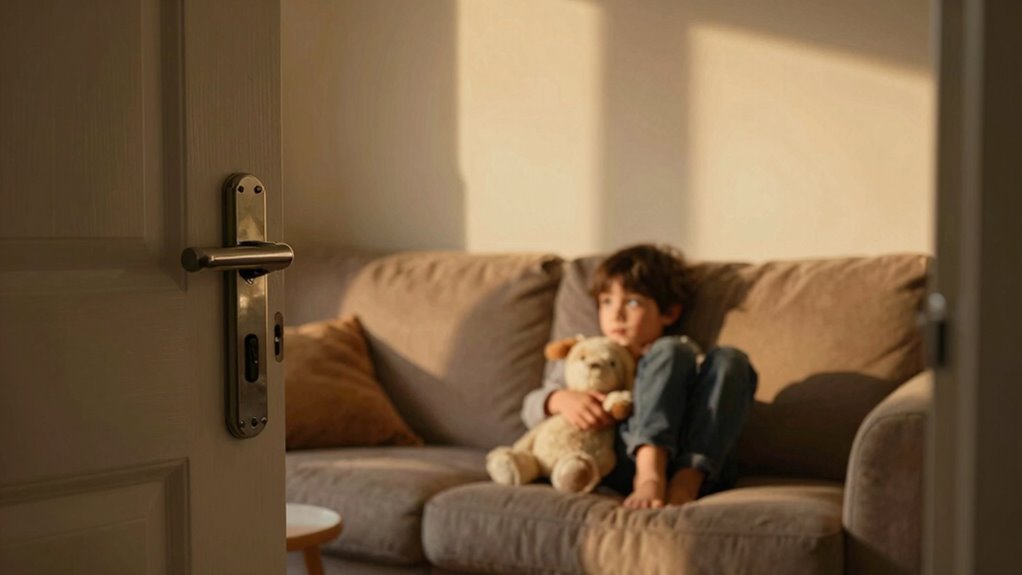
Emotions play an essential role in shaping your sense of safety at home, as feelings of fear or anxiety can heighten your perception of vulnerability. When you feel threatened, even minor disturbances can trigger an overwhelming sense of insecurity.
This emotional response often clouds your rational judgment, making it hard to assess actual risks. Developing emotional resilience can help you manage these feelings, allowing you to respond to perceived threats with a clearer mind.
Understanding how your emotions influence your safety perception is vital. By recognizing the connection between your emotional state and how safe you feel, you can take practical steps to mitigate anxiety.
For instance, incorporating calming practices like mindfulness or breathing exercises can help you regain a sense of control. Ultimately, fostering emotional resilience empowers you to create a more secure home environment, where your feelings of safety are grounded in reality rather than fear.
Balancing Security With Emotional Well-Being
Creating a sense of safety at home involves more than just addressing emotional responses; it requires a thoughtful balance between security measures and emotional well-being. You need to cultivate an emotional balance that allows you to feel secure without becoming overly reliant on security systems.
While locks, cameras, and alarms can enhance your security mindset, they shouldn’t dominate your thoughts or daily life. To achieve this balance, integrate security features seamlessly into your home, making them part of your environment rather than an obsession.
Security measures should enhance your peace of mind, not overshadow your daily life; integrate them into your home effortlessly.
Consider how your home makes you feel—surrounding yourself with comfort and familiarity can enhance your emotional well-being. Engage in practices that alleviate anxiety, such as mindfulness, while maintaining reasonable security measures.
Ultimately, feeling secure at home means recognizing that true safety stems from both a sense of protection and a peaceful state of mind, allowing you the freedom to live fully.
How Community Can Make You Feel Safer at Home
While many people focus on individual security measures, a strong sense of community can greatly enhance your feelings of safety at home.
When you’re surrounded by engaged neighbors, you create an environment that fosters trust and cooperation.
Here are three ways community engagement can make you feel safer:
- Shared Resources: By pooling resources, you can access better security measures, such as neighborhood watch programs or shared surveillance systems.
- Increased Vigilance: When neighbors look out for one another, you benefit from heightened awareness of unusual activities, making it less likely for crime to occur.
- Emotional Support: Knowing you’re part of a community provides emotional backing, reducing anxiety and fostering a sense of belonging.
Together, these elements contribute to an atmosphere where you not only feel safe but also empowered, allowing you to enjoy your home with greater peace of mind.
Tips for Creating a Safe and Secure Home Environment
Establishing a safe and secure home environment hinges on a combination of practical measures and mindful habits.
Start by implementing home automation systems, like smart locks and security cameras, that let you monitor your property remotely. This technology not only enhances security but also gives you peace of mind, allowing you to enjoy your freedom without constant worry.
Engage with your neighborhood by participating in local watch programs or community events. Building relationships with your neighbors fosters a sense of collective vigilance, making it harder for intruders to go unnoticed.
Share safety tips and stay informed about local crime trends to further bolster your security.
Finally, guarantee your home is well-lit, both inside and out, to deter potential threats.
Frequently Asked Questions
How Can I Assess My Neighborhood’s Safety Levels?
To assess your neighborhood’s safety, check local crime statistics, engage with your neighborhood watch, and connect with neighbors. Observe street lighting and activity levels, and trust your instincts about the area’s overall atmosphere.
What Are Common Misconceptions About Home Security?
You might believe security myths like alarms alone guarantee safety or that all burglars target homes with no visible security. In reality, a thorough approach, including awareness and preventive measures, is essential for true home security.
How Can Pets Contribute to Home Safety?
Pets act as vigilant sentinels, alerting you to unusual sounds. Dogs bark, while cats exhibit behavioral cues that hint at impending danger. Their instincts enhance home safety, creating a secure atmosphere where you can truly relax.
Are There Apps to Enhance Home Security Awareness?
Yes, there are various security apps that act as awareness tools, helping you monitor your home in real-time. These apps can send alerts, integrate with cameras, and enhance your overall security strategy effortlessly.
How Does Lighting Affect Feelings of Safety at Home?
You might not realize it, but ambient lighting can dramatically shift your feelings of safety at home. Its psychological impact creates a sense of warmth, deterring intruders and making you feel more secure in your space.