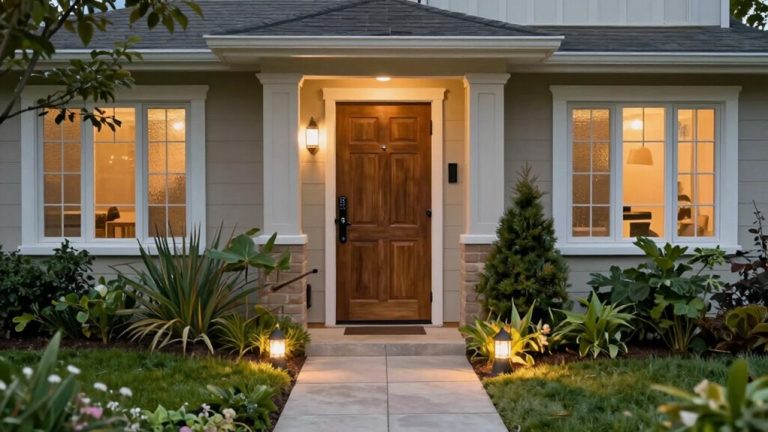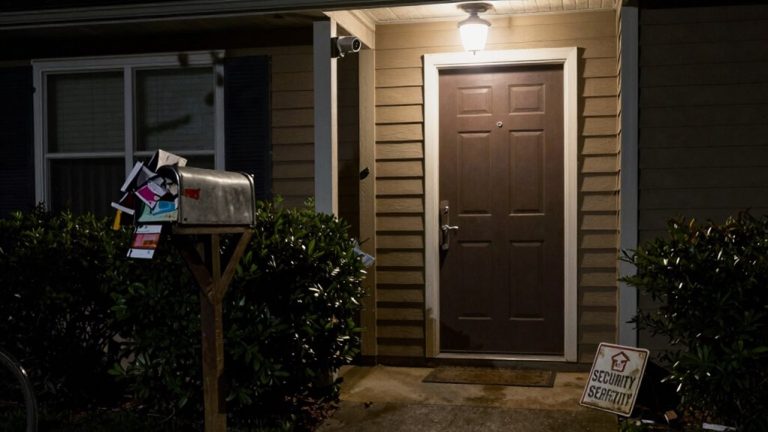
Your home security system is like a shield, protecting you from unseen threats. But just as a shield can become worn or damaged, your security setup can become outdated or ineffective over time. It’s essential to regularly assess your defenses to stay one step ahead of potential risks. How often should you conduct these reviews, and what specific aspects deserve your attention? Understanding these factors can greatly enhance your home’s safety.
When Should You Review Your Home Security?
When should you review your home security? You should conduct seasonal reviews, ideally every three months, to guarantee your system remains effective. Changes in the environment, like shifting weather patterns, can affect your home’s vulnerability. Additionally, consider family changes—whether you’re welcoming a new member, like a child or a pet, or if someone’s moving out. These changes can impact your security needs.
For instance, if your teenager is now home alone, it might be time to update codes or access permissions. During these reviews, assess your equipment: cameras, alarms, and locks should function at their best. Evaluating your neighborhood’s safety is crucial; crime rates can fluctuate, necessitating adjustments to your security strategy. Incorporating professional monitoring during these assessments can enhance your overall safety and ensure prompt response in emergencies. Moreover, regular evaluations help identify any enhanced security features that could further protect your home.
Essential Aspects to Check in Your Home Security Review
While you might think your home security system is working just fine, regularly checking key aspects is essential to guarantee its effectiveness.
Regularly assessing your home security system is crucial to ensure it remains effective and reliable.
Over time, security vulnerabilities can emerge, making routine assessments critical for maintaining your peace of mind.
Here are three important aspects to review:
- Alarm Systems: Confirm your alarms are functioning properly. Test each one and check for any signs of wear or malfunction.
- Cameras: Inspect your surveillance cameras for clarity and coverage. Make sure they’re recording correctly and that their angles capture all vulnerable entry points.
- Locks and Entry Points: Evaluate all doors and windows. Replace any weak locks and consider upgrading to smart locks for added convenience and security. Additionally, ensure that your system integrates with home security apps to enable remote monitoring and real-time alerts.
How Technology Affects Security Needs
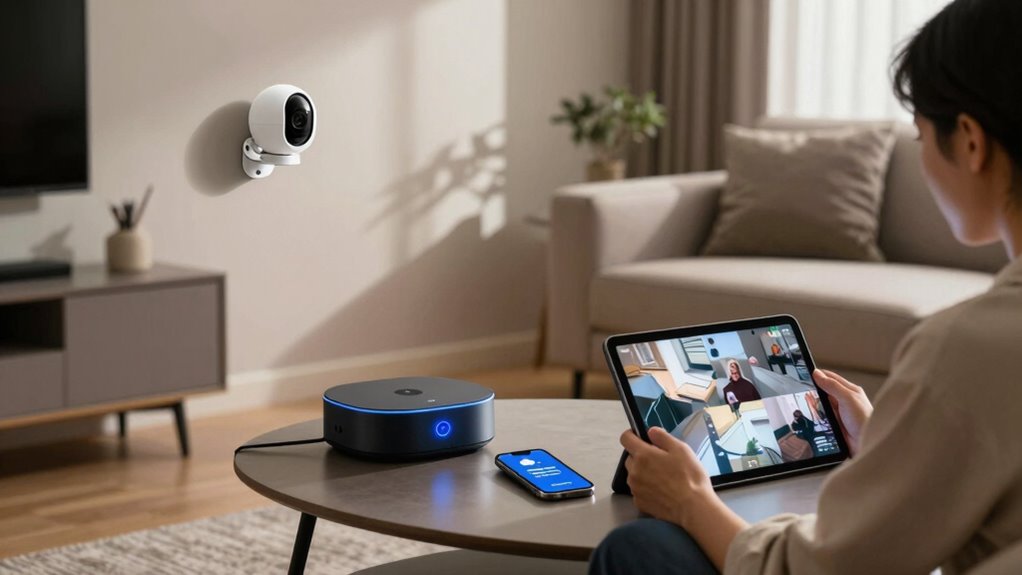
As technology rapidly evolves, it markedly shapes your home security needs, requiring you to adapt your strategies accordingly.
The rise of smart home integration means that your security system can now interact with devices like cameras, alarms, and smart locks. This interconnectedness enhances convenience but also raises new risks. You must guarantee that your Wi-Fi network is secure and that all devices have robust cybersecurity measures in place. Regularly updating passwords and firmware is essential to protect against vulnerabilities. Additionally, implementing two-factor authentication can significantly reduce the risk of unauthorized access.
Moreover, you should consider how new technologies, such as artificial intelligence and machine learning, can enhance your security systems. These innovations can provide real-time alerts and predictive analytics, allowing you to stay one step ahead of potential threats. Additionally, the integration of smart devices allows for swift responses to suspicious activity, further strengthening your home’s protection.
Ultimately, staying informed about technological advancements empowers you to make informed decisions about your home security, guaranteeing you enjoy the freedom and peace of mind you deserve.
Signs You Need to Upgrade Your Home Security System
How can you tell if it’s time to upgrade your home security system? To guarantee your peace of mind, keep an eye out for these signs:
- Increased neighborhood crime: If there’s a spike in local crime, it’s a clear signal to reassess your security measures.
- Outdated technology: Older systems may lack essential features like remote monitoring or smart integration, leaving you vulnerable. Upgrading to enhanced security features can significantly bolster your defense against potential threats.
- Recent vulnerability assessment: If you’ve conducted an assessment and identified weak points, don’t ignore them. Upgrading your system can help fortify those gaps.
In a world where freedom is paramount, you shouldn’t feel unsafe in your own home. Additionally, consider the benefits of professional monitoring to ensure immediate response to any security breaches. An upgrade can enhance your security, making you feel more secure and empowered. Don’t wait until it’s too late; take proactive steps to protect your sanctuary.
Best Technologies for Home Security Solutions
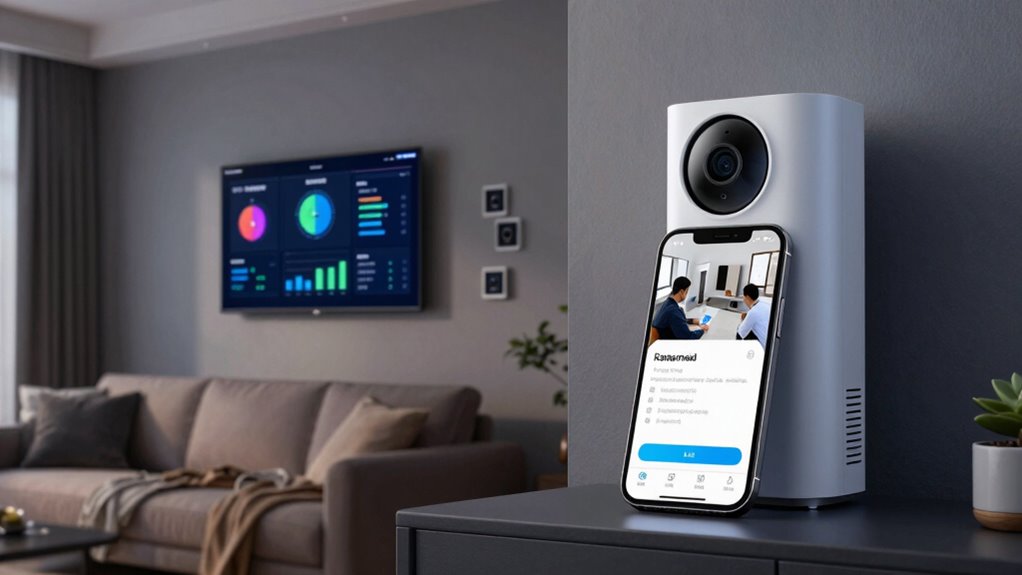
When you’re considering the best technologies for home security solutions, it’s essential to focus on systems that offer both advanced features and user-friendly interfaces.
Smart locks are a top choice, giving you keyless entry and the ability to monitor access remotely. They enhance convenience while ensuring you maintain control over who enters your home.
Smart locks offer keyless entry and remote access monitoring, enhancing convenience and control over home access.
Surveillance cameras are another vital component. Look for high-definition models with night vision and motion detection. These features not only help you keep an eye on your property but also provide peace of mind with real-time alerts sent to your smartphone. Additionally, consider smart locks that offer user activity logs, as they provide a clear overview of who has access to your home at all times.
Integrating these technologies through a centralized smart home system can streamline your security measures, allowing you to manage everything from one app.
Frequently Asked Questions
How Can I Assess My Neighborhood’s Crime Rate?
You can assess your neighborhood’s crime rate by checking local crime statistics online, attending neighborhood watch meetings, and talking to neighbors. These resources provide valuable insights into safety trends and help you stay informed.
What Are Common Signs of a Compromised Security System?
When your security system feels like a flickering candle, it’s time to act. Watch for frequent security alerts, unusual system malfunctions, or unexpected disconnections; these are signs your protection may be compromised. Stay vigilant.
How Do I Choose the Right Home Security Provider?
To choose the right home security provider, start with service comparisons and read provider reviews. Look for reliability, customer support, and features that match your needs, ensuring you feel secure and empowered in your choice.
What Should I Do After a Security Breach?
After a security breach, 60% of victims report feeling unsafe. Start your breach response by documenting everything, notifying local authorities, and contacting your insurance provider for claims. Stay vigilant and enhance your security measures moving forward.
Are DIY Security Systems Effective Compared to Professional Ones?
DIY security systems can be effective for basic needs, but professional systems offer advantages like expert monitoring and advanced technology. Weigh your requirements against your budget to decide which option best suits your freedom and peace of mind.