
In emergencies, having ICE (In Case of Emergency) contacts can make a life-or-death difference. These trusted individuals can provide critical medical information and support when you can’t. First responders rely on this quick access to details about allergies and chronic conditions to make informed decisions. But how do you set up these contacts effectively? Understanding the importance of ICE contacts is just the beginning. Let’s explore how to guarantee you’re prepared.
Key Takeaways
- ICE contacts enable swift communication with trusted individuals during emergencies, ensuring timely support and decision-making.
- They provide vital medical information to first responders, which can significantly impact treatment and care.
- Establishing ICE contacts empowers individuals to take control of their emergency situations and facilitates organized responses.
- Preparation with ICE contacts ensures that the right people are notified promptly when emergencies arise, potentially saving lives.
- Keeping ICE contacts updated and informing them of their role minimizes confusion and improves the effectiveness of emergency responses.
Why Are ICE Contacts Essential in Emergencies?
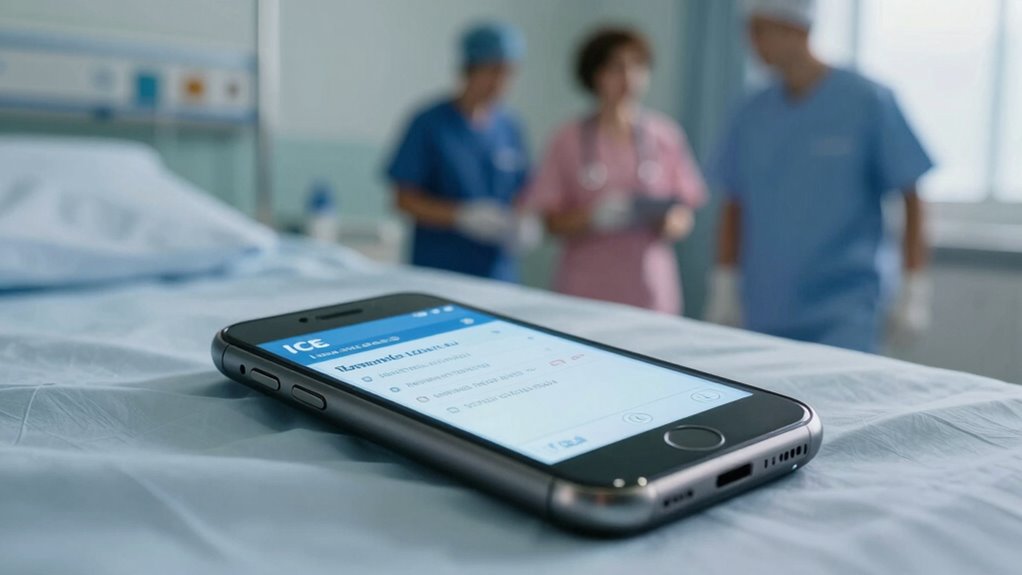
When an emergency strikes, having ICE (In Case of Emergency) contacts can make all the difference in getting timely help.
These contacts guarantee that first responders can quickly reach your loved ones, facilitating the importance of communication during critical moments. When you’re incapacitated or unable to speak, your ICE contacts can provide essential medical information and personal preferences that speed up the care process.
ICE contacts ensure first responders can swiftly connect with your loved ones, providing crucial medical information during critical moments.
Regarding emergency preparedness, having designated contacts is a proactive step toward safeguarding your well-being and that of others. It empowers you to take control of your situation, guaranteeing that the right people are notified when it matters most.
Don’t underestimate the value of these connections—preparation can indeed save lives.
Setting Up ICE Contacts on Your Phone Made Easy
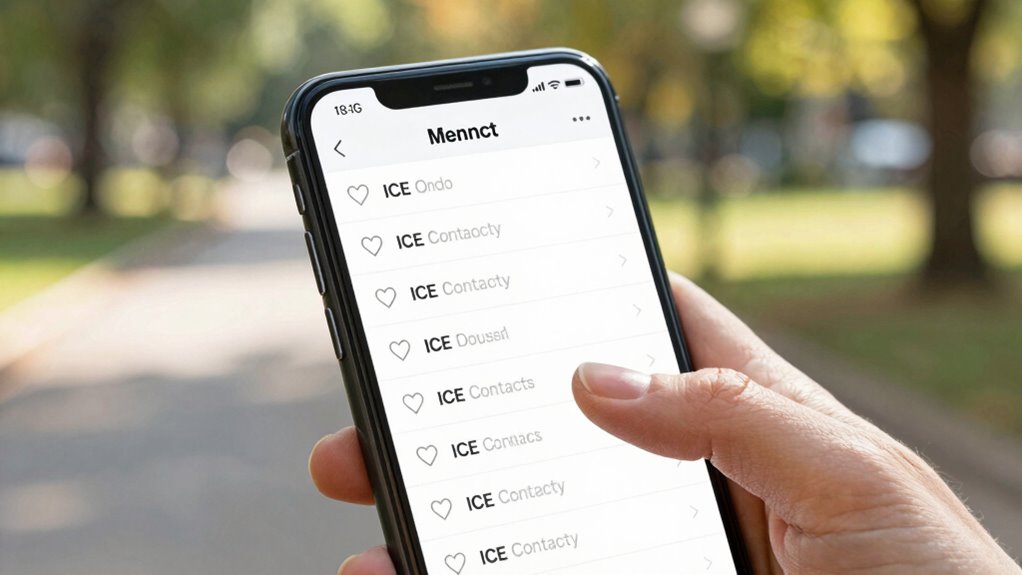
Having ICE contacts is just the first step; setting them up on your phone is straightforward and can be done in minutes.
By adjusting your phone settings, you can guarantee that your emergency contacts are easily accessible in any situation. Here’s how to get started:
- Open your contacts app and add “ICE” before the names of your emergency contacts.
- Use emergency apps that allow you to store crucial information and share it with first responders.
- Make certain your ICE contacts are saved in a way that they can be reached even when your phone is locked.
Taking these simple steps can empower you and provide peace of mind, knowing you’re ready for anything.
Don’t wait—set up your ICE contacts today!
How to Choose Trusted Individuals for Your ICE Contacts
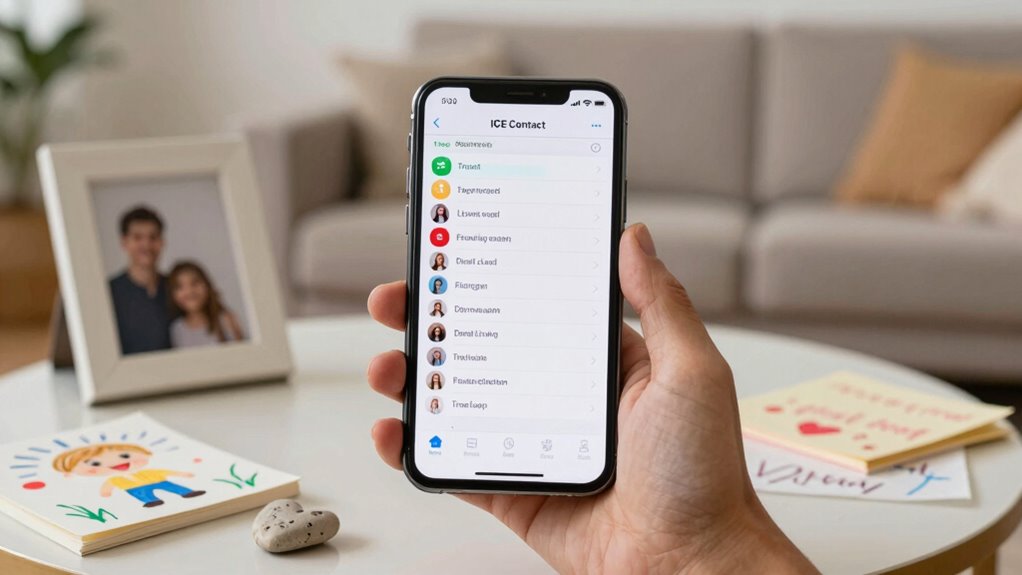
Choosing trusted individuals for your ICE contacts is essential, as these are the people who’ll step in during emergencies.
Start by considering those who’ve reliable personal relationships with you—friends, family, or even colleagues who understand your needs and preferences. Look for individuals who display personal reliability, as they’ll need to act quickly and effectively on your behalf.
It’s important that they can handle stressful situations calmly and communicate well. Think about people who know your medical history, preferences, and any specific instructions you may have.
Finally, make certain these individuals are aware they’ve been designated as your ICE contacts, so they’re prepared to assist you when needed. Your safety depends on their readiness.
Key Information for Your ICE Contacts
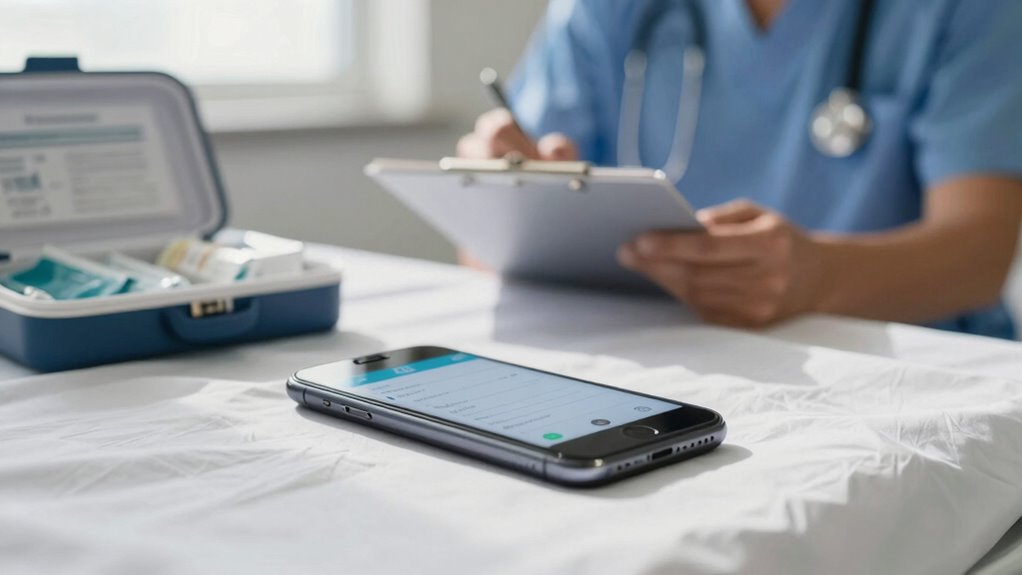
To guarantee your ICE contacts can assist you effectively, it’s essential to provide them with key information about your health and preferences.
Ensuring your ICE contacts have essential health information is vital for effective assistance in emergencies.
This emergency information can make a critical difference in life-or-death situations.
Here’s what you should share:
- Medical conditions: Inform them about any chronic illnesses or allergies that could affect your treatment.
- Medications: List any prescriptions you’re taking, so they can communicate this to medical personnel.
- Contact details: Confirm they’ve your primary phone number and any other relevant contacts for additional support.
What Mistakes Should You Avoid When Setting Up ICE Contacts?
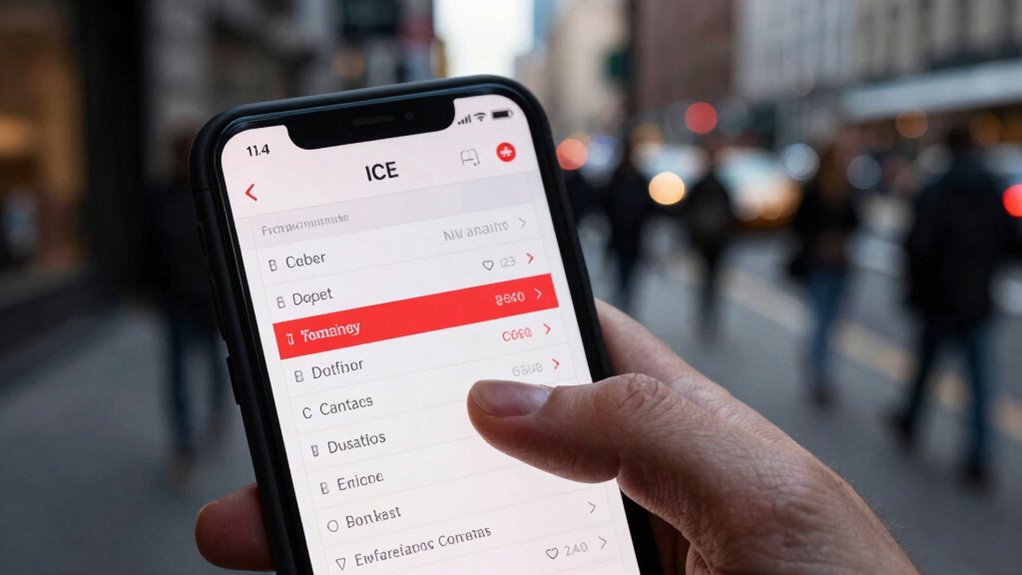
Setting up your ICE contacts is an essential step, but it’s easy to make mistakes that can undermine their effectiveness. One common misconception is that just having a name and number is enough. You need to guarantee your contacts are trustworthy and informed about your medical history and preferences.
Neglecting updates is another vital error. Life changes—relationships, health conditions, and contact information—all require regular review. Failing to keep your ICE contacts current can lead to confusion in an emergency.
Also, avoid putting down too many contacts; it can dilute the response. Prioritize key individuals who can act quickly and efficiently. By steering clear of these pitfalls, you’ll greatly enhance the reliability of your ICE contacts when it matters most.
The Impact of ICE Contacts on Emergency Outcomes
When emergencies strike, having accessible and well-informed ICE (In Case of Emergency) contacts can greatly influence the outcome of your situation.
These contacts play a crucial role in impact assessment and emergency preparedness, ensuring that the right people are alerted quickly.
- You could receive immediate medical attention.
- Your loved ones can provide essential information to responders.
- It gives your family peace of mind knowing you’re taken care of.
How Do ICE Contacts Help First Responders Act Quickly?
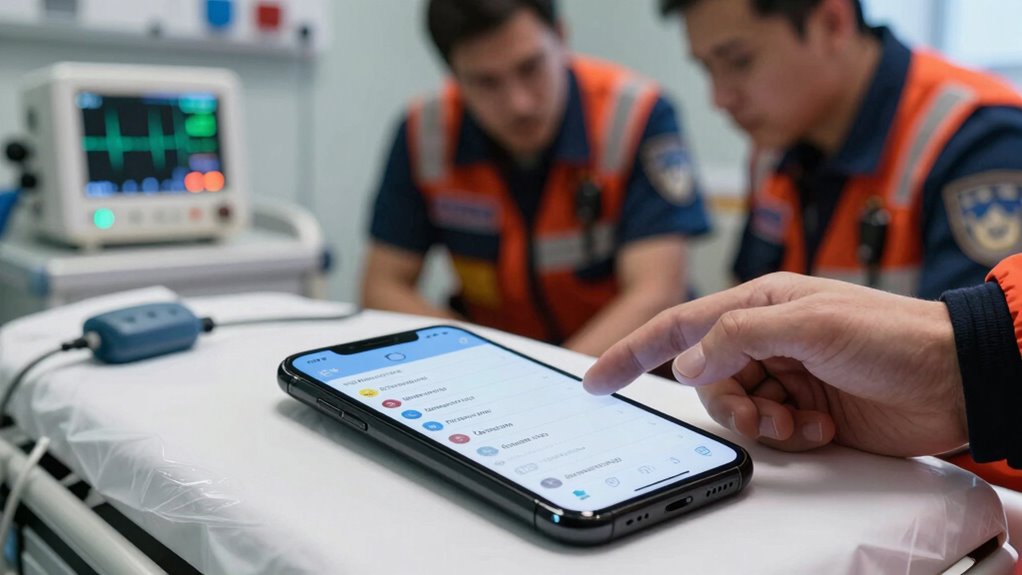
ICE contacts serve as essential lifelines for first responders during emergencies, enabling them to act swiftly and effectively. When you include ICE contacts on your phone, first responders can quickly access important information to enhance emergency response efficiency. They can contact your loved ones for medical history or emotional support, streamlining first responder procedures.
| Benefit | Description | Impact |
|---|---|---|
| Quick Communication | Connects responders with family/friends | Saves time and improves outcomes |
| Medical Info | Provides critical health details | Aids in treatment decisions |
| Emotional Support | Offers reassurance to the injured | Reduces panic and anxiety |
Frequently Asked Questions
Can I Have Multiple ICE Contacts on My Phone?
Yes, you can have multiple ICE contacts on your phone. Organize them by adding multiple entries, labeling each clearly for easy access. This guarantees that responders can quickly reach your chosen contacts when needed.
How Do I Update My ICE Contacts Regularly?
You should update your ICE contacts regularly—think daily if possible! Use various contact methods like texts or calls to guarantee accuracy. Keeping information fresh helps you stay prepared for any emergency that might arise.
Are ICE Contacts Only for Medical Emergencies?
ICE contacts aren’t just for medical emergencies; they’re essential for personal safety in any crisis. Including them in your emergency planning guarantees you’ve got support when you need it most, regardless of the situation.
If your ICE contacts are unavailable, consider creative alternatives. Rely on alternative communication methods and follow emergency protocols. Always guarantee others know your health details, so help can arrive swiftly, even without your primary contacts.
Can I Use ICE Contacts for Travel Emergencies?
Absolutely, you can use ICE contacts for travel emergencies. They’re essential for travel safety and emergency planning, ensuring that someone can quickly access your medical information or contact your loved ones if needed.