
When a couple posted their vacation plans on social media, they returned home to find their house ransacked. This isn’t an isolated incident; oversharing can expose your life to potential burglars who monitor your online activities. Understanding how your posts can lead to security breaches is essential. What seemingly innocent updates could be putting you at risk, and how can you protect yourself?
Why Oversharing on Social Media Can Put You at Risk
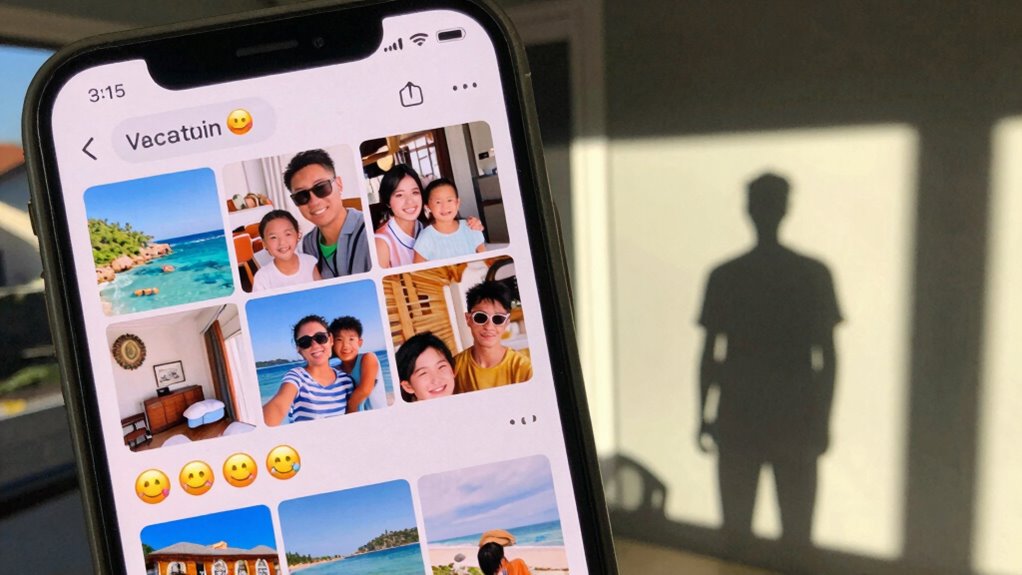
While sharing your thoughts and experiences online can feel liberating, it often exposes you to significant risks. Oversharing on social media can jeopardize your social media privacy and personal safety.
When you disclose too much information—like your location, daily routines, or personal details—you inadvertently create opportunities for unwanted attention or malicious intent. This can attract cyberbullies, stalkers, or even identity thieves, who exploit your openness.
Additionally, oversharing can lead to misunderstandings, damaging relationships or your professional reputation. To maintain your freedom while enjoying social media, be mindful of what you post.
Oversharing can harm relationships and reputations; stay mindful of your posts to enjoy social media safely.
Limit the details you share and adjust your privacy settings to safeguard your personal information. Protecting yourself online is essential for a fulfilling, secure experience.
How Your Posts May Lead to Burglary Risks
When you announce your vacation plans online, you’re fundamentally broadcasting that your home will be empty.
Geotagging your location while you’re out can alert potential burglars to your absence.
Both actions greatly increase the risk of a break-in, making it vital to think before you post.
Vacation Announcements Online
How often do you think about the implications of sharing your vacation plans online?
While the vacation excitement is tempting to share, it’s essential to reflect on the potential risks. Your social media etiquette can inadvertently invite trouble if you’re not careful.
Here are some things to keep in mind:
- Burglars can easily monitor your posts.
- Announcing travel dates creates a window of opportunity.
- Sharing real-time updates may signal your absence.
- Posting photos while away can attract unwanted attention.
- Friends may unintentionally share your plans further.
- Remember that scammers often pose as legitimate service providers, which can escalate the risk of burglary when combined with oversharing. Additionally, homes without security systems are at a higher risk of being targeted by intruders, making it crucial to be cautious about what you share online.
Geotagging Your Location
Sharing your vacation plans online can be risky, but adding geotags to your posts amplifies that danger. By revealing your exact location, you’re unintentionally inviting burglars to target your home while you’re away. The geotagging consequences can be severe, impacting your location privacy and personal safety. Additionally, homes without security systems are at higher risk of being robbed, making it crucial to consider security measures to protect your home. Installing affordable surveillance systems can significantly enhance your home’s security while you’re away.
| Geotagging Risks | Impact | Preventive Measures |
|---|---|---|
| Increased visibility | Higher burglary risk | Disable geotagging |
| Privacy invasion | Personal data leaks | Limit audience on posts |
| Real-time tracking | Safety threats | Post after returning home |
Be aware that every geotagged post can expose you to unwanted risks. Protect your freedom by being mindful of what you share online.
Top Oversharing Mistakes That Risk Your Security
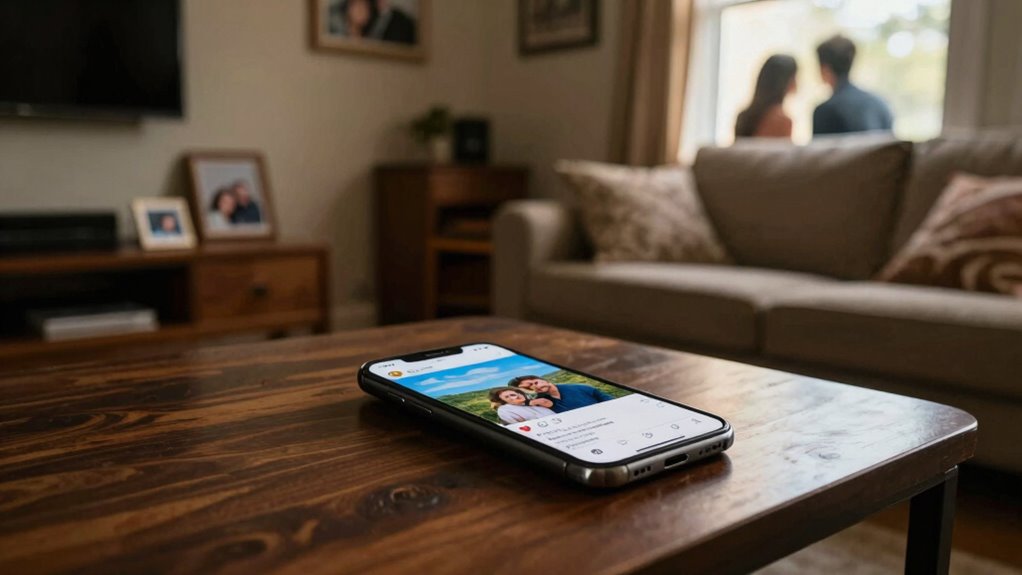
When you share location check-ins or announce your vacation plans online, you might be unintentionally inviting trouble.
These oversharing mistakes can expose you to security risks, making your home an easy target for burglars.
Additionally, sharing personal information can compromise your privacy and safety, so it’s essential to be mindful of what you post.
Location Check-Ins
While it might seem harmless to check in at your favorite café or gym, posting your location on social media can expose you to significant security risks.
Practicing good check-in etiquette is essential for maintaining your location privacy. Here are some things to reflect on before you share your whereabouts:
- Timing: Post after leaving, not while you’re still there.
- Audience: Adjust your privacy settings to limit who can see your check-ins.
- Frequency: Avoid frequent check-ins to prevent giving away your routine.
- Details: Don’t provide additional information about your home or travel plans.
- Awareness: Be mindful of potential stalkers or burglars who could exploit your posts.
Stay informed and protect your freedom by being cautious with location sharing.
Vacation Announcements
Announcing your vacation plans on social media can seem like a fun way to share your excitement, but it also opens the door to potential security risks. While you might be enthusiastic to post about your travel memories, it’s essential to think about who might be watching.
| Risk Factor | Impact | Recommendation |
|---|---|---|
| Public Announcements | Temptation for thieves | Delay posts until return |
| Location Tags | Easy tracking | Avoid tagging locations |
| Dates of Absence | Knowledge of vacancy | Share post-vacation |
| Family & Friends | Unintentional leaks | Limit audience exposure |
| Excessive Details | More info for thieves | Keep it vague |
Personal Information Sharing
How often do you pause to contemplate the personal information you share online? Your digital footprint can have serious implications for your security.
Maintaining personal boundaries is essential to protecting yourself. Here are some common oversharing mistakes that can jeopardize your safety:
- Posting real-time location updates
- Sharing personal phone numbers or addresses
- Discussing travel plans publicly
- Uploading identifiable images of your home
- Revealing sensitive information, like financial details
Each piece of information you share can be a puzzle piece for a potential intruder. Additionally, it is important to utilize strong passwords to protect your accounts from unauthorized access.
To safeguard your freedom and privacy, be mindful of what you disclose. Remember, your online presence should reflect your values without compromising your security.
How Criminals Exploit Your Social Media Information
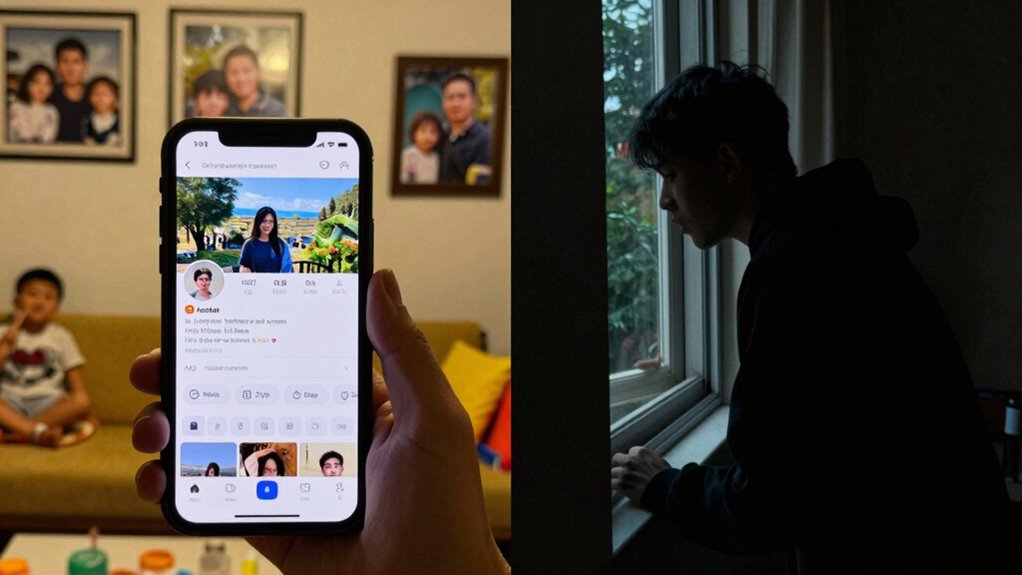
Many users underestimate the extent to which criminals can exploit personal information shared on social media. When you post about vacations, new purchases, or even your daily routines, you provide potential burglars with a roadmap to your life.
Criminal behavior thrives on the details you unwittingly share, such as your location or the times you’re away from home. By analyzing your posts, they can determine when to strike, often targeting homes that appear unoccupied. This is particularly concerning for homeowners who lack professional monitoring, as they may not receive timely alerts during a break-in.
Even seemingly harmless information, like a pet’s name or your favorite hangout spot, can help them bypass security measures. In fact, homes without security systems are at higher risk of burglary compared to those that have them. Protecting your privacy online isn’t just about avoiding embarrassment; it’s about safeguarding your home and your freedom from intrusions that can disrupt your life.
You often share personal details online to seek validation from others, driven by a deep-seated need for approval.
Social comparison theory suggests you measure your worth against the curated lives of peers, pushing you to overshare in hopes of keeping up.
Additionally, the fear of missing out can compel you to post more, aiming to stay connected and relevant in a fast-paced digital world.
Need For Validation
As social media platforms thrive on engagement, the need for validation often drives users to overshare personal experiences and thoughts. This quest for online validation can provide a temporary self-esteem boost but can lead to unintended consequences.
Here are some factors contributing to this behavior:
- Desire for Connection: You seek affirmation from others.
- Fear of Missing Out (FOMO): You want to feel included in social circles.
- Instant Gratification: Likes and comments offer immediate feedback.
- Social Norms: Oversharing has become a common practice.
- Identity Exploration: You use posts to define and express yourself.
Understanding these motivations can empower you to share more mindfully and protect your privacy while still enjoying the freedom of expression.
Social Comparison Theory
While scrolling through social media feeds, it’s easy to fall into the trap of comparing yourself to others, a phenomenon rooted in Social Comparison Theory. You might seek social validation, measuring your worth against curated online identities that often highlight only the best moments.
This constant comparison can skew your self-perception, leading you to overshare in an attempt to keep up or gain approval. You may feel pressured to present a life that aligns with those idealized versions, risking authenticity for likes and comments.
Ultimately, this cycle not only affects your mental well-being but can also expose you to real-world risks. Recognizing the impact of Social Comparison Theory helps you reclaim your narrative and prioritize genuine connections over superficial validation.
Fear Of Missing Out
The pressure to maintain an online presence is often fueled by the Fear of Missing Out (FOMO), a psychological phenomenon that drives individuals to overshare in hopes of feeling included.
Understanding FOMO triggers can help you navigate your social media influence more mindfully. Here are some common influences that spark FOMO:
- Seeing friends’ vacation photos
- Noticing trending events or parties
- Observing others’ achievements
- Engaging with exclusive offers or experiences
- Following viral challenges or trends
These experiences can create an urge to share your own moments, even if it compromises your privacy.
Recognizing FOMO’s impact allows you to make more intentional choices about what you share, empowering you to reclaim your freedom in the digital landscape.
Identifying Oversharing: 5 Warning Signs You Should Know
Five clear warning signs can help you identify when social media posts cross the line into oversharing.
First, if you’re posting personal details like your home address or vacation plans, you’re inviting oversharing consequences.
Second, frequent updates about your daily routine can signal a lack of privacy awareness.
Third, sharing emotional struggles can attract unwanted attention or judgment.
Fourth, if you’re tagging friends without their consent, it raises privacy concerns for everyone involved.
Finally, posting excessively during significant life events may indicate you’re seeking validation rather than sharing meaningful experiences.
Recognizing these signs can empower you to maintain your privacy and protect yourself from potential risks associated with oversharing.
Stay informed, stay safe.
Setting Privacy Settings: Safeguard Your Posts
Recognizing the signs of oversharing is just the first step; safeguarding your posts with proper privacy settings is crucial for maintaining control over your online presence.
Boost your privacy awareness with these strategies:
- Review your default privacy settings: Confirm they’re set to your comfort level.
- Limit who can see your posts: Choose custom audiences for each post.
- Audit your friend list: Remove anyone you don’t trust or recognize.
- Be cautious with location tagging: Disable location services to prevent real-time tracking.
- Regularly update your settings: Stay informed about platform changes that may affect your post control.
While sharing on social media can foster connections and community, it’s essential to do so mindfully to protect your personal information.
Begin by considering social media etiquette; avoid posting sensitive details like your location, travel plans, or financial information. It’s wise to limit what you share to maintain online privacy.
Always review your privacy settings and customize them to limit your audience. If you’re unsure about a post, ask yourself how you’d feel if it were public.
Engaging with friends is great, but remember that once something’s online, it’s challenging to erase. Prioritize discretion and think critically before hitting “share.”
What to Do After Oversharing Online
Even with the best intentions, you might find yourself in a situation where you’ve overshared on social media.
Don’t panic; there are steps to mitigate your digital footprint and enhance your privacy awareness:
- Review your posts: Identify what needs to be removed.
- Adjust privacy settings: Tighten your account’s privacy to limit who sees your information.
- Delete sensitive content: Remove or edit posts that could compromise your safety. Additionally, familiarize yourself with cybersecurity resources offered by CISA.gov, which can help you better understand online threats.
- Educate yourself: Stay informed about online privacy risks and best practices.
- Monitor your accounts: Regularly check for unauthorized activity or breaches.
Taking these actions can help protect your personal information and restore your peace of mind. Additionally, consider participating in cybersecurity education programs to further enhance your understanding of online safety.
Real-Life Burglary Cases Linked to Oversharing
Oversharing on social media can have dire consequences, including real-life burglaries. When you post about your vacation plans or share your location in real-time, you’re inadvertently broadcasting your absence from home.
Criminals monitor these platforms, using your posts as a roadmap to target your property.
To protect yourself, it’s essential to implement burglary prevention tips. Consider adjusting your privacy settings and limit the details you share about your whereabouts.
Social media awareness is key; think about who can see your posts and how they might be interpreted.
Ultimately, being mindful of your online presence can safeguard your home and belongings, allowing you to enjoy your freedom without fear of intrusion.
Stay vigilant, and don’t compromise your safety for likes.
Frequently Asked Questions
Can I Recover From a Burglary Caused by Oversharing?
Yes, you can recover from a burglary caused by oversharing. File insurance claims promptly to cover losses, while also focusing on emotional recovery. Seek support from friends or professionals to regain your sense of security.
How Can I Educate My Children About Online Privacy?
To educate your children about online privacy, contrast open sharing with cautious discretion. Discuss online safety, emphasizing privacy settings. Encourage them to think critically about what they share and who can access their information.
What Are the Legal Consequences of Oversharing Sensitive Information?
Oversharing sensitive information can lead to serious legal ramifications, including fines or lawsuits. You should understand privacy laws governing personal data to protect yourself and others from potential legal consequences that arise from careless sharing.
Are There Specific Social Media Platforms Riskier Than Others?
Instagram’s privacy settings often leave users vulnerable, while Facebook oversharing can expose sensitive information to a wider audience. Evaluating privacy controls on both platforms is essential to minimize risks associated with your online presence.
How Do I Report Suspicious Activity Related to Oversharing?
To report suspicious behavior, use the reporting methods provided by the platform. Document the activity, including screenshots if possible, and submit your findings directly to the platform’s support team to guarantee prompt action.