
When hosting short-term rentals, ensuring home security is non-negotiable. You need to implement robust measures to protect your property and guests alike. From smart locks to surveillance systems, understanding the best practices can make a significant difference. Additionally, knowing how to effectively screen guests and establish house rules is essential. The balance between hospitality and security can be delicate—let’s explore how to achieve it without compromise.
Essential Security Measures for Short-Term Rentals
When you host short-term rentals, implementing essential security measures is crucial to protect your property and guarantee a safe experience for your guests.
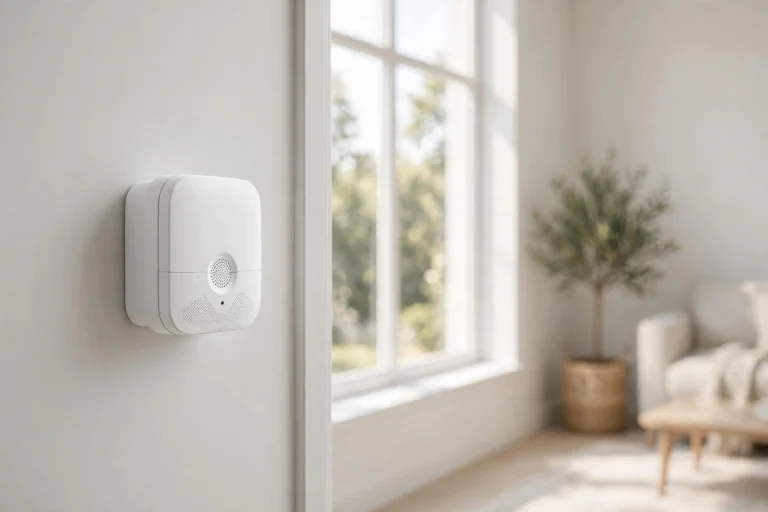
Start with fire safety; install smoke detectors and provide fire extinguishers in accessible locations. Confirm that your property complies with local fire codes, as guests need to know they’re in a secure environment. Working smoke alarms significantly increase survival chances in home fires, making them a vital addition. Additionally, ensure that you conduct regular maintenance checks on smoke detectors to confirm their functionality.
Next, maintain a list of emergency contacts, including local authorities, hospitals, and a nearby trusted neighbor. This list should be easily visible within your rental.
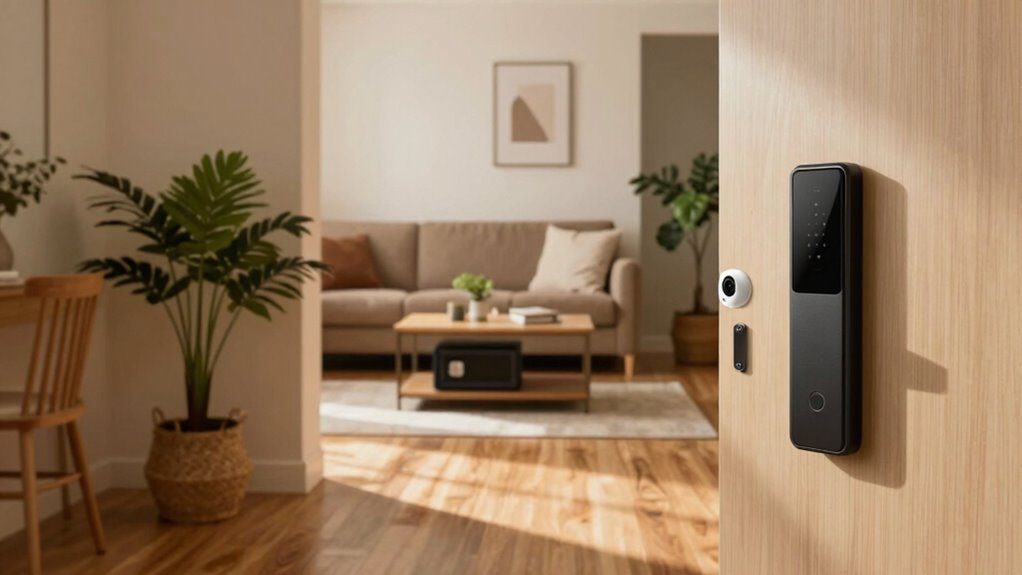
Additionally, consider a smart lock system for controlled access, allowing you to monitor entry and exit.
How to Screen Guests Effectively?
To guarantee a safe and secure short-term rental experience, you need to verify guest identities and utilize screening services.
These methods not only help filter out potential issues but also provide peace of mind for both you and your property.
Implementing effective screening strategies is essential for maintaining a secure hosting environment.
Verify Guest Identities
How can you effectively verify guest identities to guarantee a safe and secure short-term rental experience?
Start by requiring government-issued identification during the booking process. This simple step aids in identity verification and helps confirm that the person booking is the one actually staying.
Next, consider asking for additional information, such as social media profiles or personal references, to gain insight into the guest background. Trustworthy guests are often willing to share this information.
Finally, communicate directly with your guests via phone or video call before their stay. This not only builds rapport but also allows you to gauge their authenticity.
Use Screening Services
While verifying guest identities is an essential step in ensuring a secure short-term rental experience, utilizing screening services can further enhance your ability to assess potential guests.
These screening tools provide extensive insights into a guest’s background, helping you make informed decisions. By leveraging databases that aggregate public records, you can uncover important details such as criminal history or past rental behavior. Additionally, implementing wireless alarm systems can help monitor your property during guest stays and provide peace of mind. This information not only protects your property but also fosters a safer environment for you and your neighbors. Moreover, a thorough screening process can deter potential troublemakers, ensuring that you attract responsible guests who respect your space. Installing wireless security systems can also bolster your home security measures without damaging your property.
Prioritizing guest background checks through these services ultimately empowers you to maintain both security and freedom in your rental operation.
Best Home Security Technology for Short-Term Rentals
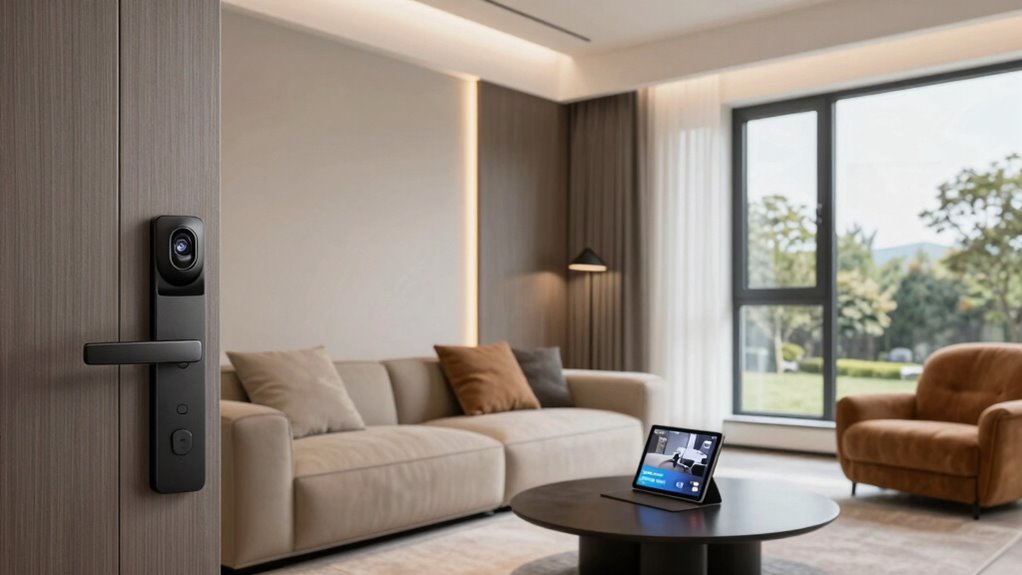
When managing short-term rentals, investing in smart locks and surveillance cameras can greatly enhance your property’s security. Smart locks offer convenient guest access while allowing you to monitor and control entry remotely. Additionally, smart locks provide increased convenience with remote locking/unlocking and real-time notifications of door activity. Meanwhile, surveillance cameras provide peace of mind by ensuring real-time visibility and recording activity around your rental. Additionally, integrating systems like Google Home compatible security systems can further streamline operations and enhance safety through voice control and alerts.
Smart Locks Benefits
Smart locks offer a modern solution to the security challenges faced by short-term rental hosts, enhancing both convenience and safety. With features such as remote access, you can manage entry for guests from anywhere, ensuring a seamless check-in process. Additionally, they provide real-time monitoring to help you keep track of property access. Smart locks utilize advanced encryption methods for added security, ensuring that only authorized users can gain entry.
| Smart Lock Features | Benefits |
|---|---|
| Remote Access | Control access from your smartphone |
| Temporary Codes | Provide unique codes for each guest |
| Activity Logs | Monitor who enters and exits your property |
| Keyless Entry | Eliminate the risk of lost keys |
| Integration with Smart Home | Enhance overall security and convenience |
Surveillance Cameras Usage
Incorporating surveillance cameras into your short-term rental security strategy can greatly enhance safety and peace of mind for both you and your guests.
Effective camera placement is vital; position cameras at entrances, driveways, and common areas while avoiding private spaces to address privacy concerns. Clear communication about camera locations in your rental agreement fosters transparency and trust. High-definition video resolution is essential for clear monitoring, ensuring that any activities are captured with clarity.
Guests appreciate knowing they’re in a secure environment, which can lead to positive reviews and repeat bookings. It’s essential to comply with local laws regarding surveillance, ensuring you maintain a balance between security and privacy. Additionally, ensuring proper camera placement can help eliminate blind spots and enhance overall security.
With the right approach, surveillance cameras can be a valuable asset, protecting your property while respecting your guests’ freedom and comfort.
How to Spot Security Weaknesses in Your Home?
How can you effectively identify security weaknesses in your home? Start by analyzing your home layout. Walk through each room and note entry points, such as doors and windows. Check if they’re sturdy and equipped with quality locks. Poorly secured entry points can invite trouble, especially in a rental setting.
Look for vulnerable areas like sliding glass doors, which often lack adequate security features.
Next, assess your outdoor space. Overgrown shrubs or poorly lit areas can provide cover for intruders. Don’t forget to inspect your garage and any side entrances.
Assess your outdoor space for potential hiding spots, such as overgrown shrubs and dimly lit areas, to enhance security.
Finally, consider your neighborhood’s safety—understanding local crime trends can highlight particular vulnerabilities. By systematically evaluating these aspects, you’ll pinpoint security weaknesses that need addressing.
Communicating Effectively With Guests About Safety
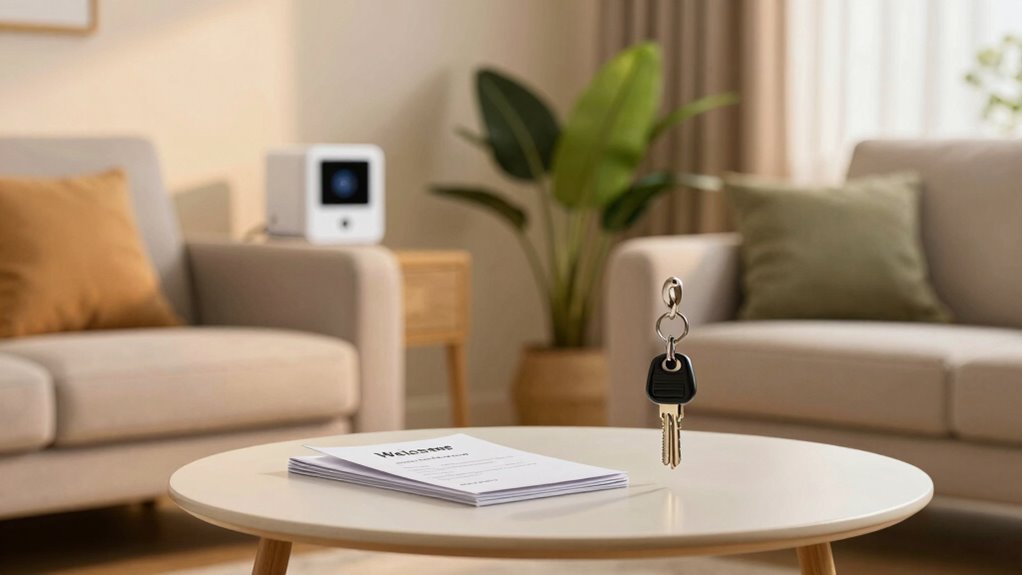
When it comes to ensuring guests feel safe in your short-term rental, what strategies can you employ to communicate your security measures effectively?
Clear guest communication is essential for setting safety expectations. Start by providing a detailed welcome message that outlines your security features.
Use the following methods to enhance this communication:
- Highlight security protocols in your listing and house manual.
- Offer a virtual or in-person tour of safety features upon arrival.
- Provide emergency contact information prominently.
- Encourage guests to ask questions about security measures.
- Share positive guest experiences that emphasize safety.
How to Update Security Measures Regularly for Short-Term Rentals
Ensuring that your short-term rental remains a safe haven for guests involves regularly updating your security measures to adapt to changing circumstances and technologies.
Start with frequent updates of your security systems, including software for smart locks or cameras. Regularly conduct security audits to identify vulnerabilities and improve your defenses.
Regularly update security systems and conduct audits to strengthen defenses and ensure guest safety.
Assess guest access points and consider installing motion-sensor lights or additional surveillance cameras as needed. Stay informed about the latest security technologies, and integrate them to enhance your property’s safety.
Additionally, encourage feedback from guests regarding their safety experiences, using this information to refine your security strategy.
Setting House Rules to Ensure Guest Compliance
Setting clear house rules is essential for maintaining order and ensuring that guests comply with the expectations you’ve established for your short-term rental.
By clearly defining acceptable guest conduct, you not only protect your property but also foster a respectful environment. Rule enforcement should be straightforward and consistent.
Consider including the following in your house rules:
- No smoking indoors
- Quiet hours from 10 PM to 8 AM
- Maximum occupancy limits
- Pet policies, if applicable
- Guidelines for trash disposal and cleanliness
These rules empower guests by setting clear boundaries, allowing for freedom while ensuring your home remains secure.
When guests understand the expectations, compliance becomes more likely, ultimately leading to a better experience for everyone involved.
Frequently Asked Questions
How Can I Ensure My Insurance Covers Short-Term Rental Scenarios?
To guarantee your insurance covers short-term rental scenarios, review your insurance policy for rental coverage. Contact your insurer to clarify terms and consider adding a rider if necessary to protect your investment during rentals.
What Should I Do if a Guest Loses Their Key?
When a guest loses their key, consider key replacement options like smart locks or spare keys. Implement guest accountability measures to guarantee responsibility, allowing you to maintain control while providing a seamless experience for everyone involved.
Are There Specific Legal Requirements for Short-Term Rentals?
Yes, you need to check local zoning regulations and obtain rental permits. These requirements vary by location, so researching your area guarantees you comply, allowing you to enjoy the benefits of hosting without legal complications.
How Can I Keep My Personal Belongings Secure During Rentals?
To keep your personal belongings secure during rentals, use secure storage solutions and create a detailed personal inventory. This way, you’ll protect your valuables while providing guests a comfortable experience without compromising your peace of mind.
What Are the Best Practices for Emergency Communication With Guests?
Establish clear emergency contact protocols and provide concise guest instructions. Make certain guests know how to reach you or local authorities quickly. Regularly review and update these guidelines to maintain effective communication during emergencies.