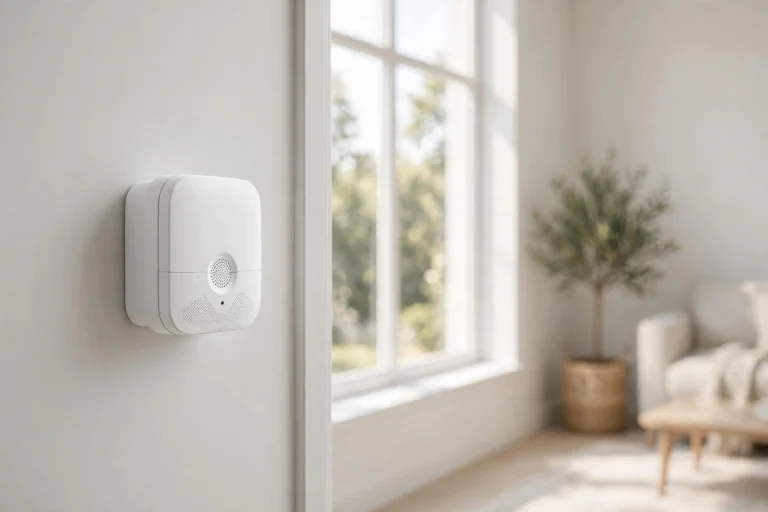

When it comes to home security, door frames often pose significant vulnerabilities during forced entry. You might not realize that weak materials, poor designs, and lack of reinforcements contribute to their failure. Common issues like misalignment and insufficient anchoring make these frames easy targets for intruders. Understanding these weaknesses is essential if you want to enhance your home’s defenses. So, what can you do to fortify your door frames against potential threats?
What Makes Door Frames Weak Against Break-Ins?
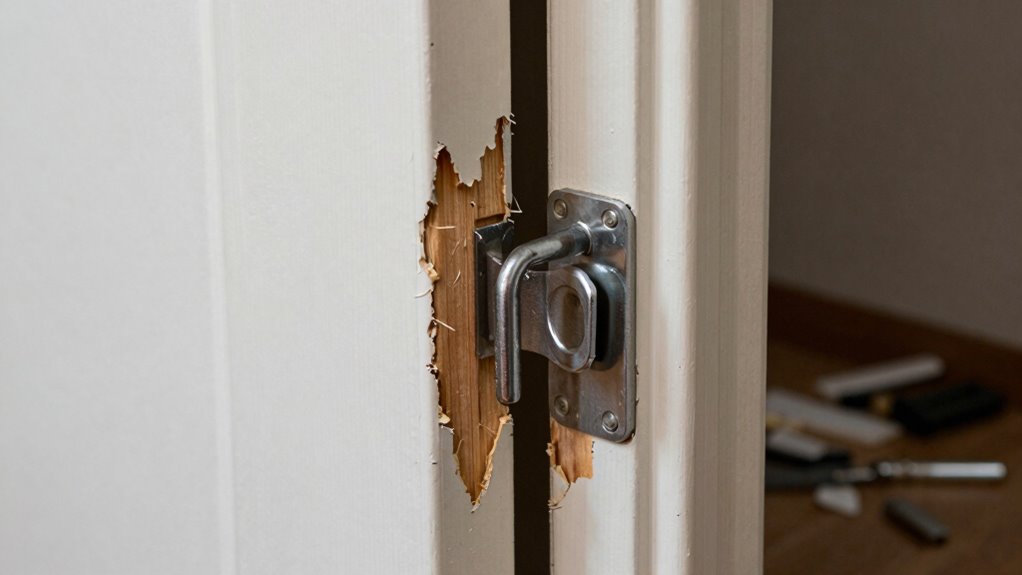
While you might think a solid door provides adequate protection, the weakness often lies in the door frame itself.
Door frame construction plays an essential role in security. Many frames utilize soft woods or lightweight materials that can easily buckle under force. Common vulnerabilities include inadequate anchoring to the wall and lack of reinforcement around hinges and locks. Additionally, wireless security systems can enhance the overall security setup, allowing for real-time monitoring of potential threats.
A poorly constructed frame can compromise even the strongest door, allowing intruders to exploit weak points. Furthermore, frames often lack a consistent thickness, which can create leverage points for forced entry. To enhance security, consider upgrading to frames made from durable materials and ensuring proper installation techniques. Remember, a door is only as strong as the frame that supports it.
Furthermore, investing in professional monitoring services can provide an added layer of security, ensuring prompt response during a break-in.
How Material Choices Affect Door Frame Security
Choosing the right materials for your door frame greatly impacts its security.
When comparing wood vs. metal, metal frames often provide superior strength and resistance against forced entry. Wood, while aesthetically pleasing, can splinter easily under stress, compromising security.
Metal frames offer greater strength and resistance to forced entry, while wood can splinter and compromise security.
Additionally, frame thickness plays an important role; thicker frames withstand impacts better than their thinner counterparts. A standard metal frame with a thickness of at least 14-gauge greatly enhances resistance to break-ins compared to a 1-inch wooden frame.
It’s essential to evaluate these material choices carefully, as they directly affect how well your door frame can deter intruders. Investing in quality materials can greatly enhance your home’s security and help maintain your freedom from unwanted breaches.
Design Flaws That Compromise Door Frame Strength
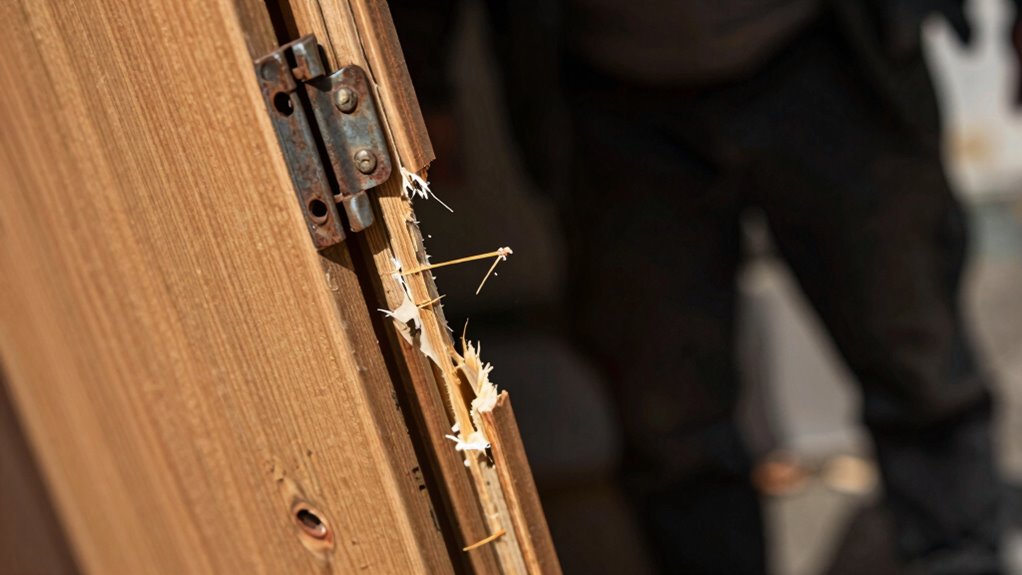
Even with the right materials, poor design can greatly weaken a door frame’s overall strength. Inadequate frame construction often results from misaligned components or insufficient anchoring, making it easier for intruders to exploit weaknesses.
Additionally, frames that don’t meet established security standards can buckle under pressure, compromising their integrity.
Using lightweight or improperly sized components can also diminish strength, leading to a lack of resistance during forced entry attempts.
Some designs overlook essential reinforcements, such as corner brackets or sturdy hinges, which are fundamental for maintaining stability.
Furthermore, neglecting to account for the door’s weight can lead to sagging, further weakening the frame.
Understanding these flaws is essential for enhancing security and ensuring your door frame performs reliably under duress.
Top Strategies to Reinforce Your Door Frames
Here are some effective security upgrades and reinforcement techniques you should consider:
- Install a deadbolt lock: A high-quality deadbolt provides superior protection against forced entry.
- Use longer screws: Replace standard screws in hinges and strike plates with longer ones to anchor them more securely.
- Add a door frame reinforcement kit: These kits strengthen the frame and inhibit kick-in attacks. Regular maintenance ensures optimal sensor performance and can help identify weaknesses in your security setup.
- Consider a security film: Applying a security film to glass can prevent shattering and create an additional barrier.
- Reinforce strike plates: Opt for heavy-duty strike plates that distribute force more evenly. Additionally, implementing a wireless alarm system can enhance your overall security strategy by providing real-time monitoring and alerts.
Frequently Asked Questions
How Can I Tell if My Door Frame Is Weak?
To assess your door frame’s strength, examine the door material and frame design. Look for cracks, warping, or loose connections. A sturdy frame should resist bending, while a weak frame shows signs of wear or damage.
What Is the Average Cost to Reinforce a Door Frame?
Reinforcing your door frame typically costs between $100 and $300, depending on materials and installation. Investing in door frame reinforcement enhances security upgrades, ensuring your home’s resilience against potential threats while maintaining your freedom and peace of mind.
Are There Specific Brands Known for Stronger Door Frames?
Certain brands like Masonite and Jeld-Wen offer strong door frame options, utilizing materials such as steel and fiberglass. These choices enhance durability, providing better resistance against forced entry while ensuring your security remains a priority.
How Often Should I Inspect My Door Frames for Damage?
You should inspect your door frames every six months. Statistically, 30% of homeowners overlook damage signs. Regular inspections help prevent costly repairs and enhance security, ensuring your home remains safe and your freedom intact.
Can Pets Affect the Security of a Door Frame?
Yes, pet behavior can compromise door security. Dogs might scratch or paw at frames, creating vulnerabilities, while cats can squeeze through small gaps. Regularly inspect and reinforce your door frames to maintain effective security against potential threats.