
Have you ever wondered how technology can transform your home security experience? AI, particularly through machine learning, plays a pivotal role in drastically reducing false alarms. By accurately distinguishing between harmless movements, like pets, and genuine threats, these systems enhance reliability. But what does this mean for your peace of mind and response time during actual break-ins? Understanding the mechanisms behind these advancements can empower you to make informed decisions about your security options.
Key Takeaways
- Machine learning enhances threat detection by analyzing real-time data, allowing systems to differentiate between pets and intruders effectively.
- AI-driven algorithms adapt to environmental changes, improving accuracy and reducing false alarms triggered by weather or noise.
- Familiar face recognition technology helps eliminate unnecessary alerts by identifying family members and approved visitors.
- Continuous learning from past incidents enables systems to refine their detection capabilities, minimizing errors over time.
- Professional monitoring combined with machine learning ensures prompt responses to genuine threats, enhancing overall home security.
The Rise of AI in Home Security

As technology evolves, you might find that AI is becoming a game-changer in home security. With rapid AI advancements, security innovations are transforming how you protect your space.
Smart systems analyze patterns, learning from daily activities to distinguish between normal behavior and potential threats. This means you can enjoy peace of mind, knowing your system adapts and responds intelligently. Additionally, analyzing false alarm statistics helps in refining these smart systems, further enhancing their accuracy.
Smart systems learn from your routine, differentiating between the usual and the unusual, ensuring you feel secure and informed.
AI-driven cameras and sensors minimize false alarms, offering you a more reliable security experience. Additionally, these systems empower you with real-time notifications, allowing you to take immediate action when necessary.
Regular system maintenance is crucial for ensuring optimal performance and reducing the risk of false alarms. Embracing AI in home security not only enhances your safety but also grants you the freedom to live without constant worry. It’s a revolutionary step toward a more secure and liberated lifestyle.
Common Causes of False Alarms in Security Systems

False alarms in security systems can often be traced back to human error and environmental factors. You might accidentally trigger the alarm while fumbling with your keys, or a passing pet could set off motion detectors. Understanding these common causes can help you minimize disruptions and enhance your overall security experience. Regular maintenance and system upgrades can also play a crucial role in reducing these false alarms, as routine inspections by trained professionals can identify potential issues before they escalate.
Human Error Incidents
While sophisticated technology plays an essential role in home security, human error often undermines its effectiveness, leading to unnecessary false alarms. You mightn’t realize how easily mistakes can happen, often due to human oversight or alarm fatigue.
Here are some common causes:
- Incorrect alarm code entry
- Forgetting to deactivate the system when leaving home
- Failing to secure windows and doors properly
- Poorly trained personnel managing the system
- Unintentional triggering by pets or moving objects
These errors highlight the importance of understanding your security system and its limitations. Furthermore, professional monitoring can provide immediate notification and action in case of alarm triggers, reducing the impact of human error. Additionally, the presence of 24/7 surveillance ensures that any suspicious activity is promptly addressed, further minimizing the likelihood of false alarms.
Environmental Factors Impact
Environmental factors can considerably influence the effectiveness of your home security system, often leading to unexpected false alarms. Weather impacts, like heavy rain or snow, can trigger sensors designed to detect movement or disturbances. Additionally, environmental noise—such as loud winds, thunder, or nearby construction—can confuse your system, prompting alerts when there’s no actual threat. Animals roaming your property can also set off alarms. To minimize these issues, consider adjusting sensor sensitivity or integrating AI-driven systems that learn from environmental patterns. Proper placement and adjustments can also mitigate common issues with false triggers. For instance, motion sensors can be strategically placed to avoid common pitfalls associated with environmental disturbances. By understanding how these factors affect your security, you can make informed decisions to enhance your home’s safety while reducing the frequency of frustrating false alarms.
After all, freedom from unnecessary alerts is important for peace of mind.
How Machine Learning Enhances Home Security

Machine learning markedly boosts home security by refining detection algorithms that identify potential threats more accurately.
You’ll benefit from real-time threat assessments, allowing for swift responses to suspicious activities.
With these advancements, your security system becomes smarter and more reliable, providing peace of mind.
Improved Detection Algorithms
Harnessing the power of improved detection algorithms, home security systems are becoming smarter and more responsive than ever. You can enjoy greater peace of mind as these advancements enhance detection accuracy and algorithm efficiency.
With machine learning, your security system can:
- Differentiate between pets and intruders
- Analyze movement patterns to reduce false alarms
- Adapt to environmental changes for better performance
- Learn from previous incidents to improve future responses
- Provide real-time updates and alerts based on detected threats
- Ensure that professional monitoring is in place to address any detected threats promptly.
These innovations mean fewer interruptions and more reliable protection, allowing you to focus on what truly matters. Additionally, the importance of professional monitoring ensures that any detected threats are addressed promptly, further enhancing your security.
As technology evolves, your home security will continue to adapt, ensuring that your freedom remains uncompromised while keeping potential threats at bay.
Real-Time Threat Assessment
In the domain of home security, real-time threat assessment powered by machine learning is revolutionizing how you protect your home.
Through advanced algorithms, systems now offer real-time monitoring that analyzes data from various sensors and cameras. This capability allows your security system to distinguish between potential threats and benign activities, drastically reducing false alarms.
By leveraging threat intelligence, your system can adapt to new patterns of behavior, ensuring more accurate assessments. This means you can respond to real threats promptly, enhancing your peace of mind.
Instead of relying solely on traditional security measures, embracing machine learning gives you the freedom to enjoy your home while staying alert to genuine threats, effectively transforming your security approach.
How AI Analyzes Patterns to Reduce False Alerts

AI technology considerably enhances home security by analyzing patterns in data to minimize false alerts.
Through advanced pattern recognition, AI systems can distinguish between genuine threats and everyday occurrences, leading to improved alert optimization. This allows you to enjoy peace of mind without constant interruptions.
Key methods AI uses include:
- Monitoring typical activity patterns
- Identifying unusual movement
- Learning from past alerts
- Adapting to environmental changes
- Reducing human error in evaluations
How Familiar Face Recognition Reduces False Alarms
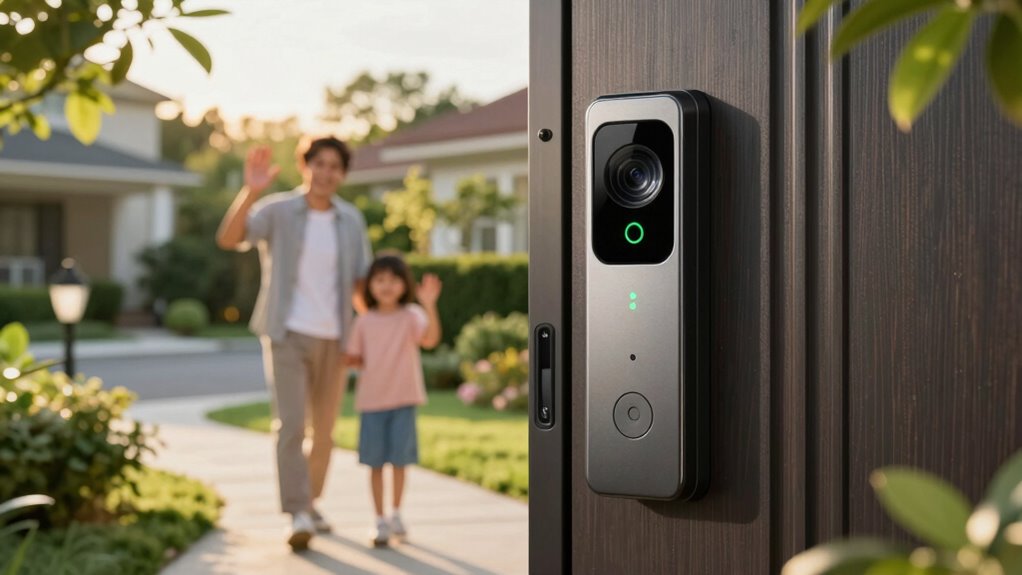
While traditional security systems often trigger alarms for any unfamiliar presence, familiar face recognition technology greatly enhances your home security by accurately identifying known individuals. This advanced facial recognition system reduces false alarms, boosting your security effectiveness.
| Feature | Description | Benefits |
|---|---|---|
| Identification of Family | Recognizes faces of family members | Minimizes unnecessary alerts |
| Guest Recognition | Identifies approved visitors | Increases convenience |
| Learning Capability | Adapts to new faces over time | Continuous improvement |
| Privacy Settings | Customizable privacy features | Control over personal data |
| Integration with Smart Systems | Works with other smart devices | Streamlined home automation |
Telling Real Threats From False Alarms

Advanced facial recognition technology not only minimizes false alarms but also plays an essential role in distinguishing real threats from harmless situations.
By leveraging machine learning, your home security system enhances threat identification and alarm differentiation, ensuring a more reliable safety net. Here are key features that enhance this capability:
Leveraging machine learning, your security system improves threat detection and reduces false alarms for a safer home environment.
- Real-time analysis of faces and behaviors
- Contextual data integration for better decision-making
- User-defined parameters for specific threat profiles
- Continuous learning from previous incidents
- Instant notifications to keep you informed
With these advancements, you can trust that your system effectively sifts through potential threats, reducing anxiety about false alarms.
This technology empowers you, allowing you to focus on what truly matters while feeling secure in your environment.
Why Do Fewer False Alarms Matter for You?

Why do fewer false alarms matter to you? They can greatly impact your peace of mind and wallet.
False alarm costs add up quickly, not just in monetary terms but also in time wasted dealing with unnecessary responses from security personnel.
When your home security system uses advanced AI to minimize these alerts, it enhances your user experience. You can trust your system to distinguish between real threats and harmless triggers, allowing you to focus on what truly matters.
Fewer false alarms mean less stress and more freedom, as you won’t constantly worry about your security being compromised.
Ultimately, a reliable system empowers you to live confidently, knowing that your home is genuinely protected without unnecessary interruptions.
Emerging AI Trends in Home Security

As technology evolves, emerging AI trends in home security are reshaping how you protect your property. These advancements are elevating your safety while enhancing user privacy and convenience. Here’s what to expect:
- AI advancements in security automation streamline monitoring processes.
- Predictive analytics anticipate threats before they happen.
- Surveillance integration allows seamless connectivity across multiple devices.
- Smart sensors enhance responsiveness and accuracy in threat detection.
- Behavioral analysis identifies unusual patterns, reducing false alarms.
With cloud computing at the helm, these innovations create a more robust security framework.
Embracing these trends means you can enjoy greater peace of mind, knowing your home is equipped with the latest in intelligent defense technology.
Stay informed and proactive in safeguarding your freedom and property.
Choosing the Best Smart Security System for Your Needs

With the rise of advanced AI trends in home security, choosing the best smart security system for your needs has become more straightforward yet nuanced.
Start by evaluating system compatibility with your existing devices. Next, weigh budget considerations against necessary features; remember that investing wisely pays off. User reviews can offer insights into real-world performance, guiding your decision.
Explore installation options—some systems are DIY-friendly, while others require professional help. Don’t overlook maintenance requirements; a low-maintenance system can save you time and hassle.
Brand reputation matters, so consider established names for reliable service. A thorough feature comparison will highlight what each option offers.
Finally, verify robust customer support is available, as questions will arise during your ownership journey.
Frequently Asked Questions
How Does AI Prioritize Which Alerts to Send to Homeowners?
AI uses alert prioritization techniques based on homeowner notification preferences, analyzing patterns and urgency. It filters notifications, ensuring you receive critical alerts first, enhancing your security experience while minimizing unnecessary disturbances in your daily life.
Can Machine Learning Adapt to New Security Threats Over Time?
Machine learning’s adaptive algorithms are like a superhero constantly evolving to tackle new threats. With each incident, they learn and improve, ensuring your security system stays ahead of emerging dangers and keeps you safe.
What Are the Privacy Implications of Using AI in Home Security?
Using AI in home security raises privacy concerns regarding data security and user consent. You need to guarantee that your information’s collected responsibly and that you retain control over how it’s used and shared.
How Do Users Train Their Systems to Recognize Familiar Faces?
Imagine teaching a child to recognize friends; you’d show them pictures and offer guidance. Similarly, you train your system by providing user feedback, enhancing its face recognition capabilities to distinguish familiar faces accurately over time.
Are There Any Limitations to AI in Reducing False Alarms?
Yes, limitations exist. Algorithmic biases can skew results, and poor data quality may lead to inaccurate predictions. You’ll want to guarantee your system’s training data is diverse and reliable to minimize these issues effectively.