You might think your home is secure, but many common security mistakes could leave it vulnerable. Relying solely on alarms, neglecting lock quality, and ignoring outdoor lighting are just a few oversights. Additionally, failing to regularly assess your security measures and collaborate with neighbors can be detrimental. Understanding these pitfalls is essential for enhancing your home’s safety. So, what steps can you take to fortify your property against potential threats?
Common Home Security Misconceptions You Should Know
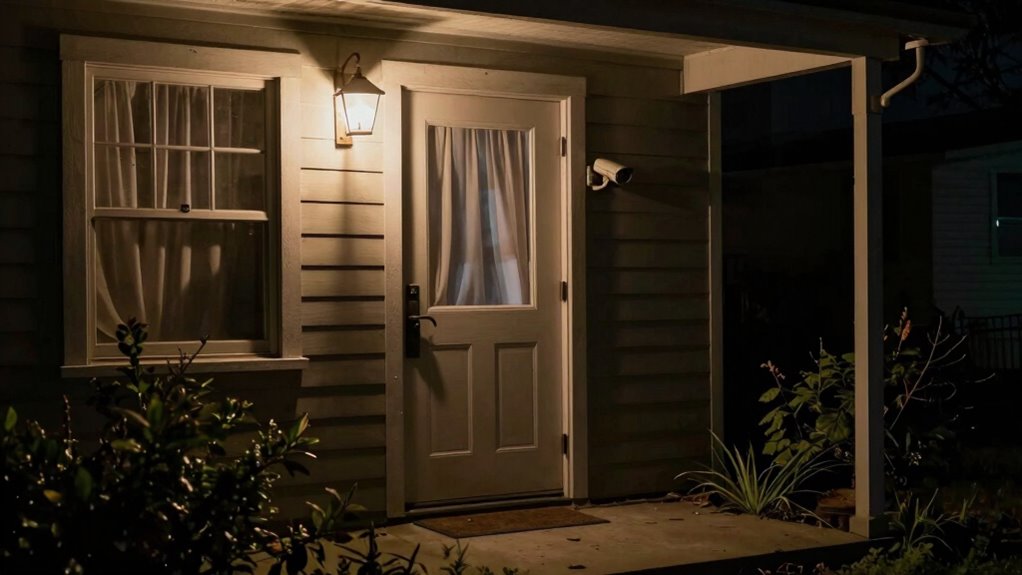
Although many homeowners believe they understand the basics of home security, several misconceptions can leave them vulnerable. One prevalent security myth is that a loud alarm is enough to deter burglars. In reality, alarm misconceptions often underestimate the significance of additional measures, like surveillance cameras and neighborhood watch programs. Moreover, homes without security systems are at a higher risk of being robbed compared to those with systems.
Another common belief is that security systems are only necessary in high-crime areas, but crime can happen anywhere, and proactive measures are essential for everyone. Additionally, some think that simply having a security sign outside their home is enough, while actual system implementation is critical. Integrating smart devices into your security system can significantly enhance overall user experience and provide additional layers of protection.
Understanding these misconceptions can empower you to take informed steps, enhancing your security and protecting your freedom and peace of mind.
Overlooking Basic Lock Mechanisms: A Major Risk
While many homeowners focus on high-tech security solutions, they often overlook the importance of basic lock mechanisms, which can be a major risk. The quality of your locks directly impacts your home’s security. Cheap or outdated locks can easily be compromised, allowing intruders to bypass your defenses. Additionally, advanced authentication methods can significantly improve your overall security posture when combined with traditional locking mechanisms.
Regular key maintenance is equally essential; worn or damaged keys can lead to lock malfunctions, leaving your home vulnerable. Make sure your locks are of high quality and consider upgrading to deadbolts for enhanced protection. Implementing enhanced security through smart locks can further fortify your defenses.
Don’t underestimate the power of simple, effective security measures. By prioritizing lock quality and maintaining your keys, you can safeguard your home without relying solely on advanced technology. Simple steps can make a significant difference in your overall security.
The Role of Outdoor Lighting in Home Security
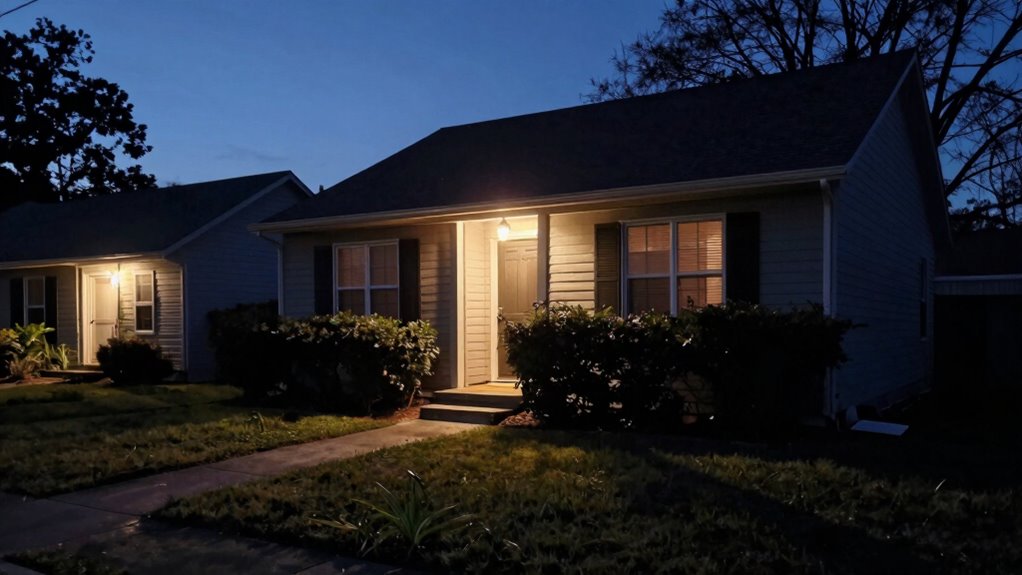
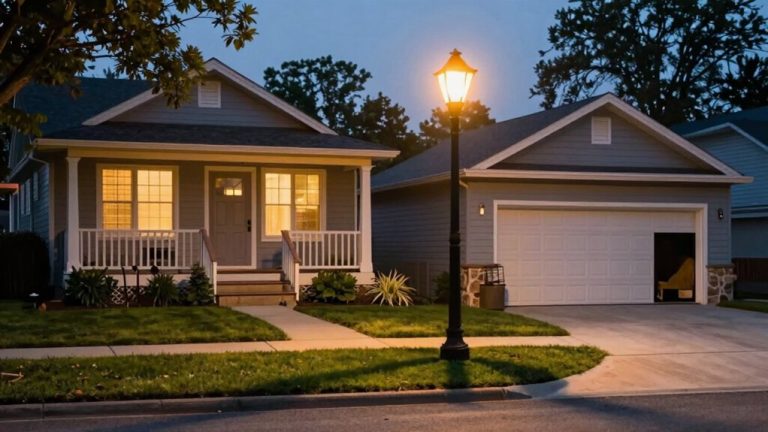
Effective outdoor lighting plays an essential role in enhancing your home security, as it not only deters potential intruders but also increases visibility around your property.
Effective outdoor lighting is crucial for boosting home security by deterring intruders and improving visibility around your property.
To maximize its effectiveness, consider these key aspects:
- Utilize motion sensors to automatically illuminate areas when movement is detected, as motion sensors can enhance the overall security environment for homeowners and their families.
- Strategically plan light placement to cover entrances, pathways, and dark corners.
- Use bright LED lights for better visibility and energy efficiency.
- Incorporate timers or smart systems to guarantee lights are on when you’re away. Additionally, integrating smart lights with security systems can provide a unified defense strategy for your home.
Why You Can’t Afford to Skip a Security Audit?
Have you ever considered the vulnerabilities lurking within your home? A security audit is fundamental for identifying and addressing these weaknesses. Regular audits, ideally conducted annually, can reveal issues you might overlook, such as outdated locks or unsecured windows. The security audit benefits extend beyond mere detection; they also empower you to take proactive steps to enhance your home’s safety. By understanding your unique risks, you can tailor your security measures effectively. Additionally, incorporating professional monitoring into your security plan ensures that any identified vulnerabilities are promptly addressed and monitored around the clock. The presence of 24/7 surveillance can significantly increase the likelihood of preventing or mitigating potential threats. Skipping this significant evaluation can leave you exposed to potential threats, undermining your sense of freedom and safety.
Don’t underestimate the importance of a thorough security audit; it’s a critical investment in protecting your home and peace of mind. Make it a priority to guarantee your sanctuary remains secure.
Securing All Entry Points for Optimal Home Security
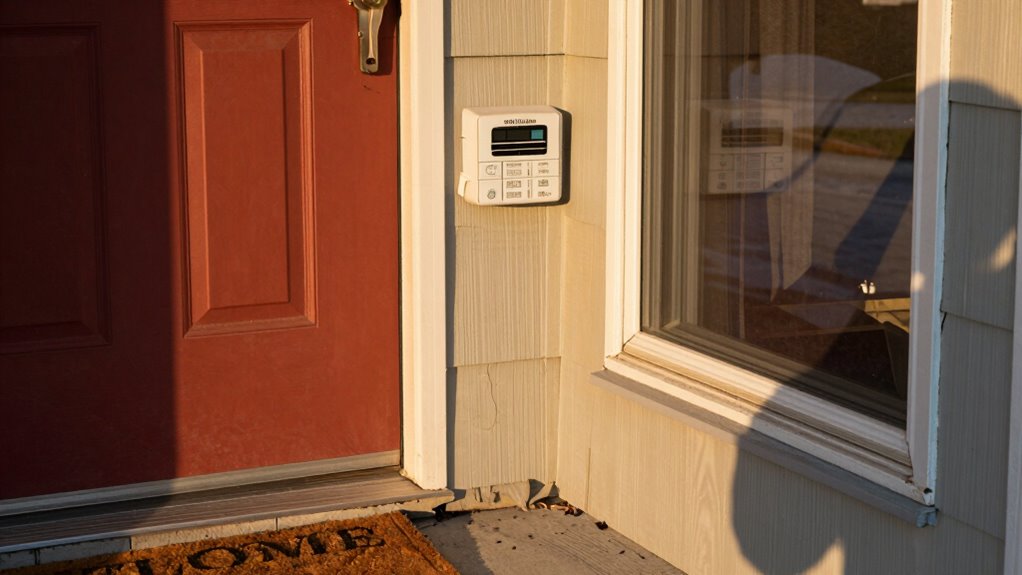
Securing all entry points in your home is essential for creating a robust defense against potential intruders.
Many homeowners overlook entry point vulnerabilities, leaving them exposed.
Here’s how to enhance your security:
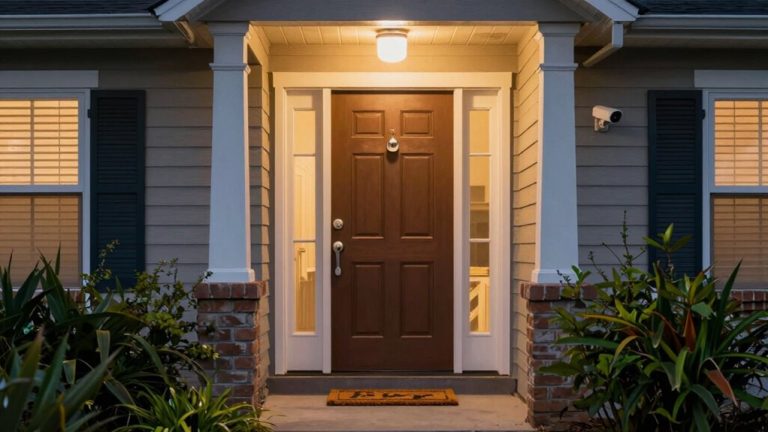
- Reinforce Doors: Use solid-core doors and deadbolt locks to deter forced entry. Consider adding a wireless alarm system for enhanced protection against breaches.
- Secure Windows: Install window locks and consider security film to prevent shattering. Ensure that all sensors are strategically placed to maximize coverage and detection capabilities.
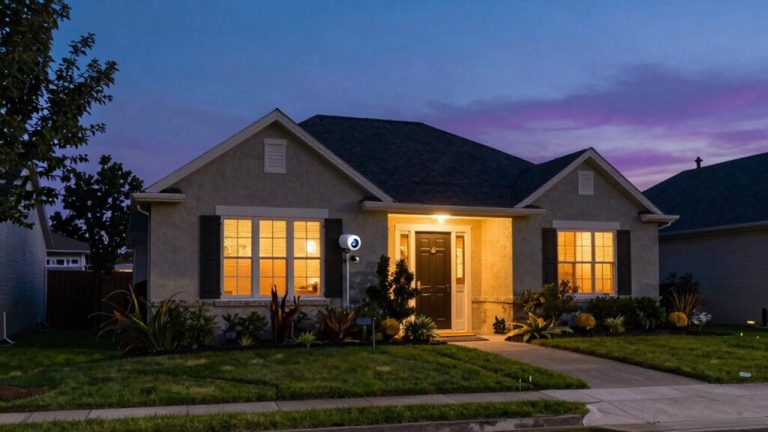
- Use Smart Technology: Integrate a security system that includes doorbell cameras and motion sensors.
- Maintain Landscaping: Trim bushes and trees near entry points to eliminate hiding spots.
Additionally, consider installing wireless alarm systems to provide an extra layer of security without damaging walls.
How Neighbors Can Boost Your Home Security
Your neighbors can play an essential role in enhancing your home security.
By participating in neighborhood watch programs, communicating regularly, and sharing surveillance resources, you create a united front against potential threats.
Understanding these collaborative strategies can greatly reduce risks in your community.
Neighborhood Watch Programs
While many homeowners focus on personal security measures, engaging in a neighborhood watch program can greatly enhance the safety of your home.
These programs foster community engagement and serve as a powerful tool for crime prevention. Here’s how participating can benefit you:
- Increased Vigilance: Neighbors keep an eye out for unusual activities.
- Strengthened Relationships: Building trust among neighbors encourages collaboration.
- Shared Resources: Pooling resources allows for better security solutions, like shared surveillance.
- Crime Reporting: Quick communication of suspicious behavior can deter potential criminals.
Communication and Alerts
Effective communication among neighbors can greatly enhance your home security, especially when it comes to sharing timely alerts. Establishing clear communication protocols is essential; it guarantees everyone knows how to report suspicious activity or potential threats quickly.
You can implement alert systems that notify neighbors via text or app notifications, fostering a proactive neighborhood environment. Regular meetings can help reinforce these protocols and keep everyone informed about local security concerns.
By engaging in open dialogue and sharing experiences, you create a stronger, more vigilant community. Remember, your home security doesn’t just rely on technology; it thrives on collaboration and awareness among neighbors.
Together, you can cultivate a safer living space, allowing everyone to enjoy their freedom without fear.
Pooling resources for shared surveillance can greatly enhance neighborhood security. By collaborating with your neighbors, you can create a safer environment for everyone.
Here’s how resource pooling can work effectively:
- Shared Cameras: Install cameras that cover multiple properties; this increases monitoring without each homeowner bearing the full cost.
- Centralized Viewing: Set up a common platform for accessing camera feeds, allowing everyone to stay informed about suspicious activities.
- Neighborhood Watch: Establish a group to coordinate responses to alerts from shared surveillance, enhancing community involvement.
- Regular Meetings: Discuss security updates and concerns, fostering stronger relationships and vigilance.
Frequently Asked Questions
How Often Should I Change My Home Security Codes?
You should change your home security codes every three to six months. Regular code frequency helps maintain safety. Stay proactive with security updates to prevent unauthorized access and guarantee your home remains a sanctuary of freedom.
Are Smart Home Devices Vulnerable to Hacking?
Yes, smart home devices can be vulnerable to hacking. To enhance security, embrace hacking prevention tips like regularly updating firmware, using strong, unique passwords, and disabling unnecessary features to minimize smart device vulnerabilities.
What Is the Best Type of Lock for My Front Door?
The best type of lock for your front door is a high-security deadbolt. Consider single-cylinder or double-cylinder options based on your needs. Proper lock installation enhances security, giving you peace of mind and freedom at home.
How Can I Improve Security Without Spending Much Money?
You can enhance security on a budget by implementing DIY security upgrades, like better lighting or door sensors. Joining a neighborhood watch fosters community vigilance, creating a safer atmosphere without straining your finances.
Should I Inform Neighbors About My Vacation Plans?
Yes, you should inform trusted neighbors about your vacation plans. This neighbor communication enhances vacation security, as they’ll keep an eye on your property, deterring potential intruders while you’re away enjoying your freedom.