
In today’s digital landscape, sharing your child’s photos might seem harmless, but it can lead to serious consequences. You may not realize how easily innocent images can be twisted for malicious purposes, exposing your child to risks you never anticipated. Are you aware of the potential dangers lurking behind those seemingly innocent snapshots? Understanding the reality of digital kidnapping is essential for safeguarding your child’s future in an increasingly interconnected world. What steps can you take to protect them?
Key Takeaways
- Digital kidnapping involves unauthorized online use of children’s photos, often with malicious intent, risking their safety and privacy.
- Sharing children’s images can create a permanent digital footprint, making them vulnerable to identity theft and exploitation.
- Misuse of photos can lead to targeted harassment, unwanted attention, and a significant invasion of privacy for the child.
- To safeguard their digital identity, parents should limit photo sharing and regularly adjust privacy settings on social media platforms.
- Tools like Google Alerts and monitoring apps can help track unauthorized uses of children’s photos online, enhancing their safety.
What Is Digital Kidnapping?
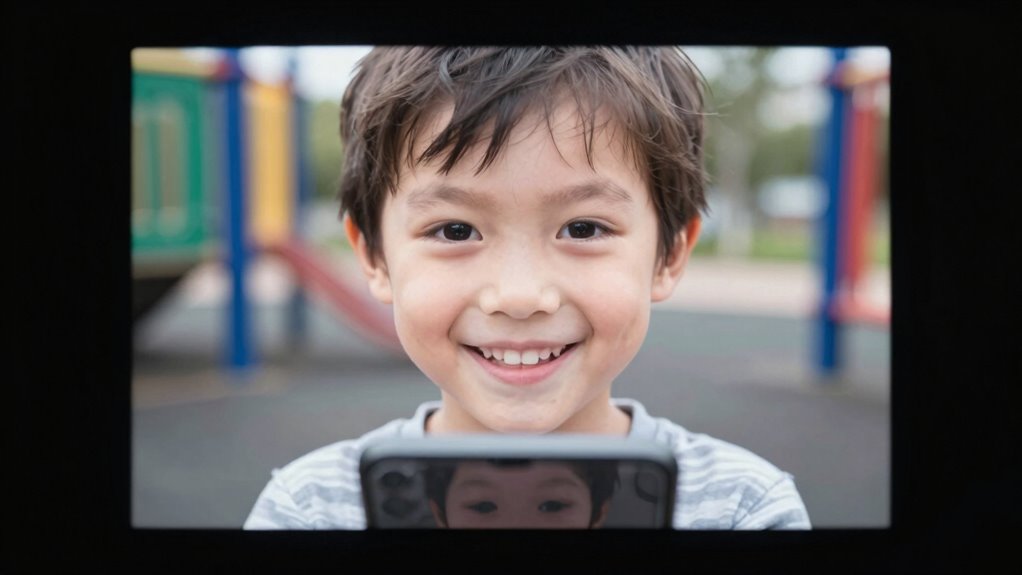
Digital kidnapping, while it may sound like a plot twist from a thriller, is a very real and concerning issue in our increasingly digital world.
At its core, digital kidnapping involves the unauthorized use of children’s photos online, often for malicious intents. You might think that sharing innocent pictures of your kids is harmless, but it can lead to serious violations of digital privacy.
Digital kidnapping exploits children’s photos online, turning innocent sharing into potential threats to privacy and safety.
Without proper photo consent, these images can be manipulated or exploited by predators, posing a significant risk to your child’s safety.
As you navigate the online landscape, it’s essential to safeguard your child’s identity and image. Stay vigilant and understand the implications of sharing personal photos, ensuring that your family’s digital presence remains secure and protected.
Dangers of Sharing Children’s Photos and Digital Kidnapping

While sharing photos of your children may seem innocent and often heartwarming, it can expose them to significant risks that many parents overlook.
The rise of social media has blurred the lines between sharing and safety, leading to alarming privacy concerns.
Consider these dangers:
- Digital Kidnapping: Photos can be misused for identity theft or exploitation.
- Permanent Digital Footprint: Once posted, you lose control over who sees and uses those images.
- Targeted Harassment: Public photos can attract unwanted attention and even stalking.
- Invasion of Privacy: Children can’t consent to sharing their lives online, leaving them vulnerable.
Protect your child’s future by being cautious about what you share.
Your love shouldn’t come at the cost of their safety.
Recognizing Misuse of Your Child’s Photos?
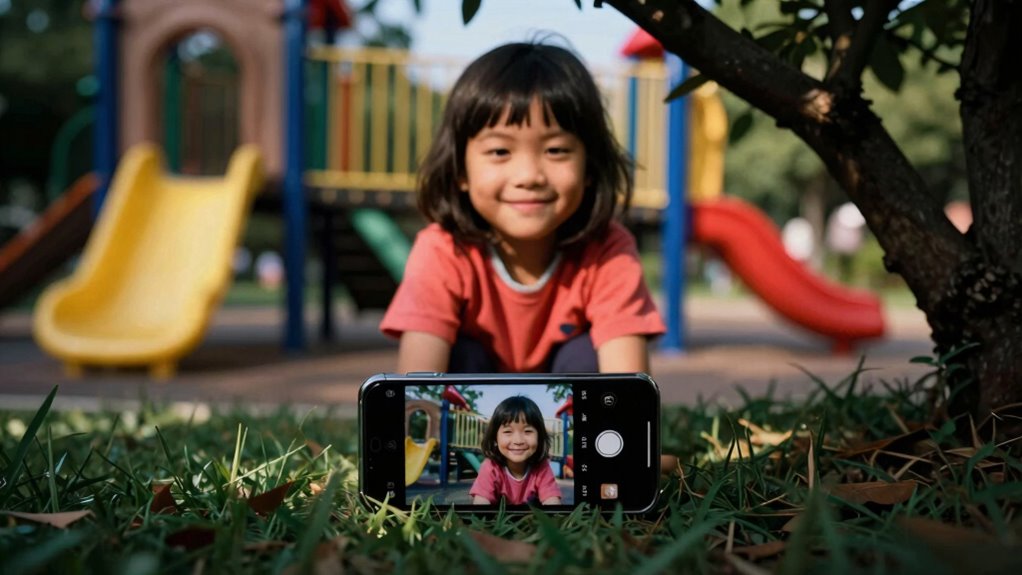
How can you tell if your child’s photos are being misused online? Start by examining where you share their images. If you post on public platforms, those photos might be accessible to anyone, risking your child’s photo privacy.
Regularly search for their images using reverse image tools; this can reveal unauthorized uses. Pay attention to comments and interactions on your posts—unusual engagement could indicate misuse.
Stay vigilant about who you share images with, as parental awareness is key to protecting your child. Look for signs of deepfake technology or altered images, as these can be alarming indicators.
Effective Strategies for Safeguarding Your Child’s Digital Identity

Protecting your child’s digital identity requires a proactive approach that goes beyond simply monitoring their online presence.
You need to understand the potential risks and take measures to mitigate them. Here are some effective strategies:
- Adjust Privacy Settings: Regularly review and update privacy settings on social media and other platforms to limit who can see your child’s information.
- Educate About Digital Footprints: Teach your child about the permanence of their online actions, ensuring they think before posting.
- Limit Sharing: Avoid oversharing your child’s photos or personal details online; this reduces the risk of misuse.
- Encourage Open Dialogue: Foster an environment where your child feels comfortable discussing their online experiences and any concerns they may have.
Tools for Monitoring Your Child’s Photos Online
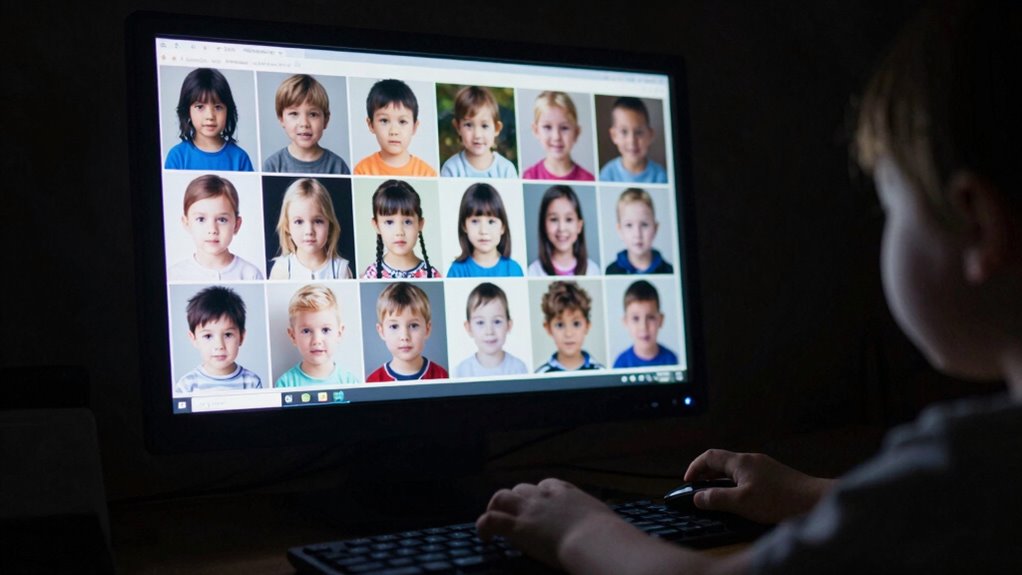
As concerns about digital kidnapping grow, parents need effective tools to monitor their child’s photos online. Photo monitoring apps can help you track where images are shared and alert you if they appear on unauthorized platforms. Regularly updating privacy settings on social media can also safeguard your child’s photos from prying eyes.
| Tool | Description |
|---|---|
| Google Alerts | Set alerts for your child’s name |
| Family Link | Monitor app activity and usage |
| Bark | Detects potential dangers online |
| Net Nanny | Filters inappropriate content |
| Qustodio | Tracks screen time and activity |
Utilizing these tools empowers you to maintain your child’s online safety and protect their digital identity from misuse.
Frequently Asked Questions
Can I Legally Sue Someone for Misusing My Child’s Photos?
Yes, you can legally sue someone for misusing your child’s photos. Your legal rights hinge on photo ownership, allowing you to protect your child’s image and assert control over how it’s used.
What Are the Signs of Digital Kidnapping in Social Media?
You’ll notice signs of digital kidnapping when you see unauthorized sharing of your child’s photos, unusual tagging by strangers, or accounts using their images without consent. Prioritize photo privacy and online safety to protect your family.
You can report unauthorized use of your child’s images by contacting the platform directly. Isn’t it essential to protect their photo privacy? Explore legal options if needed, ensuring your child’s digital safety remains a priority.
Are There Specific Apps to Help Monitor Children’s Images Online?
Yes, several photo monitoring apps and privacy protection tools can help you track your child’s images online. Investigate options like Google Photos, FamilyTime, and Snapchat’s privacy settings to enhance your child’s safety and privacy.
What Age Should Children Be Educated About Their Digital Footprint?
You should educate children about their digital footprint around age 10. By then, they’re likely using social media. Teaching digital literacy early empowers them to understand online privacy and make informed choices about their online presence.