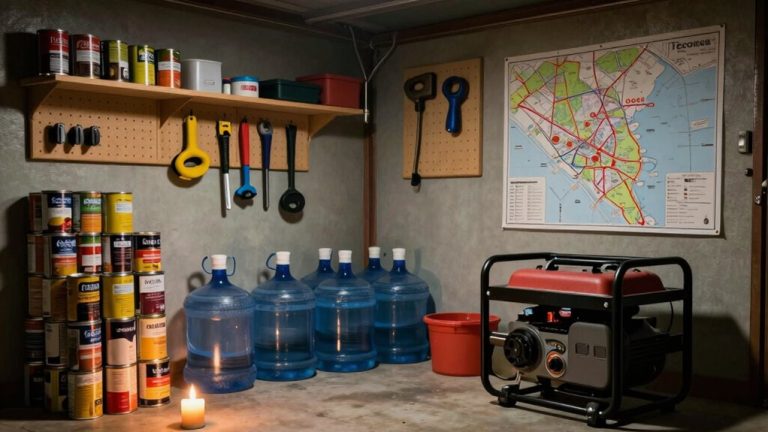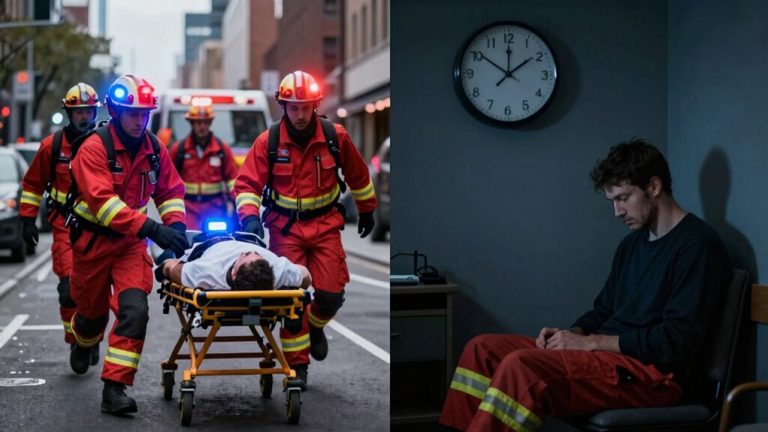
In emergencies, it’s common to feel a sudden freeze, as if your mind and body just lock up. This reaction stems from a mix of overwhelming fear and cognitive overload. You might think you should act, but instead, you find yourself paralyzed by uncertainty. Understanding why this happens can help you regain control in those moments. What if there are ways to break free from this paralysis when every second counts?
How Do We React to Danger: Fight, Flight, or Freeze?
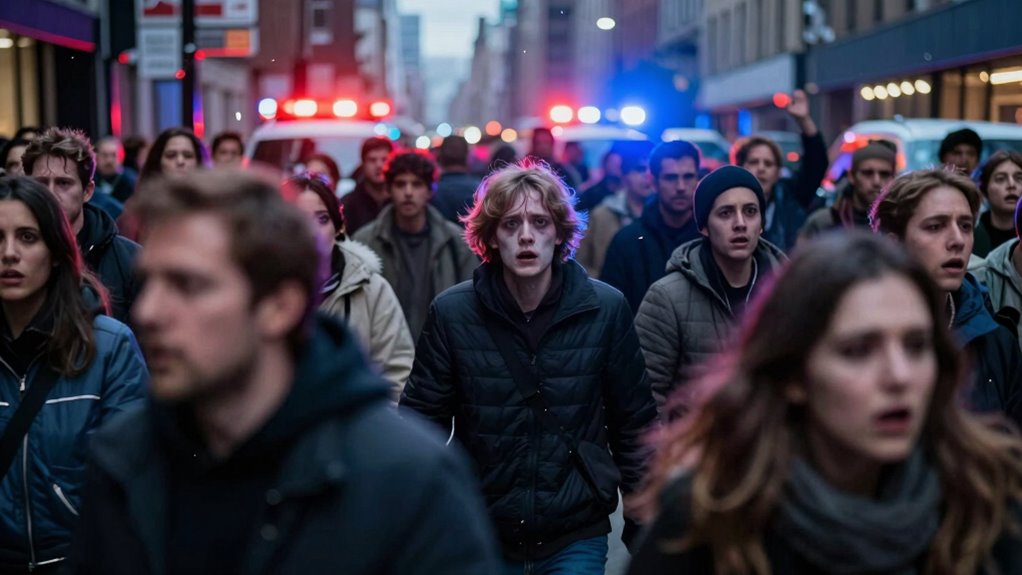
When you face danger, your body instinctively activates one of three responses: fight, flight, or freeze. These survival instincts are deeply rooted in your biology, designed to enhance your chances of survival.
When you choose to fight, you channel your emotional responses into aggression, seeking to confront the threat head-on. If you opt for flight, your body propels you to escape, prioritizing safety and distance from danger.
Choosing to fight channels your emotions into confrontation, while opting for flight prioritizes safety and distance from threats.
Conversely, freezing can occur when overwhelming fear paralyzes you, leaving you unable to act. Understanding these responses can empower you; recognizing your instinctual reactions can help you navigate crises with greater awareness.
Embracing this knowledge fosters a sense of freedom, enabling you to make informed choices in the face of fear.
Key Psychological Triggers for Freezing in Crises
In moments of crisis, your perception of threat can trigger a freeze response, leaving you momentarily paralyzed.
This reaction often stems from cognitive overload, where the sheer volume of information overwhelms your ability to act.
Understanding these psychological triggers can help you navigate emergencies more effectively and regain control.
Threat Perception and Response
As individuals face imminent threats during emergencies, their ability to respond can be profoundly influenced by psychological triggers that lead to a state of freezing.
Your threat assessment plays an essential role; it determines how you perceive danger and influences the response strategies you adopt. When confronted with fear, your brain instinctively evaluates the situation, often leading to a paralyzing sense of uncertainty.
This reaction can stem from prior experiences or the overwhelming nature of the crisis. Understanding how these triggers operate can empower you to break free from the freeze response.
Cognitive Overload and Paralysis
Cognitive overload can quickly overwhelm your mind during a crisis, leaving you feeling paralyzed and unsure of how to act. This reaction stems from the high cognitive load you’re experiencing, which can lead to decision paralysis.
When faced with overwhelming information, you might find it hard to make choices. Here are three ways cognitive overload impacts your ability to respond:
- Information Overwhelm: Too many stimuli can drown your thoughts, making it tough to focus on what matters.
- Fear of Mistakes: The pressure to make the right decision can freeze you in place, as you worry about potential consequences.
- Reduced Processing Speed: Your brain struggles to analyze options, leading to inaction instead of empowerment.
Recognizing these triggers can help you regain control in emergencies.
How to Overcome Freezing Responses in Crises

When faced with a crisis, it’s natural to feel paralyzed, but recognizing this freezing response is the first step toward overcoming it. You can initiate crisis interventions by implementing practical strategies to regain control.
| Step | Action |
|---|---|
| Acknowledge Fear | Accept your feelings without judgment. |
| Breathe Deeply | Take slow, steady breaths to ground yourself. |
| Take Action | Choose a small, manageable step to break the freeze. |
Disaster Psychology: Social Dynamics and Group Behavior in Crises
In times of crisis, you might notice how people around you respond collectively, often influenced by the behaviors and emotions of those nearby.
Understanding these collective behavior trends and social influence factors can help you navigate the chaos more effectively.
Collective Behavior Trends
Understanding collective behavior trends during emergencies can provide critical insights into how groups respond to crises.
When faced with danger, people often exhibit specific behaviors shaped by social dynamics. Here are three key trends you might notice:
- Groupthink phenomena: Individuals may suppress their own opinions to align with the group, which can hinder effective decision-making.
- Emergency rituals: These shared actions, like forming lines or following escape routes, can help establish order and foster a sense of security amid chaos.
- Bystander effect: In large groups, people may hesitate to act, assuming someone else will step in.
Social Influence Factors
The way individuals respond to emergencies is heavily influenced by social factors, which shape their actions and decisions in critical moments.
You might find that social conformity plays a significant role, as people often look to others for cues on how to act. Peer pressure can amplify this effect, pushing you to follow the crowd even if it contradicts your instincts.
Cultural norms also dictate acceptable behaviors during crises, sometimes leading to inaction when everyone else is paralyzed by fear.
Additionally, groupthink can create a false sense of security, making it harder for you to voice concerns or take independent action.
Understanding these dynamics can empower you to break free from the constraints of social influence and respond more effectively during emergencies.
The Impact of Training and Preparedness on Responses
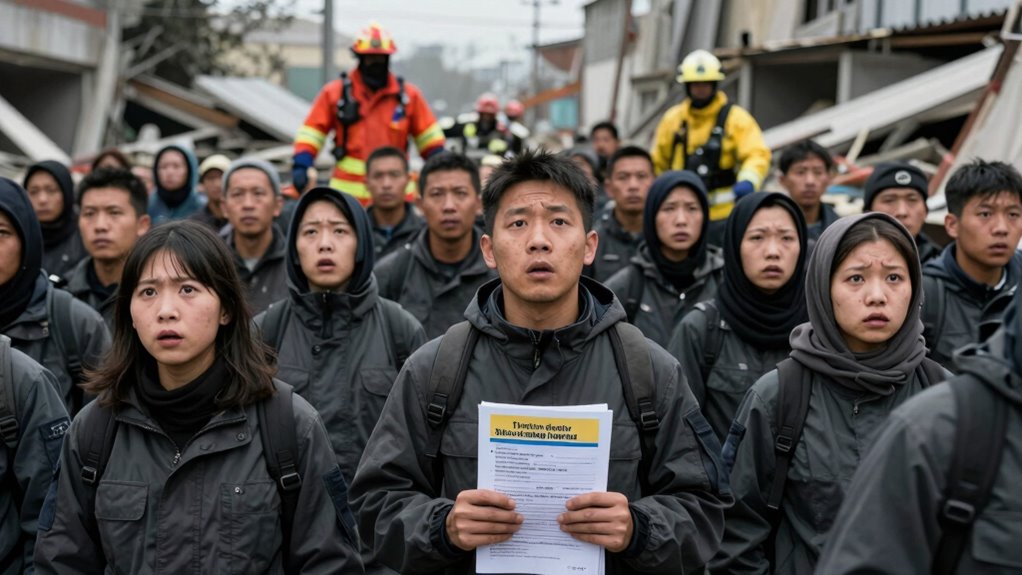
While many people instinctively react during a crisis, having proper training and preparedness can greatly enhance those responses.
When you engage in preparedness training, you boost your response efficacy, allowing you to react effectively when it matters most.
Here are three key benefits of training:
- Increased Confidence: Knowing what to do reduces panic and hesitation, empowering you to act decisively.
- Enhanced Skills: Regular training hones your ability to assess situations quickly and respond appropriately, making you more effective in emergencies.
- Better Team Coordination: Preparedness fosters teamwork, ensuring everyone knows their role, which can be vital in chaotic situations.
How Training Translates to Real-Life Responses
Training doesn’t just build confidence; it directly shapes how you respond when faced with real-life emergencies. The effectiveness of your training can be the difference between panic and purposeful action. Each scenario you practice prepares you for unpredictable situations, helping you react instinctively rather than freeze.
Here’s a quick overview of how training translates to real-life applications:
| Training Aspect | Real-Life Application | Impact on Response |
|---|---|---|
| Simulation Drills | Emergency evacuations | Faster decision-making |
| Scenario Planning | Crisis management | Enhanced situational awareness |
| Skills Practice | First aid response | Increased efficiency |
| Team Exercises | Coordinated efforts | Stronger teamwork |
Frequently Asked Questions
What Are the Long-Term Effects of Freezing During Emergencies?
Research shows that 70% of individuals experience psychological trauma after freezing in emergencies. This can lead to altered behavioral patterns, impacting decision-making and emotional responses long-term, ultimately affecting your overall sense of freedom and safety.
Can Children React Differently Than Adults in Crises?
Yes, children often react differently than adults in crises. Their emotional regulation skills are still developing, leading to unique child behaviors that may include confusion or fear, impacting how they respond to emergencies compared to adults.
How Do Cultural Differences Influence Freezing Responses?
Cultural norms shape how you respond in crises, influencing whether you freeze or act. Response training varies across cultures, impacting your instincts and preparedness, ultimately affecting your ability to navigate emergencies effectively and confidently.
Are There Specific Scenarios That Trigger Freezing More Than Others?
Imagine a deer caught in headlights. High stress situations, like natural disasters or sudden threats, often trigger scenarios where you might freeze. Your body’s instinct to assess danger can leave you momentarily paralyzed, seeking safety.
How Can Bystanders Help Someone Who Has Frozen in an Emergency?
In an emergency, you can help a frozen individual by employing bystander intervention techniques. Calmly approach them, offer reassurance, and guide them toward action, ensuring they feel safe while promoting effective emergency response.