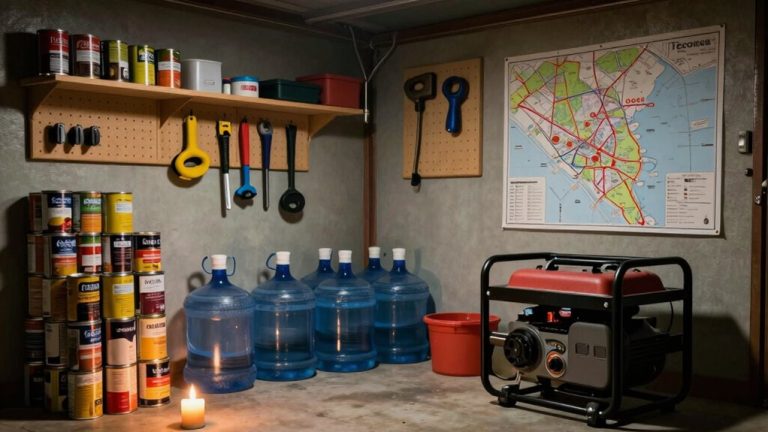
When it comes to your home, safety should always be a priority, especially in earthquake-prone areas. Imagine the chaos of a tremor, with heavy furniture threatening to topple over and cause harm. By understanding the principles of earthquake-proofing furniture, you can create a secure environment that allows you to move freely, even during the most unsettling moments. Curious about how to turn your living space into a safer haven? Let’s explore the essential strategies.
Understanding Why Earthquake-Proofing Furniture Matters
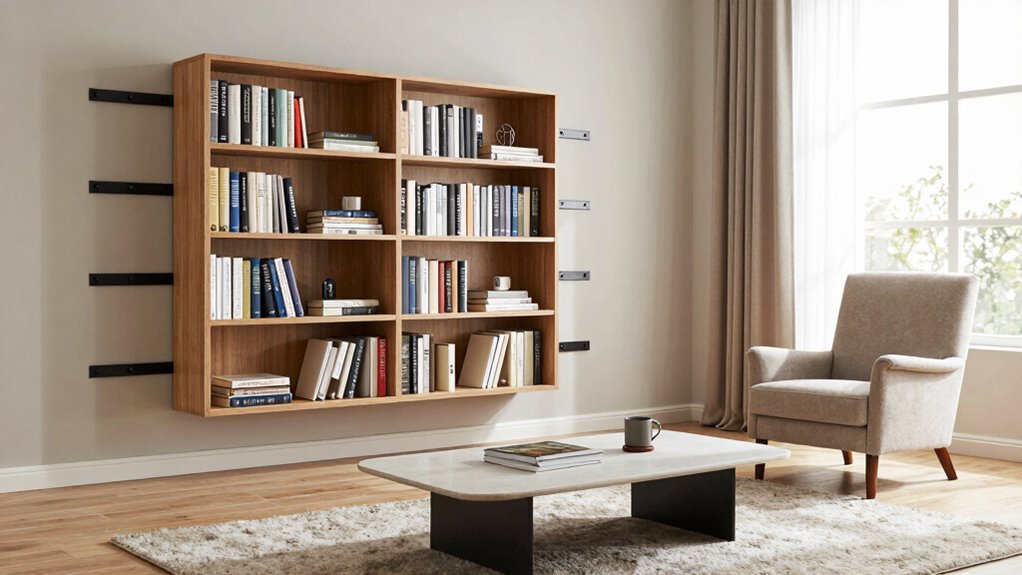
When the ground begins to shake, you want to know your home is a safe haven, not a hazard.
Earthquake preparedness isn’t just about having supplies; it’s also about ensuring your furniture is secure.
Imagine your favorite chair, once a cozy retreat, suddenly toppling over. The chaos of an earthquake can turn tranquility into turmoil if you haven’t prioritized furniture safety.
By anchoring heavy pieces and ensuring they’re stable, you’re not just protecting belongings; you’re safeguarding your freedom to move without fear.
Anchoring your furniture not only protects your belongings but also restores your peace of mind during an earthquake.
Every item you secure is a step toward reclaiming your space, making it a sanctuary rather than a risk.
Key Furniture Types to Secure in Your Home
A well-prepared home requires attention to specific furniture types that can pose significant risks during an earthquake. Start with tall cabinets and bookshelves; their height makes them prone to toppling. Heavy dressers should also be on your radar, as they can easily crush anything beneath them.
Don’t overlook your entertainment center—those massive TV stands can become dangerous projectiles if unsecured.
For securing methods, consider L-brackets for anchoring, anti-tip kits, and wall straps.
Finally, any fragile furniture, like glass display cases, needs special attention; you want to avoid shattering glass everywhere.
Top Methods to Secure Heavy Furniture During an Earthquake
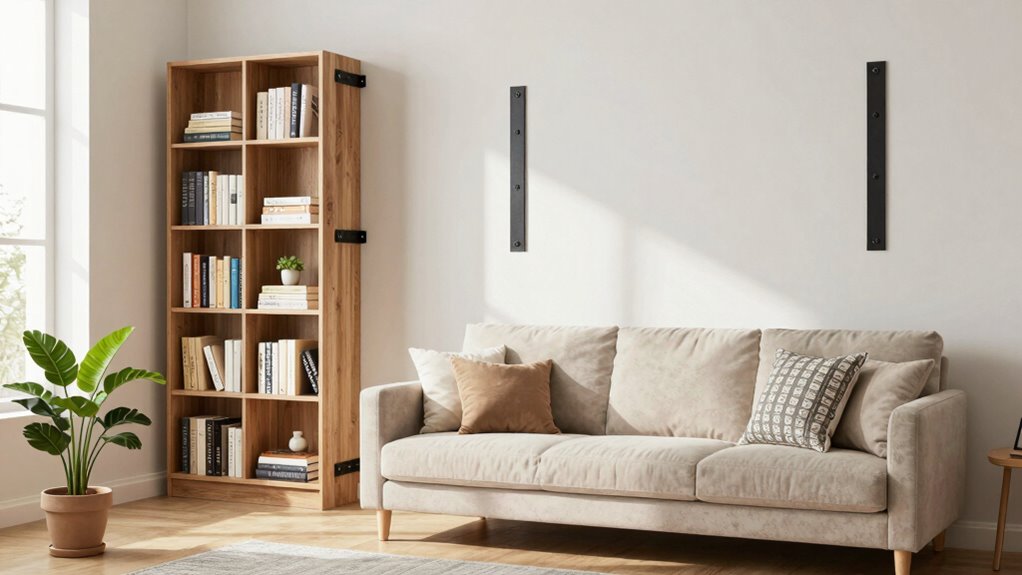
Securing heavy furniture during an earthquake is essential for ensuring your safety and minimizing damage.
Start with heavy item stabilization by placing your largest pieces against walls, creating a sturdy barrier. Use wall anchor techniques to fasten bookshelves and cabinets securely; these anchors can prevent tipping and sliding.
Consider L-brackets for extra support, connecting furniture to the wall at both the top and bottom. For added peace of mind, place non-slip mats beneath heavier items to reduce movement during tremors.
How to Anchor Bookshelves and Cabinets: Best Techniques?
When it comes to securing your bookshelves and cabinets, choosing the right anchoring method is vital for your peace of mind.
You’ll need a few essential tools, like brackets and screws, to create a sturdy connection between your furniture and the wall.
Let’s explore the best techniques that will keep your prized possessions safe and sound during an earthquake.
Best Anchoring Methods
Although it might seem intimidating, anchoring your bookshelves and cabinets is a straightforward task that can greatly enhance your home’s safety during an earthquake.
Start with sturdy brackets or straps, which you can secure to the wall and the furniture, ensuring ideal furniture stability. Opt for L-brackets for a sleek look, blending safety with aesthetics.
For larger pieces, consider using a combination of anchoring techniques, like wall-mounted straps and corner braces, for added support.
Don’t forget to choose anchors suitable for your wall type—whether drywall, plaster, or concrete.
Essential Tools Required
To effectively anchor your bookshelves and cabinets, a handful of essential tools will make the process seamless and efficient.
Start with a sturdy stud finder to locate the best securing fixtures, guaranteeing a solid hold on your walls. A level helps you keep everything straight, so your shelves not only stay secure but also look aesthetically pleasing.
Grab a drill for precise holes and screws, allowing you to fasten everything tightly. Don’t forget a measuring tape to guarantee your anchors sit perfectly aligned.
Finally, consider wall straps or brackets for added safety. With these essential tools at your side, you’ll transform your space into a sanctuary of stability, freeing your mind from worry during those unpredictable moments.
What to Look for in Earthquake-Proof Furniture
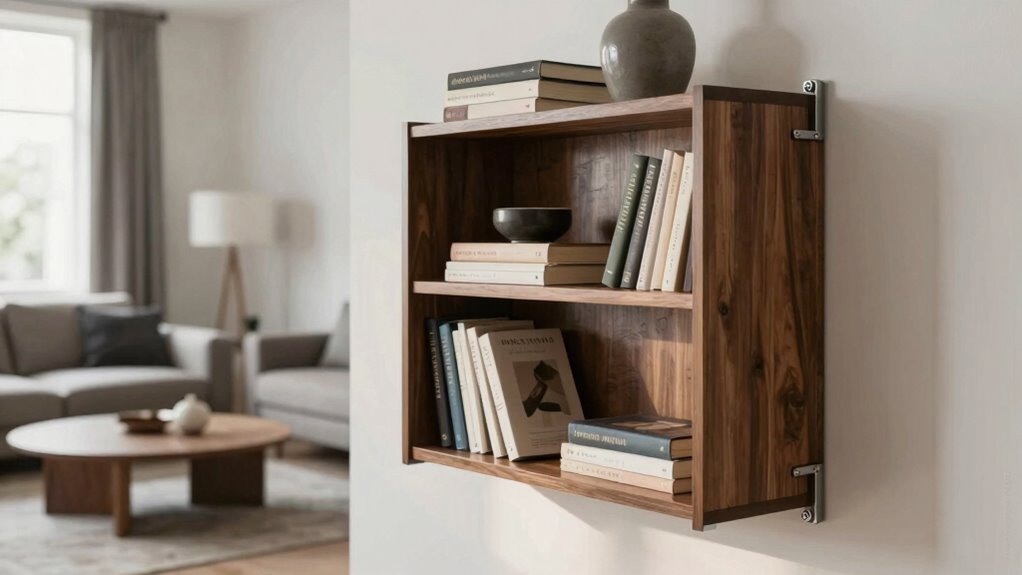
When you’re on the hunt for earthquake-proof furniture, pay close attention to the materials and construction—sturdiness is key.
Look for solid wood or metal pieces that promise stability, ensuring they can withstand nature’s tremors.
Also, secure fastening mechanisms are essential; they keep everything in place, so your cherished items stay safe when the ground shakes.
Sturdy Materials and Construction
Choosing the right materials and construction for earthquake-proof furniture is essential for ensuring safety during seismic events.
Look for sturdy materials like hardwood, metal, and high-quality composites that can withstand sudden jolts. Furniture crafted with solid construction techniques—like dowel joints and reinforced frames—offers superior durability and stability.
Pay attention to weight distribution; heavier pieces should have a low center of gravity to resist tipping. Avoid flimsy designs that can easily collapse.
Embrace aesthetic freedom by selecting styles that not only fit your decor but also prioritize resilience. Your choices reflect both your taste and your commitment to safety.
Investing in well-constructed, robust furniture means you can enjoy peace of mind while embracing the beauty of your living space.
Secure Fastening Mechanisms
Secure fastening mechanisms are essential for ensuring your furniture remains upright and intact during an earthquake.
When selecting pieces, you want to look for robust fastening systems that meet safety standards. These systems not only protect your belongings but also grant you peace of mind.
- Sturdy brackets and L-braces that anchor furniture to walls
- Heavy-duty straps that secure tall cabinets and bookshelves
- Reinforced joints offering extra stability during tremors
- Adjustable feet to level furniture on uneven surfaces
- Secure drawer latches that prevent spills and accidents
Smart Furniture Arrangement for Earthquake Safety
Although you mightn’t think about it daily, the arrangement of your furniture can play an essential role in your safety during an earthquake. A thoughtful furniture layout creates safety zones, allowing you to navigate your space freely while minimizing hazards.
Position heavy items like bookshelves against sturdy walls and away from doorways. Use couches or sturdy tables as protective barriers in your designated safety areas. Keep walkways clear to guarantee quick exits when needed.
Embrace the beauty of open spaces while prioritizing safety—create a harmonious balance that reflects your style and spirit of freedom. By strategically arranging your furniture, you can foster a sense of security, empowering yourself against the unpredictability of nature.
Frequently Asked Questions
How Can I Tell if My Furniture Is Earthquake-Proof?
To tell if your furniture’s earthquake-proof, check its stability during safety inspections. Secure heavy pieces to walls, guarantee they’re low to the ground, and keep essentials within reach for a quick escape. Stay safe, stay free!
What Materials Are Best for Earthquake-Proof Furniture?
For earthquake-proof furniture, choose the sturdy embrace of wooden stability, complemented by metal reinforcement’s unyielding strength. Together, they form a resilient bond, ensuring your space remains a sanctuary, even when nature’s fury strikes.
Are There Specific Brands Known for Earthquake-Proof Furniture?
You’ll find brands like IKEA and Sauder offer furniture features designed for stability. Their designs combine modern aesthetics and safety, letting you express your style while ensuring your space remains secure during unexpected events.
Can I Earthquake-Proof Furniture Without Professional Help?
Yes, you can earthquake-proof furniture without professional help! Use DIY tips like securing heavy items to walls, using anti-tip brackets, and placing non-slip pads underneath to enhance home safety while embracing your creative spirit.
How Often Should I Check My Earthquake-Proofing Measures?
You should check your earthquake preparedness measures every six months. Regular safety inspections keep your home secure, ensuring furniture’s bolted and anchored. Embrace freedom in knowing your space is safe and ready for anything life throws your way.