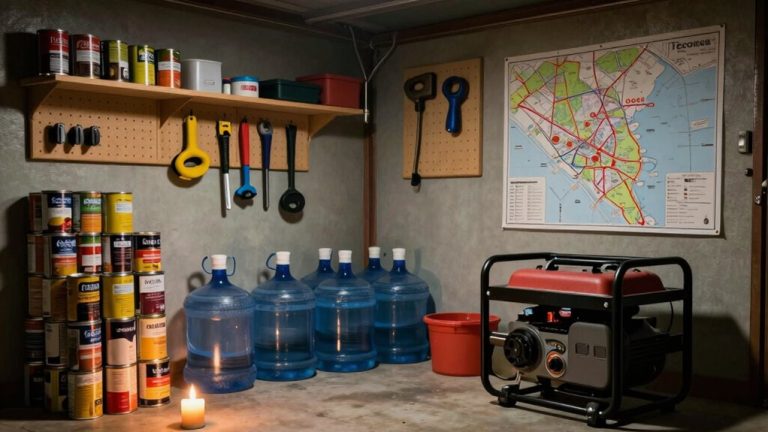
When it comes to fire safety in multi-story homes, planning is essential. You need to identify potential fire risks and establish clear escape routes from every room. Regular maintenance of safety equipment, like smoke detectors and fire extinguishers, can greatly enhance your preparedness. However, understanding how to effectively implement these strategies is just as important. What specific steps can you take to guarantee your family’s safety during an emergency?
Identifying Common Fire Risks in Multi-Story Homes and How to Address Them
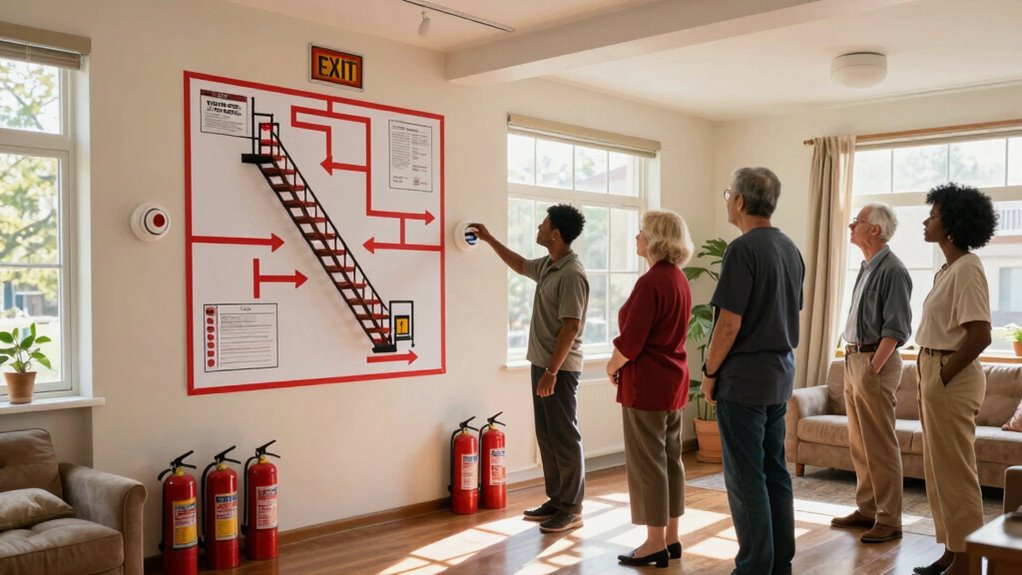
When living in a multi-story home, it’s crucial to recognize that certain fire risks can arise from the unique layout and design of these structures. Conducting a thorough risk assessment is essential.
Common fire hazards include inadequate escape routes, accumulation of flammable materials in stairwells, and malfunctioning smoke detectors. Each floor may have different levels of accessibility during a fire, increasing the urgency for effective detection systems.
Make sure smoke alarms are installed on every level and regularly tested. Additionally, consider fire-resistant materials for interior construction and maintain clear pathways. Working smoke alarms significantly increase survival chances in home fires, making their installation a top priority.
Creating an Effective Fire Escape Plan for Your Home
To create an effective fire escape plan, you need to identify clear escape routes from every room in your home.
Regularly practicing drills guarantees that everyone in your household knows how to navigate these routes efficiently.
Additionally, designating a meeting spot outside your home provides a safe location to account for all members after an evacuation.
Identify Escape Routes
A well-defined escape route is essential for ensuring safety in a fire emergency, as it allows residents to exit swiftly and efficiently.
Start by conducting escape route mapping throughout your multi-story home. Identify primary and secondary routes that lead to exits, ensuring they’re accessible for all residents, including those with mobility challenges.
Assess route accessibility by checking for obstructions, such as furniture or debris, that could impede quick exit. Clearly mark these routes with visible signage, and consider incorporating illuminated pathways.
Regularly review and update your escape routes, especially after any home modifications. This proactive approach empowers you and your family, enhancing your freedom to navigate your living space safely during an emergency.
Practice Regular Drills
Identifying escape routes is just the beginning; practicing regular drills solidifies your fire escape plan.
Establish a fire drill frequency that suits your family’s routine—ideally, quarterly. This regularity guarantees everyone remembers the proper actions during an actual emergency.
Engage in family participation by assigning roles, like leading the evacuation or checking on younger members. During each drill, evaluate your escape routes for efficiency and safety, adjusting as necessary.
Analyze the time taken to exit and identify any obstacles encountered. Encourage open discussions post-drill to address concerns and improve strategies.
Practicing these drills not only enhances your preparedness but also fosters a sense of freedom and confidence, knowing you’re ready to respond effectively in a crisis.
Designate Meeting Spot
Designating a meeting spot is essential in your fire escape plan, guaranteeing all family members know where to gather after evacuating.
Choose a safe, easily accessible meeting location, ideally at least 100 feet from your home, away from potential hazards. This spot should be familiar to everyone, allowing for quick and efficient group communication during a crisis.
Make certain all family members are aware of this location and practice reaching it regularly during drills. By establishing a designated meeting spot, you eliminate confusion and guarantee accountability, allowing you to quickly verify that everyone is safe.
Identifying and Marking Safe Escape Routes for Quick Exits
To guarantee quick exits during a fire, you need to plan and identify clear escape routes throughout your multi-story home.
Marking these routes with prominent signage is essential for guiding occupants effectively, especially in low visibility situations.
Escape Route Planning
When planning escape routes for a multi-story home, it’s vital to guarantee they’re clear, accessible, and well-marked, allowing for quick exits during emergencies.
Start by conducting a thorough route evaluation, identifying multiple paths to safety. Consider potential obstacles such as furniture, doors, and windows that may hinder swift evacuation.
Your evacuation strategies should prioritize direct routes to exits, minimizing the time spent maneuvering through complex layouts. Confirm that these routes remain unobstructed and well-lit, especially in areas prone to smoke accumulation.
Regularly practice evacuation drills with all household members to familiarize everyone with the escape routes, reinforcing confidence.
Clear Signage Importance
Effective emergency planning hinges on the presence of clear signage that identifies and marks safe escape routes throughout your multi-story home. Proper signage placement is vital; it should be strategically located at decision points, such as stairwells and hallways, where quick exits are necessary.
Visibility factors, including size, color, and illumination, directly impact how quickly you can identify these routes in an emergency. Using reflective materials or backlit signs enhances visibility during low-light conditions. Additionally, guaranteeing that symbols and text are universally understood can eliminate confusion.
Regularly inspecting and maintaining these signs is essential to confirm they remain functional and unobstructed. By prioritizing clear signage, you’re not just enhancing safety; you’re empowering yourself and others to act decisively during emergencies.
Essential Fire Safety Equipment for Multi-Story Homes

A thorough fire safety plan for multi-story homes hinges on the integration of essential fire safety equipment. You must prioritize installing reliable fire alarms and smoke detectors on every level and near sleeping areas. These devices detect smoke and alert you to potential danger, greatly increasing your chances of swift evacuation.
Consider adding a fire extinguisher on each floor, especially in kitchens and utility areas, to combat small fires before they escalate. Ascertain that your equipment is regularly tested and maintained to function correctly when needed.
Finally, consider incorporating a monitored fire alarm system that connects to emergency services for immediate response. By equipping your home with these critical tools, you enhance your safety and freedom in the event of a fire.
How to Practice Fire Drills With Your Family Regularly
To guarantee your family is prepared for a fire emergency, regularly practicing fire drills is essential. Start by scheduling drills at least twice a year, ensuring drill frequency is consistent.
Engage your family in the planning process to enhance family involvement; discuss escape routes and designated meeting points. During the drill, simulate various scenarios, such as nighttime evacuations or blocked exits, to test your family’s response under different conditions.
Use a timer to track how quickly everyone can exit the home, promoting urgency and awareness. After each drill, debrief with your family to identify strengths and areas for improvement.
This ongoing evaluation fosters a culture of safety, empowering your family with the knowledge they need in an emergency situation.
Maintaining Your Fire Safety Equipment for Optimal Performance
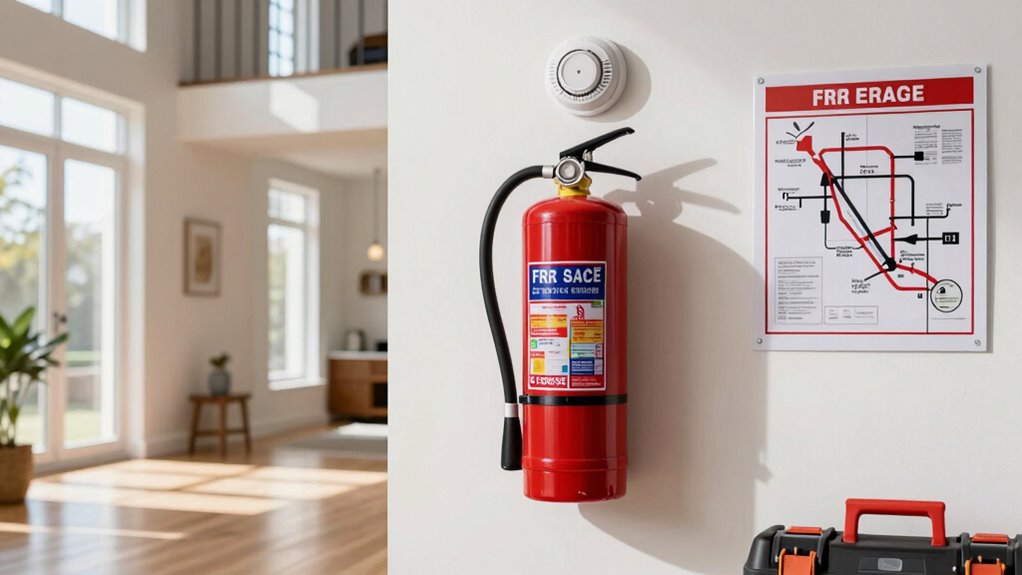
Practicing fire drills prepares your family for emergencies, but it’s equally important to confirm your fire safety equipment is in top condition.
Practicing fire drills is essential, but ensuring your fire safety equipment is fully functional is equally crucial.
Regular checks confirm your devices function effectively when needed.
- Fire extinguisher inspection: Verify pressure levels and confirm no obstructions block access.
- Smoke detector maintenance: Test monthly and replace batteries at least once a year.
- Emergency lighting: Check that exit lights are operational and replace bulbs as necessary.
Steps to Take After a Fire Incident Occurs
After a fire incident occurs, it’s essential to assess the situation immediately to secure safety and begin recovery.
First, confirm everyone’s accounted for and safe. Then, document the fire damage thoroughly with photographs and notes; this will be vital for your insurance claims.
Contact your insurance provider to report the incident and start the claims process as soon as possible. They’ll guide you on what documentation to provide and how to proceed with repairs.
Avoid entering the property until authorities declare it safe. Engage professionals for cleanup and restoration, as they can help mitigate further damage and guarantee compliance with safety standards.
Prioritize mental health support for yourself and your family during this challenging time.
Frequently Asked Questions
What Are the Legal Fire Safety Requirements for Multi-Story Homes?
You must adhere to fire safety regulations, ensuring building code compliance. This includes proper exits, smoke alarms, fire-resistant materials, and regular inspections. Neglecting these requirements can jeopardize safety and lead to legal consequences.
How Often Should I Replace Smoke Detector Batteries?
You should replace smoke detector batteries every six months, as most batteries have a lifespan of about one year. Regular detector maintenance guarantees peak performance and increases your safety in case of emergencies.
Can Pets Be Included in Fire Escape Plans?
Absolutely, pets should be included in your fire escape plans. Statistically, 40% of pet owners don’t have an evacuation strategy. Utilize emergency carriers for quick pet evacuation to guarantee everyone’s safety during a crisis.
What Should I Do if Trapped During a Fire?
If you’re trapped during a fire, stay low to avoid smoke, use your phone for emergency communication, and signal for help from windows. Remember your fire escape routes, and stay calm while awaiting rescue.
Are Fire Extinguishers Required on Every Floor?
Yes, fire extinguisher placement is essential for multi-story safety. You should have at least one extinguisher on every floor, ensuring easy access during emergencies. Regularly check them to maintain readiness for potential fire incidents.