When it comes to home security, misconceptions often lead you astray. Many homeowners assume that certain measures provide foolproof protection, but that’s rarely the case. For instance, you might think a high-resolution camera is all you need, or that a barking dog alone will deter intruders. Understanding the nuances behind these myths can greatly enhance your security strategy. But what should you really know about these common beliefs?
Do Alarm Systems Deter Burglars? Here’s What You Need to Know?

While many homeowners believe that alarm systems can effectively deter burglars, the reality is more nuanced.
Research indicates that alarm effectiveness varies considerably based on several factors, including the visibility of the system and the response time of local police. A highly visible alarm can serve as a deterrent, but if criminals perceive that the police response is slow, they might feel emboldened to act. Additionally, the use of advanced encryption protocols in wireless systems can help protect against hacking, further enhancing security.
In areas with frequent police patrols, the deterrent effect increases. However, if you rely solely on alarms without considering other security measures—like neighborhood vigilance or physical barriers—you may be underestimating your home’s vulnerability.
Ultimately, combining alarm systems with proactive community engagement can enhance your security strategy and better protect your freedom and property. Additionally, the integration of smart home technology with alarm systems can further enhance security by allowing for remote monitoring and control.
Are Neighborhood Watch Programs Effective Against Crime?
How effective are neighborhood watch programs in reducing crime rates? Studies suggest that these initiatives can greatly enhance crime reduction through increased community involvement. When residents actively participate, they create a sense of vigilance that deters potential criminals. The visibility of engaged neighbors makes it harder for wrongdoing to go unnoticed, fostering a safer environment.
Moreover, these programs often improve communication between residents and local law enforcement, allowing for quicker responses to suspicious activities.
However, effectiveness can vary depending on the commitment level of participants and the presence of other safety measures. Ultimately, while neighborhood watch programs aren’t a foolproof solution, they can contribute positively to community safety when combined with other crime prevention strategies.
Common Misconceptions About Home Security Cameras?
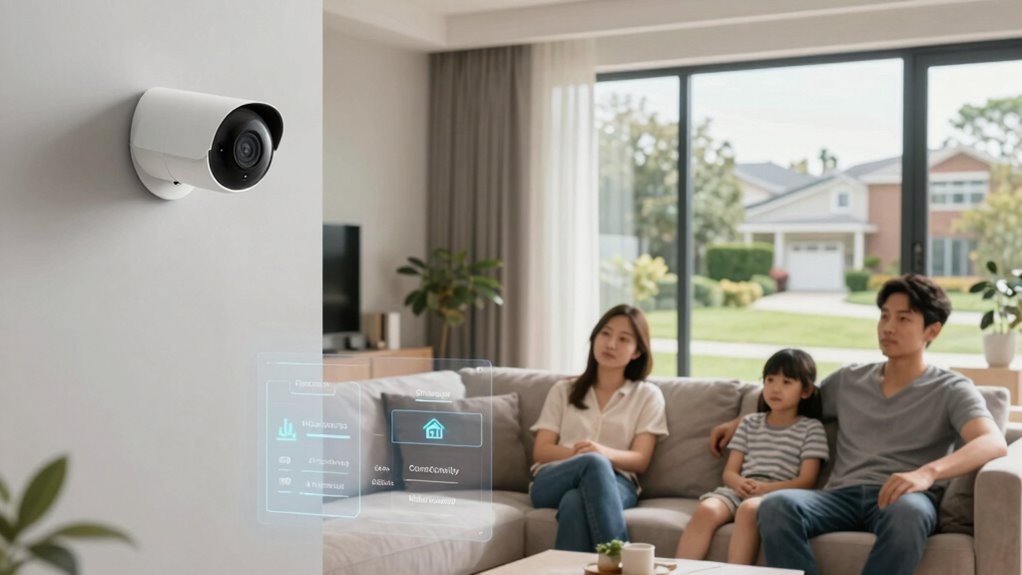
What do you really know about home security cameras? Many believe that simply installing cameras guarantees safety, but misconceptions abound.
First, camera placement is essential; placing them in obvious spots can deter intruders, but hidden cameras can catch unexpected actions. Additionally, strategic landscaping can obstruct blind spots while balancing privacy and security, ensuring cameras capture essential details for identifying potential threats.
Furthermore, many think all video storage solutions are the same. In reality, cloud storage offers remote access while local storage may limit your accessibility.
Some assume that higher resolution means better security, but without proper placement, even the clearest footage won’t help.
Additionally, many overlook the importance of integrating cameras with your overall security system. Wireless security systems provide flexibility and can enhance the effectiveness of your surveillance setup.
Understanding these factors empowers you to make informed decisions, enhancing your home’s security and promoting your freedom to feel safe.
Do Dogs Really Protect Your Home? Let’s Separate Fact From Fiction?
When considering your home security options, many people wonder if dogs can provide effective protection. While it’s true that certain security breeds, like German Shepherds or Rottweilers, can deter intruders through their sheer presence, not all dogs possess the same protective instincts.
Understanding dog behavior is essential; a dog’s temperament, training, and socialization play significant roles in its effectiveness as a guard. Some breeds are naturally more protective, but even the most vigilant dog can be ineffective if not adequately trained. Additionally, integrating smart devices into your home security system can enhance overall safety and provide additional layers of protection.
A barking dog may alert you to danger but won’t necessarily confront a threat. Ultimately, while dogs can enhance your security, relying solely on them without other measures may not be wise. A comprehensive home security system, which includes safeguarding your home against intruders, is essential for ensuring maximum protection. Consider a thorough approach for best safety.
How to Choose the Right Security Camera for Your Home?

Choosing the right security camera for your home can feel overwhelming, especially with the multitude of options available today.
First, identify your needs—do you want indoor or outdoor cameras? Look for essential camera features like resolution, night vision, and motion detection. High-definition cameras provide clearer images, while night vision guarantees visibility in low light. Additionally, ensure your chosen camera includes high-resolution video capabilities for effective monitoring.
Consider wireless options for easier installation; they often require minimal wiring and can be placed in strategic locations without hassle. Don’t forget to check the camera’s compatibility with your existing smart home system. Additionally, prioritize features such as two-way audio to enhance communication and reassurance for users.
Finally, review user feedback for real-world insights on performance and reliability. By keeping these factors in mind, you can confidently select a camera that enhances your home security without compromising your freedom.
Frequently Asked Questions
Can Leaving Lights on Deter Burglars Effectively?
Leaving lights on can deter burglars, but it’s not foolproof. Effective light strategies, like motion sensors or timers, enhance burglary deterrence. You should consider a combination of approaches for ideal home security.
Is It Necessary to Have a Security System in a Safe Neighborhood?
You might think a security system’s unnecessary in a safe neighborhood, but crime statistics show even low-crime areas face risks. Investing in one enhances your peace of mind, keeping your freedom intact and worries at bay.
Do Smart Home Devices Increase Vulnerability to Hacking?
Yes, smart home devices can increase vulnerabilities to hacking. To guarantee your security, prioritize strong passwords, regular updates, and network segmentation. Implementing effective hacking prevention measures safeguards your privacy while enjoying the convenience of smart technology.
How Often Should I Change My Security System Codes?
Think of your security codes like a fresh coat of paint; they need regular updates to stay effective. Change your codes every three to six months, or after significant security updates, to maintain ideal protection.
Are DIY Security Systems as Reliable as Professional Ones?
DIY security systems can be reliable, but they often lack the thorough support of professional monitoring. You’ll need to weigh your comfort with technology against the peace of mind that professional services provide.