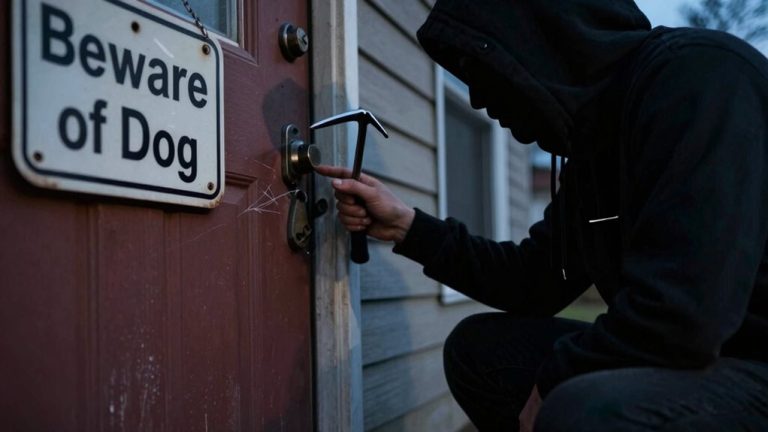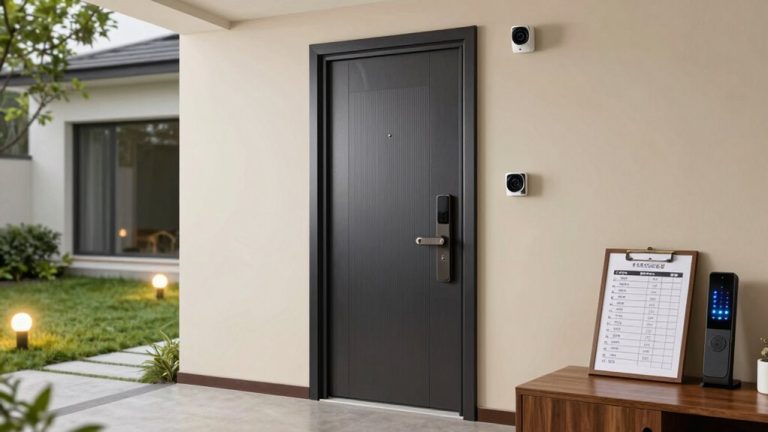
Consider a homeowner who installs an extensive security system, including cameras and motion sensors. Insurance companies analyze this scenario, noting a significant drop in theft rates for similar homes. This correlation raises vital questions about how security features influence your insurance premiums. What specific systems could benefit you? And how can you maximize these advantages to ultimately reduce your costs? The answers may reshape your approach to home security and insurance.
The Link Between Home Security and Insurance Risk

As home security measures increase, so does the potential to lower your insurance risk. Enhanced home safety features, like alarm systems and surveillance cameras, directly influence your risk assessment by reducing the likelihood of theft, vandalism, or damage. A home security system can prevent life-threatening encounters between intruders and residents, further ensuring safety.
Insurance companies rely on statistical data to determine premiums, and properties with robust security systems often qualify for lower rates. By implementing these measures, you not only secure your home but also take control of your financial responsibilities. A thorough risk assessment considers both the presence of security devices and the overall crime rate in your area, leading to a more favorable insurance profile. Additionally, the presence of surveillance cameras can significantly deter potential break-ins, further enhancing your security profile. Ultimately, investing in home security empowers you to safeguard your freedom while reaping financial benefits.
Types of Security Systems That Can Lower Your Rates
While various security systems exist, some are particularly effective at lowering your insurance rates. By investing in specific technologies, you not only enhance your home security but also potentially reduce your premiums.
Investing in effective security systems can enhance your home safety and potentially lower your insurance premiums.
Consider these systems:
- Alarm systems: Intrusion alerts can deter burglars and signal your insurer of proactive measures.
- Surveillance cameras: Visible cameras can discourage crime, making your property less of a target. Their presence can serve as a strong deterrent message to potential intruders.
- Motion detectors: These enhance perimeter security, alerting you to any unauthorized access.
- Smart locks: Advanced access control reduces the risk of break-ins and can qualify you for discounts.
Integrating fire alarms and security monitoring further boosts your home’s safety profile, making it essential to choose the right combination for maximum savings. Additionally, wireless security systems provide flexible installation options that can enhance your overall security setup.
How to Leverage Security Features to Lower Your Insurance Premiums

To effectively lower your insurance premiums, it’s crucial to understand how various security features can influence your insurer’s assessment of risk.
Begin by implementing significant security upgrades, such as advanced alarm systems, deadbolts, and surveillance cameras. These elements not only deter crime but also demonstrate to insurers that you’re proactive about safeguarding your home. Additionally, integrating smart home technology can further enhance your security and show insurers your commitment to safety.
During insurance negotiations, present documentation of these upgrades to strengthen your case for reduced premiums. Insurers often offer discounts for homes equipped with reliable security measures, reflecting a lower risk profile. Additionally, professional monitoring can significantly enhance your home security, providing peace of mind and potentially leading to further discounts on your insurance premiums.
How Smart Technology Enhances Home Security
Incorporating smart technology into your home security system not only enhances safety but also optimizes convenience and efficiency.
By leveraging devices like smart locks and surveillance cameras, you create a more responsive and adaptable security environment.
Here are some benefits to take into account:
- Remote Access: Control your locks and cameras from anywhere, offering peace of mind.
- Alerts and Notifications: Receive real-time updates on suspicious activity, allowing for immediate action. Additionally, integration with other security devices can enhance overall protection and provide a more comprehensive safety network.
- Automated Scheduling: Set schedules for locks and cameras, ensuring security is maintained effortlessly.
- Integration with Other Devices: Sync with smart home systems for seamless operation and enhanced functionality.
Additionally, systems like Simplisafe Security Systems ensure that voice commands can be used to arm your security system for enhanced convenience.
How to Check Your Home Security for Insurance?

Smart technology greatly boosts your home security, but it’s important to make sure that your insurance provider recognizes these enhancements.
Start with a thorough security assessment of your home. Identify any smart devices like cameras or alarms that improve safety. Document each device’s specifications, installation details, and monitoring services. Additionally, consider adding affordable surveillance systems that can enhance your overall security measures.
Conduct a comprehensive security evaluation, noting all smart devices to enhance your home’s safety and insurance profile.
Next, contact your insurance company for insurance verification. Share your findings and inquire about potential discounts for upgraded security features. Make certain you understand how these devices impact your overall risk profile. Additionally, consider how 24/7 surveillance can enhance your security measures and potentially lower your insurance costs.
Regularly update your insurers on any changes to your security system, as this can greatly influence your premiums. By actively managing both your home security and insurance, you empower yourself to maximize safety and minimize costs.
Common Misconceptions About Home Security and Insurance
Many homeowners believe that investing in security systems will automatically reduce their insurance premiums, but that’s not always the case.
You might also think that your insurance policy covers all potential risks, but exclusions often leave you vulnerable.
Additionally, overlooking current burglary rates can skew your perception of risk, affecting both your security choices and insurance decisions.
Security Systems Save Money
While it’s common to think that installing a security system is just another expense, the reality is that these systems can lead to significant savings in insurance premiums.
Insurers often offer incentives for homeowners who take proactive measures to protect their property. By integrating technology like smart alarms and video surveillance, you enhance fire prevention and crime reduction efforts. This not only safeguards your home but can also increase your property value.
Consider these benefits:
- Reduced insurance premiums through insurance incentives
- Enhanced neighborhood watch capabilities
- Improved fire prevention and safety measures
- Increased property value with advanced security features
Investing in a security system can empower you with both peace of mind and financial savings.
Insurance Covers All Risks
Investing in a security system can considerably lower your insurance premiums, but it’s important to understand that insurance doesn’t cover every risk associated with home security.
Many believe that a thorough policy offers universal coverage, but that’s a misconception. Insurance typically focuses on specific risks identified during a risk assessment, meaning certain scenarios may remain unprotected.
For instance, natural disasters, intentional damage, or specific high-value items mightn’t fall under your standard coverage. This limitation underscores the need for clear communication with your insurer about what’s included in your policy.
Balancing effective home security measures with an understanding of your insurance coverage can empower you to make informed decisions and enhance your overall safety strategy.
Burglary Rates Don’t Matter
Although you might think burglary rates directly influence your home security decisions, this assumption can lead to significant misunderstandings about insurance and risk. Many homeowners rely on burglary statistics to determine their security needs, but this isn’t the whole picture.
Consider these points:
- Insurance assumptions often prioritize the quality of security measures over mere burglary rates.
- High-risk areas may have effective security systems that deter crime, mitigating potential losses.
- Insurers evaluate individual risk factors, such as claims history and property value, not just crime statistics.
- Investing in extensive security can lead to more favorable insurance premiums, regardless of local burglary rates.
Understanding these nuances can empower you to make informed decisions about your home security and insurance coverage.
Key Questions to Ask Your Insurance Agent About Home Security?
When discussing home security with your insurance agent, it’s essential to understand which security features they consider when evaluating your policy.
You should ask about potential discounts for implementing specific security measures and how these features might impact your premium rates.
This knowledge can help you make informed decisions about your home security investments.
Security Features Considered
Understanding the security features of your home is essential, especially since they can greatly impact your insurance premiums and coverage options.
When discussing your home security with your insurance agent, consider asking about the following:
- How do security cameras influence my risk assessment?
- What types of alarm systems are recognized by insurers?
- Are there specific monitoring services that improve my coverage?
- How do door and window locks factor into premium calculations?
Discounts for Security Measures
After evaluating your home’s security features, it’s important to explore how these measures can translate into tangible financial benefits.
You should inquire about potential discounts for the security systems you’ve implemented. Many insurers offer premium adjustments based on the results of security audits, which assess the effectiveness of your home’s protective measures.
Ask your insurance agent if your alarm systems, surveillance cameras, or smart locks can qualify for reductions in your premiums. Understanding the specifics can help you maximize your savings while enhancing your home’s safety.
Don’t hesitate to discuss how these security investments not only provide peace of mind but also positively influence your insurance costs.
Ultimately, being proactive can lead to both security and financial freedom.
Impact on Premium Rates
Evaluating the impact of your home security measures on insurance premium rates requires asking specific, targeted questions. Understanding how your security setup influences premium adjustments hinges on effective communication with your insurance agent.
You’ll want to clarify how your home security features affect their risk assessment models. Consider discussing these key points with your agent:
- What specific security measures lead to premium reductions?
- How often do they reassess risk based on new security installations?
- Are there differences in premium adjustments for various security systems?
- Can you provide examples of clients who benefited from enhanced security?
Future Trends in Home Security and Insurance Models
As technology continues to evolve, the future of home security and insurance models is set to transform dramatically, making it essential for homeowners to stay informed about emerging trends.
You’ll likely see the integration of emerging technologies like smart home devices and AI-driven surveillance systems that enhance security. These advancements not only deter crime but also provide insurers with valuable data.
Predictive analytics will become a critical tool, allowing insurers to assess risk more accurately based on real-time information from your home’s security measures. This could lead to tailored policies that reflect your actual risk, rewarding you for proactive security investments.
Predictive analytics will enable insurers to create personalized policies, rewarding homeowners for enhanced security measures.
Staying ahead of these trends will empower you to make informed decisions, ultimately enhancing both your safety and financial freedom.
Frequently Asked Questions
How Often Do Insurance Companies Update Their Risk Models?
Insurance companies typically update their risk assessment models annually, but some do so more frequently, especially after significant events. Staying informed about these updates can help you understand your coverage and potential savings better.
Can Home Security Systems Prevent All Types of Insurance Claims?
Home security systems can’t prevent all claims, but they greatly enhance preventive measures, leading to claim reduction. By deterring theft and damage, they lower risks, ultimately benefiting you with potential discounts on insurance premiums.
What Happens if I Don’T Disclose My Security System to My Insurer?
Neglecting security disclosure can feel like sailing without a compass. If you don’t inform your insurer about your security system, you risk facing consequences like denied claims, higher premiums, or even policy cancellation. Stay informed.
Are There Specific Types of Insurance That Prioritize Home Security?
Yes, homeowners insurance often prioritizes home security. Many policies offer security discounts for alarm systems and surveillance cameras, encouraging you to invest in safety and ultimately lowering your premiums while enhancing your peace of mind.
Do Security Systems Affect Renters’ Insurance Rates as Well?
Yes, security systems can considerably lower your renters’ insurance rates. By investing in these protective measures, you access security system benefits, translating into enticing discounts that free you from excessive costs and enhance your peace of mind.