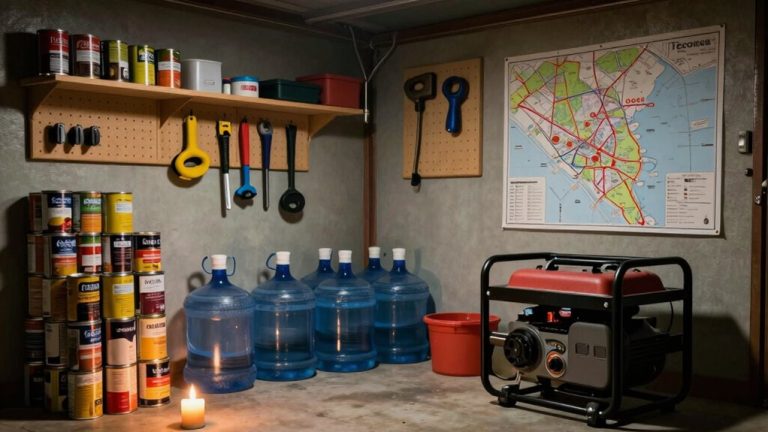
Conducting a home fire drill that truly works requires careful planning and execution. It’s not just about going through the motions; it’s about ensuring everyone knows what to do in an emergency. You’ll want to establish clear signals, assign roles, and familiarize everyone with escape routes. But there are also common pitfalls to avoid. Let’s explore how to make your fire drill effective and engaging for everyone involved.
How to Conduct a Home Fire Drill Effectively
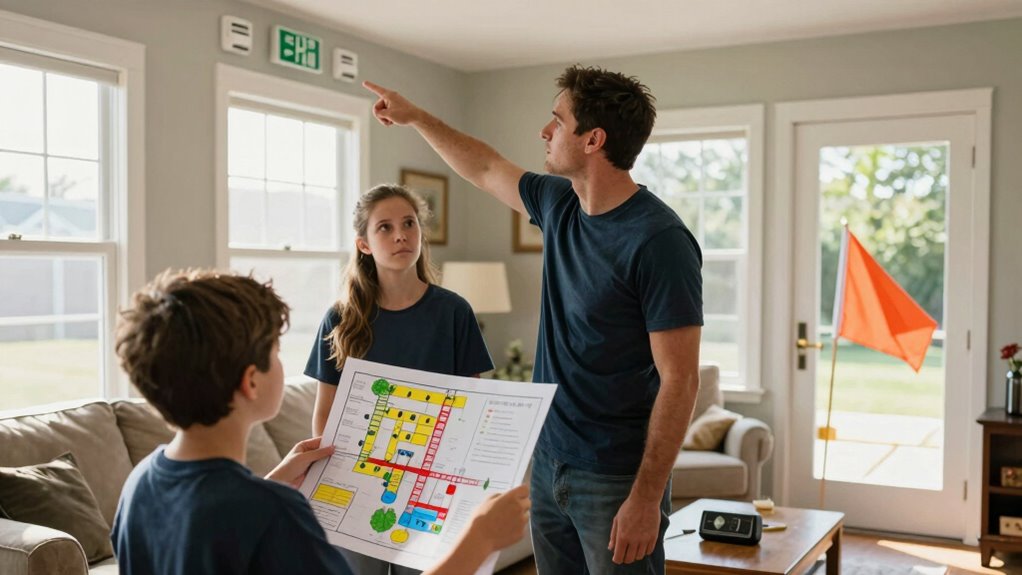
When planning a home fire drill, it’s crucial to approach it with purpose and clarity to guarantee everyone knows what to do in an emergency.
Start by choosing a specific time and creating a realistic scenario. Make sure everyone understands the importance of fire safety and their roles during the drill.
Choose a specific time and craft a realistic scenario to ensure everyone understands their roles and the significance of fire safety.
Communicate the signal for evacuation, whether it’s a loud alarm or a whistle.
Once the drill’s complete, gather everyone and discuss how it went—this is where drill feedback becomes invaluable. Encourage participants to share their thoughts on what worked and what didn’t.
Use this feedback to improve future drills, ensuring everyone feels confident and prepared. Empower your household with knowledge; after all, freedom comes from safety and preparedness. Additionally, ensure that you have working smoke alarms in place, as they significantly increase survival chances during a fire.
How to Create a Fire Escape Plan Everyone Understands
Creating a clear fire escape plan is essential for ensuring everyone knows what to do in an emergency.
Start by identifying multiple escape routes from your home and make sure everyone is aware of them.
Assign specific roles to each family member, so everyone understands their responsibilities during a drill or an actual fire.
Identify Escape Routes
To guarantee everyone knows how to escape safely in case of a fire, it’s essential to identify clear routes that everyone can understand.
Start by creating a detailed escape plan that outlines the fastest exits from each room. Make sure to include multiple routes, especially if a primary exit is blocked.
Use route mapping to mark these paths on a diagram of your home, highlighting key features like doors and windows.
Practice these routes regularly so everyone feels confident and knows exactly where to go.
Discuss your plan with family members, ensuring they understand their significance.
Assign Roles Clearly
Assigning roles clearly is essential for an effective fire escape plan. When everyone knows their responsibilities, you can guarantee a smooth evacuation.
Start by discussing role assignments with your family. Assign specific tasks based on age and abilities, so everyone contributes to safety.
- Designate a leader to guide the family during the drill.
- Identify someone responsible for checking rooms for stragglers.
- Choose a person to call emergency services once outside.
Choosing Meeting Points After Evacuating

Once everyone has evacuated your home, it’s essential to have a designated meeting point where everyone can gather safely.
Choose a meeting location that’s a safe distance from your house, ideally visible to all family members. This spot should be consistent, so everyone knows where to go during an emergency.
Select a visible, consistent meeting spot away from your home to ensure everyone knows where to gather during an emergency.
It’s vital to communicate this location clearly during your fire drill. Establishing accountability measures at this meeting point guarantees that you can count heads and confirm everyone is safe—this adds a layer of reassurance.
Whether it’s a neighbor’s yard, a tree, or a street sign, make sure everyone knows the plan. Regularly revisit this location in your drills to reinforce its importance and keep your family prepared.
How Often Should You Schedule Fire Drills?
Establishing a regular schedule for fire drills is key to guaranteeing everyone in your household knows how to respond in an emergency. Aim to conduct fire drills at least twice a year to maintain awareness and readiness.
To keep everyone engaged and prepared, consider the following tips:
- Set specific dates for your drills and stick to them.
- Use scheduling reminders on your calendar or phone to guarantee you don’t forget.
- Encourage family discussions about the drills afterward to reinforce learning.
What to Communicate During a Fire Drill
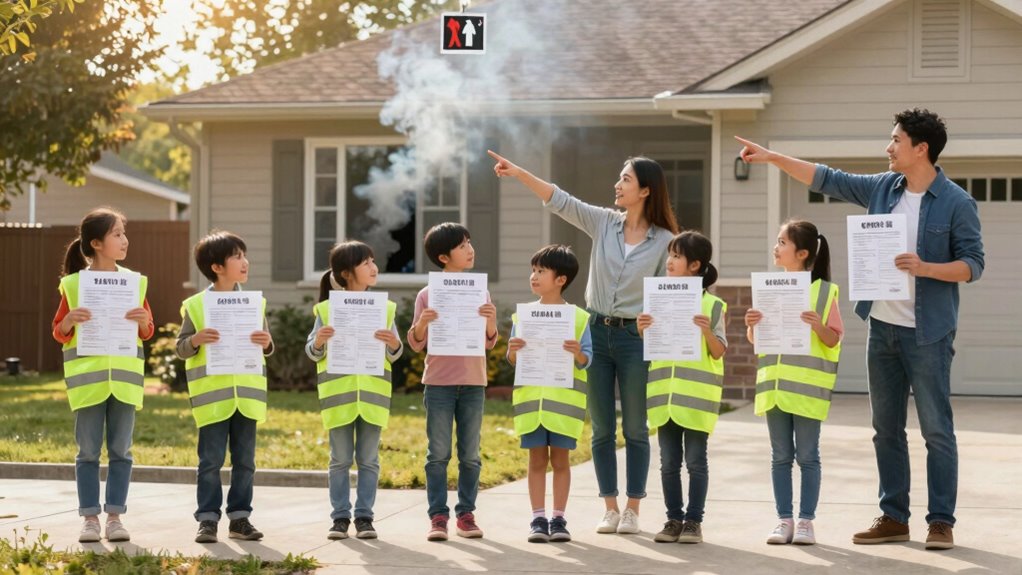
During a fire drill, it’s essential to communicate clear instructions to everyone involved.
Make certain everyone knows where to meet after evacuating and has access to emergency contact information.
This clarity helps guarantee everyone’s safety and makes the drill more effective.
Importance Of Clear Instructions
While you may think everyone knows what to do in a fire, clear instructions are essential for ensuring safety during a fire drill.
Without them, confusion can quickly arise, jeopardizing fire safety and emergency preparedness.
Make sure to communicate these key points:
- Escape Routes: Clearly outline the quickest paths to exit your home.
- Sound the Alarm: Remind everyone to activate the fire alarm immediately to alert others.
- Stay Low: Instruct participants to stay low to the ground to avoid smoke inhalation.
Designated Meeting Locations
As you prepare for a fire drill, it’s crucial to designate specific meeting locations where everyone can gather safely after evacuating the house.
Choose meeting location types that are easily accessible and away from potential hazards, like the street or a neighbor’s yard. Make sure everyone knows these spots, emphasizing outdoor safety to prevent accidents.
Communicate clearly about the importance of staying at the designated area until everyone is accounted for. This guarantees no one goes back into the house unnecessarily.
Encourage family members to practice reaching these locations quickly and efficiently. By instilling this habit, you’ll foster a sense of freedom and security, knowing your loved ones can respond effectively in an emergency.
Emergency Contact Information
It’s essential to have a plan for communicating emergency contact information during a fire drill.
Make certain everyone in your household knows who to reach out to and where to find your contact list. This guarantees you can connect with loved ones quickly and efficiently.
Here are some key points to cover:
- Familiarize everyone with emergency contacts: Make certain each person knows who to call, such as family members or trusted neighbors.
- Create a visible contact list: Place this list in a common area, like the fridge, so it’s easy to access during an emergency.
- Practice communication methods: Discuss how to reach these contacts, whether by phone, text, or other means, so everyone’s prepared.
Being proactive can make a world of difference in a crisis!
Common Mistakes to Avoid in Fire Drills
When planning a fire drill, overlooking common pitfalls can undermine your efforts to guarantee safety. One major mistake is falling for fire drill misconceptions, like thinking that one drill is enough. Regular practice is essential to keep everyone sharp.
Another issue is having unprepared participants; if they don’t know what to do, chaos can ensue. Make sure everyone understands the escape routes and how to react during a fire.
Additionally, don’t forget to time your drills. A realistic scenario helps gauge how quickly everyone can evacuate.
Finally, avoid making it feel like a chore. Keep it engaging and informative, so everyone sees the value in participating.
Involve Kids in Fire Drills for Better Preparedness
Involving kids in fire drills can greatly enhance your family’s preparedness and make the process more enjoyable. When children actively participate, they learn essential fire safety skills while having fun.
Here are a few ways to engage them:
- Incorporate fire safety games: Turn the drill into a fun competition, rewarding kids for completing tasks quickly and correctly.
- Use educational storytelling: Share stories about fire safety that capture their imagination, helping them remember important lessons.
- Assign roles: Give each child a specific responsibility during the drill, like checking exits or leading their siblings to safety.
Evaluating and Improving Your Fire Drill Process
To guarantee your fire drill is effective, regularly evaluating and improving the process is essential. After each drill, gather drill feedback from everyone involved.
Ask questions about what went well and what didn’t. Did everyone know their escape routes? Were there any obstacles? Use this information to identify improvement strategies.
Consider changing the timing of your drills to simulate various conditions, like nighttime or during meals. Revisit your emergency plan and make necessary adjustments based on the feedback you receive.
Frequently Asked Questions
What Should I Do if Someone Is Missing During a Fire Drill?
If someone’s missing during a fire drill, immediately activate your missing person protocol. Check accountability measures, inform emergency responders, and never re-enter the building until it’s deemed safe. Prioritize everyone’s safety above all else.
How Can I Help Pets During a Fire Evacuation?
To help your pets during a fire evacuation, make certain they’re familiar with carriers, keep emergency supplies ready, and practice pet safety by including them in your emergency preparations. Stay calm and guide them to safety.
Are There Different Drills for Various Emergencies?
Yes, there are different drills for emergencies. You should practice tornado drills and earthquake preparedness regularly. Each drill focuses on specific safety measures, ensuring you and your loved ones are ready for various situations. Stay prepared!
Can I Use a Timer for Fire Drills?
Yes, using a timer for fire drills has great benefits. It helps you gauge drill timing effectively, ensuring everyone understands urgency. This practice enhances preparedness, empowering you and your loved ones to respond confidently in emergencies.
What Age Is Appropriate for Kids to Participate in Drills?
Kids as young as preschool age can participate in drills, helping them learn essential safety skills. As they grow into teenagers, their roles can evolve, taking on leadership in guiding younger siblings through the process.