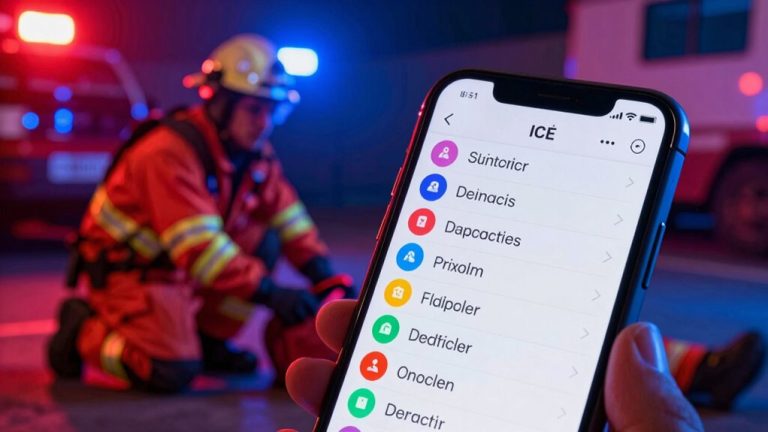
Many people underestimate the impact of stalking until they experience it firsthand. It’s essential to recognize the signs early and take proactive steps to protect yourself. Trusting your instincts is key, but knowing how to act can make all the difference. Your safety should always come first, and there are effective strategies you can implement right away. What you do next could be critical in ensuring your peace of mind and security.
Key Takeaways
- Trust your instincts and prioritize personal safety; if something feels off, take immediate action to protect yourself.
- Document all stalking incidents meticulously, noting dates, times, and descriptions to create a comprehensive record.
- Inform trusted friends or family members about your situation for support and awareness of your safety concerns.
- Contact law enforcement to report stalking behaviors and inquire about protective or restraining orders for legal protection.
- Develop a personal safety plan, including emergency contacts, safe zones, and technology tools for monitoring and alerting others.
How to Identify Stalking Behaviors Early
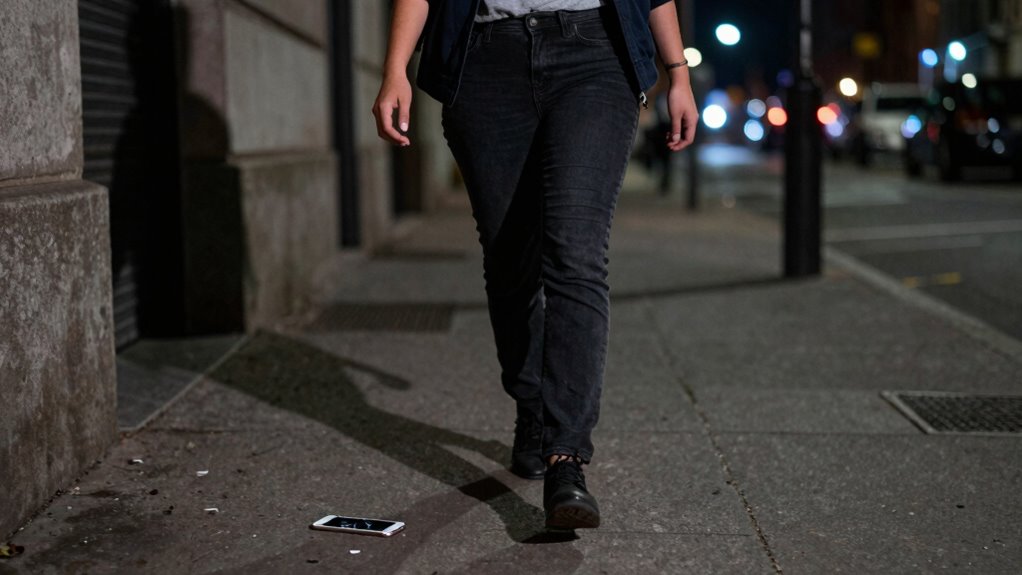
Have you ever felt uneasy about someone’s relentless attention? It’s essential to recognize warning signs early to protect your freedom.
Pay attention to behavior patterns that seem excessive or invasive. If someone frequently shows up where you are, monitors your social media, or sends repeated messages despite your lack of interest, these can be red flags.
Be vigilant of excessive or invasive behaviors; they often signal a lack of respect for your boundaries.
You might notice they disregard your boundaries or respond negatively when you try to assert them. Trust your instincts; if something feels off, it probably is.
Documenting these behaviors can help clarify the situation. Remember, you deserve to feel safe and respected in your relationships. Identifying these behaviors early can empower you to take control and safeguard your well-being.
Immediate Actions to Take When You Feel Threatened
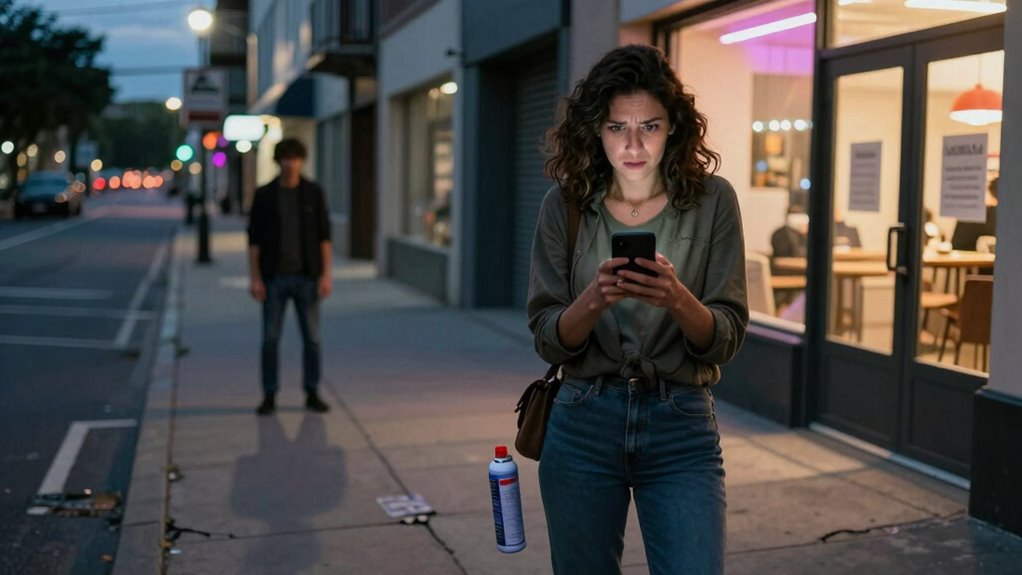
When you feel threatened, trusting your instincts is critical; they’re often your best guide.
Documenting everything carefully can provide important information if you need to seek help.
Trust Your Instincts Immediately
Trusting your instincts is essential the moment you sense something’s off. Your instinct cues are your body’s way of signaling danger, and it’s vital to listen.
If your intuition awareness tells you a situation feels wrong, don’t dismiss it. Trust yourself and take immediate action. This could mean changing your route, seeking a safe space, or contacting someone for help.
Your safety is paramount, and acting on those gut feelings can make a significant difference. Remember, you have the right to feel secure and free in your surroundings.
Document Everything Carefully
As soon as you sense that something isn’t right, it’s essential to start documenting everything related to the situation.
This evidence collection can be key in dealing with stalker behavior. Here’s what to focus on:
- Keep a detailed log: Note the dates, times, and descriptions of any incidents or interactions that make you feel uncomfortable.
- Save all communications: Screenshots of texts, emails, or social media messages can provide necessary proof of the stalker’s actions.
- Capture any physical evidence: If you notice unwanted gifts or messages left for you, take pictures to document them.
Reach Out For Help
Feeling threatened can be overwhelming, but reaching out for help is an essential step in protecting yourself. You don’t have to face this alone—lean on your support networks, whether friends, family, or trusted colleagues.
Share your experiences and feelings; they can provide emotional backing and practical advice. If you’re struggling to cope, consider seeking professional counseling. A trained therapist can help you process your emotions, develop coping strategies, and regain a sense of control over your life.
How to Create Your Personal Safety Plan

Creating a personal safety plan is essential, especially when dealing with a stalker, as it empowers you to take proactive steps in protecting yourself.
Here are three key components to include in your plan:
- Identify Emergency Contacts: List trusted friends, family members, or local authorities you can reach out to in case of an emergency. Make sure they know your situation.
- Conduct Safety Drills: Practice scenarios where you may need to escape or seek help. Familiarity with these drills can boost your confidence and readiness.
- Establish Safe Zones: Identify places where you can go if you feel threatened, like a friend’s house or a public area.
Using Technology for Safety
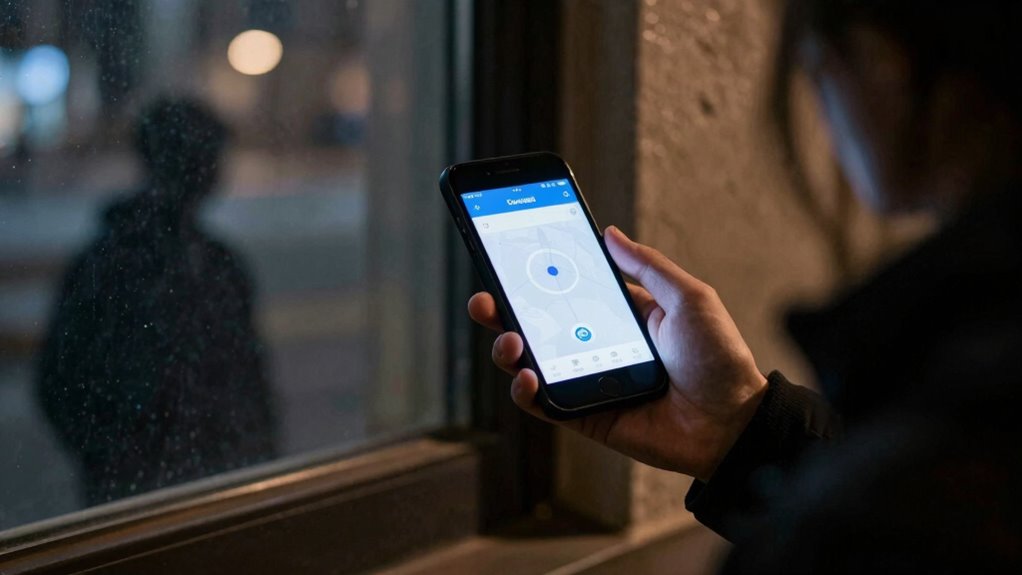
When facing a stalker, using technology can be a powerful way to enhance your safety. You can take advantage of location sharing apps, install security camera systems, and utilize emergency contact features to stay connected and protected. These tools not only help you feel more secure but also provide peace of mind as you navigate this challenging situation. Additionally, integrating Google Home compatible security systems can further enhance your home security and provide immediate alerts in case of any suspicious activity. Furthermore, utilizing motion sensors can effectively detect movement around your property, adding an extra layer of protection.
Location Sharing Apps
As you navigate the challenges of dealing with a stalker, utilizing location sharing apps can provide an added layer of security and peace of mind.
These tools can help you stay connected with trusted friends or family, ensuring someone knows where you’re at all times. Here are some app recommendations to take into account:
- Find My Friends: Perfect for sharing your location with loved ones, ensuring they can track your safety.
- Life360: Offers location permissions and alerts when you arrive at a specific destination, adding extra reassurance.
- Glympse: Enables temporary location sharing, allowing you to control who sees your whereabouts.
Security Camera Systems
While location sharing apps can enhance your safety, integrating security camera systems into your home can provide an even stronger layer of protection.
These security measures not only deter potential intruders but also give you peace of mind. By employing surveillance technology, you can monitor your surroundings in real-time, ensuring that you’re always aware of what’s happening. Placing cameras at entry points increases your ability to capture any suspicious activity directly at your doors and windows.
Many modern systems allow you to access live feeds directly from your smartphone, giving you the freedom to stay connected even when you’re away. Additionally, having recorded footage can be invaluable if you ever need to report suspicious activity. Ensuring that your cameras are positioned to eliminate blind spots can significantly enhance the effectiveness of your surveillance system.
Investing in a reliable security camera system empowers you to take control of your safety and enhances your overall sense of security.
Emergency Contact Features
In today’s fast-paced world, having emergency contact features readily available on your devices can be a lifesaver.
You deserve to feel safe and empowered, and technology can help you achieve that. Here are three ways to utilize emergency contacts and safety apps effectively:
- Set Up Speed Dial: Program your most trusted contacts for quick access. In emergencies, every second counts.
- Use Safety Apps: Download apps that allow you to share your location with emergency contacts at the push of a button.
- Create an Emergency Plan: Discuss with your contacts how to respond if you feel threatened, ensuring everyone knows their role.
How to Document and Report Stalking Incidents?
Documenting and reporting stalking incidents can feel overwhelming, but taking these steps is essential for your safety and well-being.
Start by keeping detailed incident logs. Write down dates, times, locations, and descriptions of each encounter. This log can be important when talking to authorities.
Collect evidence, like screenshots of messages, photos, or videos, to support your claims. Make copies of any relevant correspondence and save them in a secure place.
When you report the incidents, present your logs and evidence clearly and calmly. Reach out to law enforcement or a trusted advisor for guidance on next steps.
Find Support and Resources
Finding support and resources is essential when dealing with a stalker, as you don’t have to face this challenge alone.
Finding support and resources is crucial when facing a stalker; remember, you’re not alone in this struggle.
Connecting with others who understand your situation can provide comfort and guidance. Here are a few options to reflect upon:
- Support Groups: Look for local or online support groups where you can share experiences and learn from others who’ve faced similar challenges.
- Legal Resources: Consult with legal professionals who specialize in stalking cases to understand your rights and options for protection.
- Hotlines and Helplines: Reach out to dedicated organizations that offer immediate assistance and advice tailored to your needs.
Frequently Asked Questions
What Should I Do if My Stalker Is Someone I Know?
If your stalker is someone you know, trust your instincts and prioritize your safety. Document incidents meticulously, share your concerns with trusted friends or authorities, and consider establishing clear boundaries to reclaim your freedom.
Can I File a Restraining Order Against My Stalker?
Yes, you can file a restraining order against your stalker. Start the restraining order process by gathering legal documentation that supports your case. It’s crucial to protect your freedom and guarantee your safety. You deserve peace.
How Can I Support a Friend Who Is Being Stalked?
Like a lighthouse in a storm, you can offer your friend emotional support and help them with safety planning. Listen to their fears, validate their feelings, and encourage them to take protective measures for their freedom.
What Are the Legal Consequences for Stalking in My Area?
Stalking laws vary by state, and local statutes often define harassment and penalties. You should report incidents to authorities, as consequences can include fines, restraining orders, or even imprisonment, ensuring your safety and peace of mind.
How Can I Recognize if I Am Overreacting to Someone’s Behavior?
You’re not overreacting if you notice behavioral cues that trigger strong emotional responses. Trust your instincts; if someone’s actions make you uncomfortable, it’s important to prioritize your feelings and seek support from trusted friends.