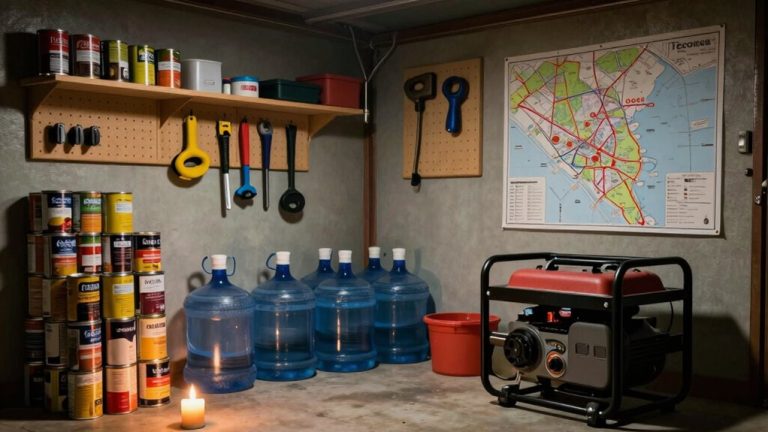
When the power goes out, knowing how to safely use backup power is essential for your safety and comfort. Placing your generator outdoors, using proper extension cords, and following manufacturer instructions are just the beginning. It’s also important to take into account carbon monoxide risks and maintain your equipment regularly. Understanding these guidelines can make a significant difference when you experience an outage. So, what steps can you take to guarantee your backup power plan is effective and secure?
Essential Safety Guidelines for Backup Power
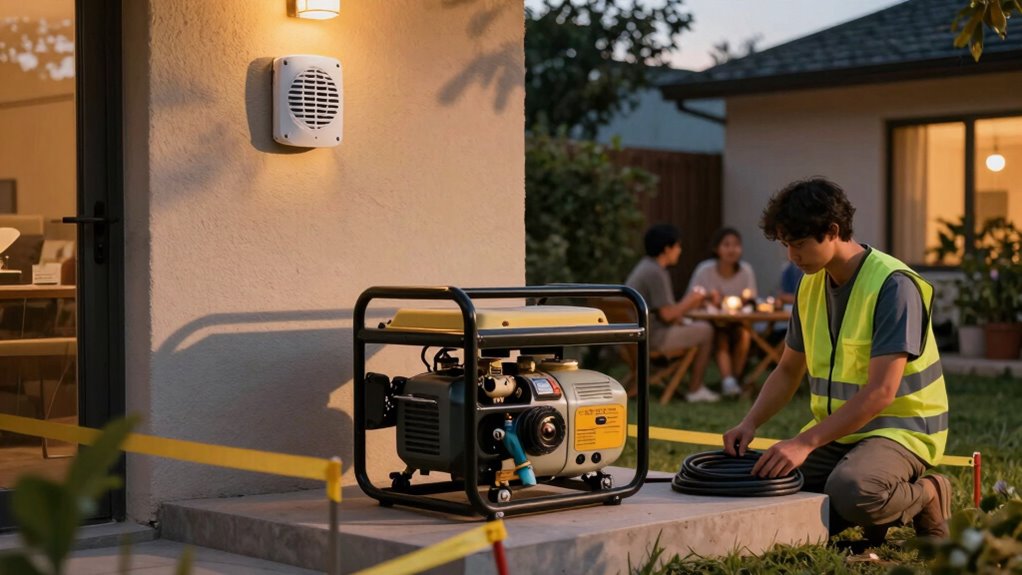
When using backup power, it’s crucial to prioritize safety to prevent accidents and injuries.
Start by placing your generator outdoors, away from doors and windows, to avoid carbon monoxide buildup. Guarantee proper ventilation and never run it inside your home or garage.
Place your generator outdoors, away from doors and windows, to prevent carbon monoxide buildup and ensure proper ventilation.
Use heavy-duty extension cords rated for outdoor use, confirming they’re in good condition to prevent electrocution. Always follow the manufacturer’s instructions for your generator, and never overload it; doing so can lead to dangerous situations.
Invest in surge protectors to safeguard your devices.
Finally, keep a fire extinguisher nearby, and familiarize yourself with its use.
How to Choose the Right Backup Power Option for Your Needs
To choose the right backup power option, start by evaluating your power requirements.
Consider how much energy you’ll need to keep essential devices running during an outage.
Next, assess the fuel options available to you, as this will impact both convenience and efficiency.
Assess Power Requirements
Choosing the right backup power option starts with accurately evaluating your power requirements. Understanding your power consumption is key to ensuring you have enough energy for essential devices during outages.
To assess your needs:
- List Essential Appliances: Identify which appliances you can’t live without, like refrigerators, lights, and medical devices.
- Calculate Wattage: Check the wattage of each appliance to determine the total power consumption needed.
- Consider Energy Efficiency: Look for energy-efficient models that can reduce overall power usage, saving you money and fuel in the long run.
Evaluate Fuel Options
Selecting the right fuel option for your backup power system is essential, as it directly impacts performance and convenience during outages.
Consider various fuel types, such as gasoline, propane, or diesel, each with its own benefits and drawbacks. Gasoline is widely available but has a short shelf life, while propane offers better storage longevity and is cleaner burning. Diesel systems are efficient but require more extensive fuel storage solutions.
Evaluate your space and safety needs for fuel storage, confirming you follow local regulations.
Think about how often you’ll need to refuel and the ease of access to your chosen fuel type. By carefully evaluating these factors, you’ll ensure your backup power system is reliable and ready when you need it most.
Assess Your Backup Power Needs Before an Outage
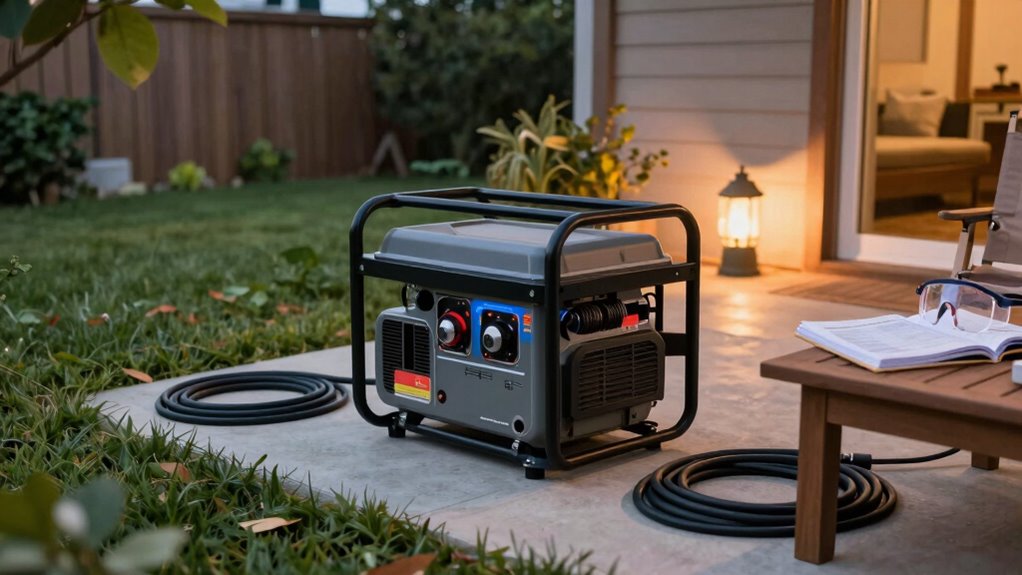
Before an outage hits, it’s vital to identify which appliances you can’t live without.
Once you know your essentials, calculate their power requirements to guarantee your backup system can handle them.
This preparation will help you stay comfortable and safe during any power interruption.
Identify Essential Appliances
How can you determine which appliances are necessary during a power outage?
First, you need to focus on essential appliance identification to guarantee your comfort and safety. Start by listing your critical devices, and prioritize power needs accordingly.
Here are three key appliances to take into account:
- Refrigerator/Freezer: Keeping food fresh is crucial during outages.
- Medical Equipment: If you rely on devices like oxygen machines, they must be powered.
- Communication Devices: Cell phone chargers and radios keep you connected and informed.
Calculate Power Requirements
Calculating your power requirements is essential for guaranteeing your backup system can handle your essential appliances during an outage.
Start by identifying the wattage of each appliance you need to power. You can usually find this information on the device label or in the user manual.
Once you have the wattage, sum up the total power consumption of all the devices. Don’t forget to account for starting watts, as some appliances require more power to start than to run.
Add a buffer to your total for safety—aim for about 20% more than your calculated wattage. This way, you’ll guarantee your backup system can handle the load without overloading, giving you the freedom to enjoy essential comforts during outages.
Ensure Safe Generator Use
While using a generator can provide essential backup power during outages, it’s crucial to follow safety guidelines to prevent accidents.
To guarantee safe generator use, keep the following points in mind:
- Generator Placement: Always place your generator outdoors, at least 20 feet from your home. This minimizes the risk of carbon monoxide poisoning.
- Fuel Storage: Store fuel in approved containers away from heat sources and out of reach of children. Never refuel the generator while it’s running.
- Electrical Connections: Use heavy-duty extension cords that are rated for outdoor use and verify they’re properly connected to prevent overloading.
Tips for Installing and Maintaining Your Home Standby System
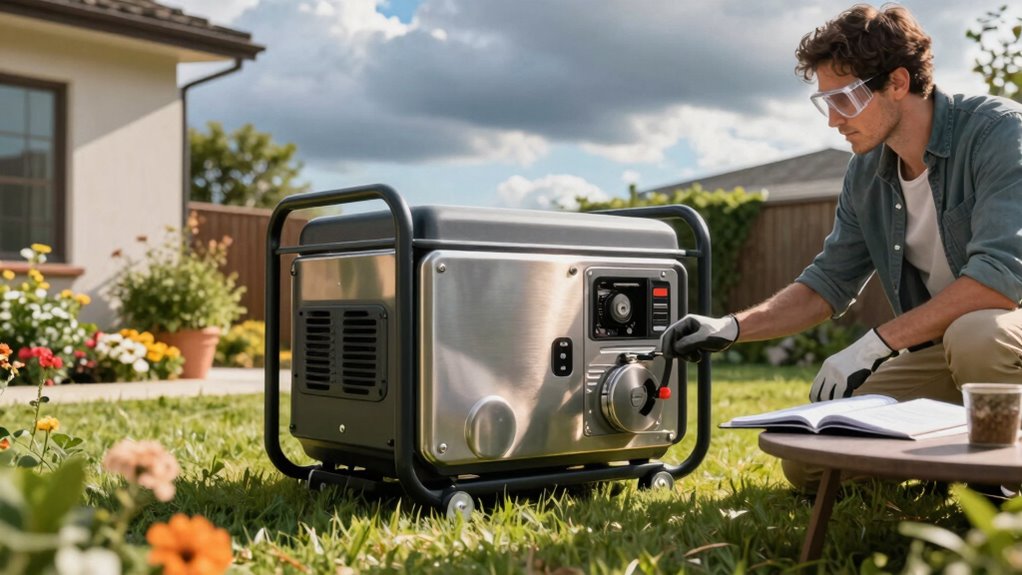
When you’re considering a home standby system, proper installation and regular maintenance are key to ensuring reliable power during outages.
Start with professional system installation to guarantee that all components are correctly connected and compliant with local codes.
Once installed, commit to routine maintenance, which includes checking the battery, testing the generator monthly, and changing the oil and filters as recommended.
It’s also wise to keep the unit clean and free from debris to prevent overheating.
Don’t forget to schedule an annual inspection with a qualified technician to catch any potential issues early.
How to Use Solar Power Safely During Power Outages
After verifying your home standby system is installed and maintained, it’s important to explore how to effectively use solar power during outages. Here’s how you can maximize your solar energy:
- Regular Solar Panel Maintenance: Keep your panels clean and free from debris. Regular checks help maintain efficiency and prolong lifespan.
- Optimize Energy Storage: Use high-quality batteries that can store excess energy generated during sunny days. This stored energy will power your home when the grid fails.
- Monitor Consumption: Identify essential appliances to power during an outage. Prioritize items like refrigerators, lights, and medical devices to verify your needs are met.
Be Aware of Carbon Monoxide Risks From Backup Power
Carbon monoxide (CO) poses a significant risk when using backup power sources, especially generators. This colorless, odorless gas can accumulate quickly in enclosed spaces, leading to serious health risks.
To stay safe, make certain you have functioning carbon monoxide detectors installed in your home. These devices can alert you to dangerous levels of CO, giving you time to react.
Ensure your home is equipped with working carbon monoxide detectors to provide timely alerts and protect your family from CO dangers.
Additionally, always follow ventilation requirements when operating generators. Position them outdoors, away from windows and vents, to prevent CO from seeping indoors.
Regularly check your equipment and make certain it’s in good working condition. By being vigilant about CO risks, you can enjoy the freedom that backup power provides while keeping yourself and your loved ones safe.
What Makes a Good Backup Power Plan?
To guarantee your backup power plan is effective, start by identifying your essential needs during an outage. This makes certain you’re prepared for any scenario, allowing for quick power restoration when it matters most.
Here’s a simple checklist to guide your planning:
- Critical appliances: Determine which devices are non-negotiable, like refrigerators and medical equipment.
- Power capacity: Assess how much wattage you’ll need to run these appliances efficiently without overloading your generator.
- Fuel supply: Confirm you have a reliable fuel source for your generator, whether it’s gasoline, propane, or solar.
Frequently Asked Questions
Can I Connect My Generator Directly to My Home’s Electrical System?
No, you shouldn’t connect your generator directly to your home’s electrical system. Instead, use a generator transfer switch to guarantee electrical safety and prevent backfeeding, which can be hazardous for you and utility workers.
How Long Can I Run My Generator Continuously?
You can run your generator continuously for about 8 to 12 hours, depending on its fuel consumption. Think of it as a marathon runner; it needs breaks and refueling to keep going strong.
What Appliances Should I Prioritize During a Power Outage?
Prioritize essential appliances like your refrigerator, lights, and heating or cooling systems during a power outage. Effective power prioritization guarantees you maintain comfort and food safety, enhancing your freedom and peace of mind.
Are There Any Fuel Storage Safety Tips I Should Follow?
Store fuel types in approved storage containers, keeping them out of direct sunlight and away from ignition sources. Verify containers are tightly sealed, label them clearly, and regularly check for leaks to maintain safety.
How Do I Safely Transport My Generator?
How can you transport your generator safely? Secure it in your vehicle, keep it upright, and guarantee the fuel tank’s closed. Following transport guidelines helps prevent spills and guarantees generator safety on the move.