
Your home is like a fortress, protecting your loved one with dementia from the uncertainties of the outside world. However, to truly safeguard them, you must adapt their environment to meet their unique needs. By understanding the necessary modifications, you can create a space that fosters safety and comfort. Let’s explore the essential steps to guarantee your home remains a sanctuary for your family member as they navigate this challenging journey.
Key Takeaways
- Remove clutter and tripping hazards to create safe pathways and prevent falls throughout the home.
- Install grab bars and handrails in bathrooms and hallways for added stability and support.
- Use non-slip mats in the kitchen and bathroom to reduce the risk of slips and accidents.
- Ensure adequate lighting with bright, motion-sensor lights to enhance visibility in all areas.
- Label rooms and important items to aid navigation and simplify the living space for your family member.
Recognizing Dementia Symptoms and Their Impact on Daily Life

When you start noticing changes in a loved one’s behavior or memory, it can be unsettling, especially if those changes signal the onset of dementia. The early signs often include memory loss and cognitive decline, which may manifest as forgetfulness or difficulty concentrating.
You might observe emotional changes, such as increased frustration or sadness, alongside behavioral symptoms like confusion or disorientation. Communication difficulties can arise, making conversations challenging and leading to social withdrawal.
These shifts not only affect their daily life but can also impact their physical health due to reduced engagement in activities they once enjoyed. Recognizing these symptoms early is essential, as it allows you to seek support and resources that help maintain their dignity and quality of life.
Key Modifications for a Safe Living Space
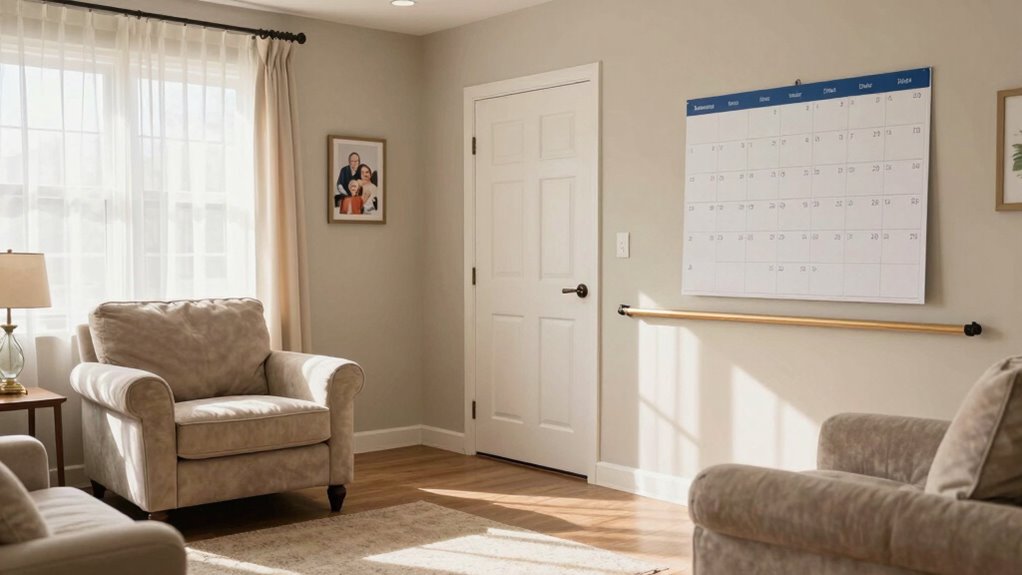
Creating a safe living space for a family member with dementia is essential, as it can greatly reduce the risk of accidents and confusion. You can implement home modifications and safety enhancements that promote independence while ensuring security. Additionally, incorporating security cameras for the elderly can provide peace of mind for both the family member and their caregivers.
| Home Modifications | Safety Enhancements |
|---|---|
| Remove clutter and obstacles | Install grab bars in bathrooms |
| Use non-slip flooring | Secure rugs to prevent slips |
| Label rooms and items | Use automatic night lights |
| Simplify furniture layout | Install door alarms |
These changes foster a sense of freedom while minimizing hazards. Consider your family member’s unique needs and preferences as you make these adjustments, ensuring their home remains a comfortable and supportive environment. Additionally, implementing universal design principles can further enhance usability and safety in the home.
Must-Have Safety Features for Your Home
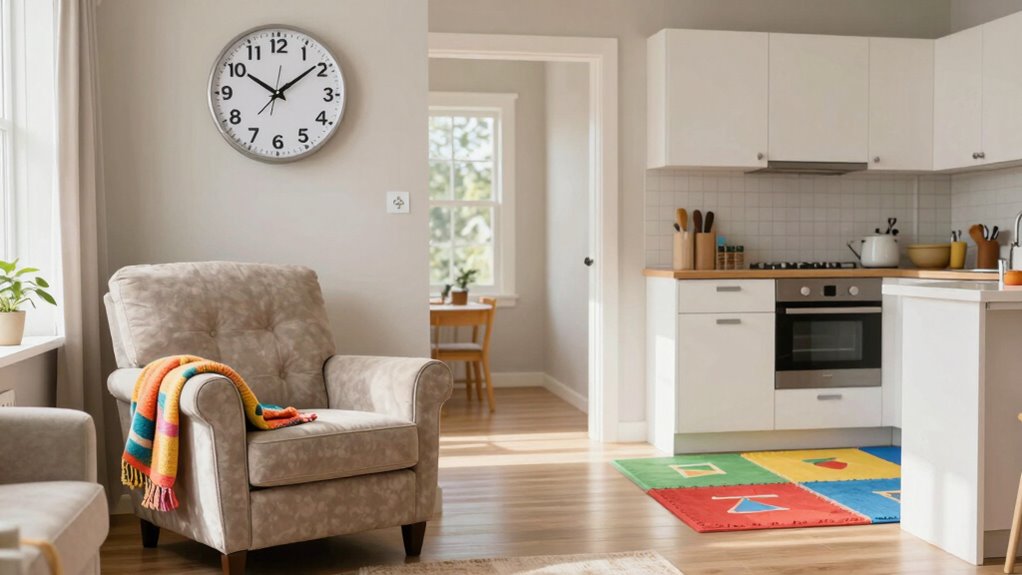
To guarantee a safe and secure environment for a family member with dementia, it’s crucial to incorporate specific safety features into your home.
Start by evaluating the home layout; verify clear pathways and remove clutter to prevent falls. Install safety equipment like handrails in hallways and grab bars in bathrooms. Consider non-slip mats to enhance stability. Additionally, implement proper fire safety measures to further protect your loved ones from potential hazards.
You might also want to secure sharp objects and chemicals out of reach, and use childproof locks on cabinets.
Adequate lighting is fundamental, especially at night, so install bright, motion-sensor lights in key areas. Additionally, ensure that smoke alarms are functional smoke detectors to enhance safety in case of an emergency.
Finally, create a safe outdoor space by securing fences and eliminating trip hazards. Keep pathways clear of obstructions to ensure swift evacuation in the event of an emergency. These measures not only protect your loved one but also promote their independence and comfort.
Establishing a Daily Routine for Your Loved One
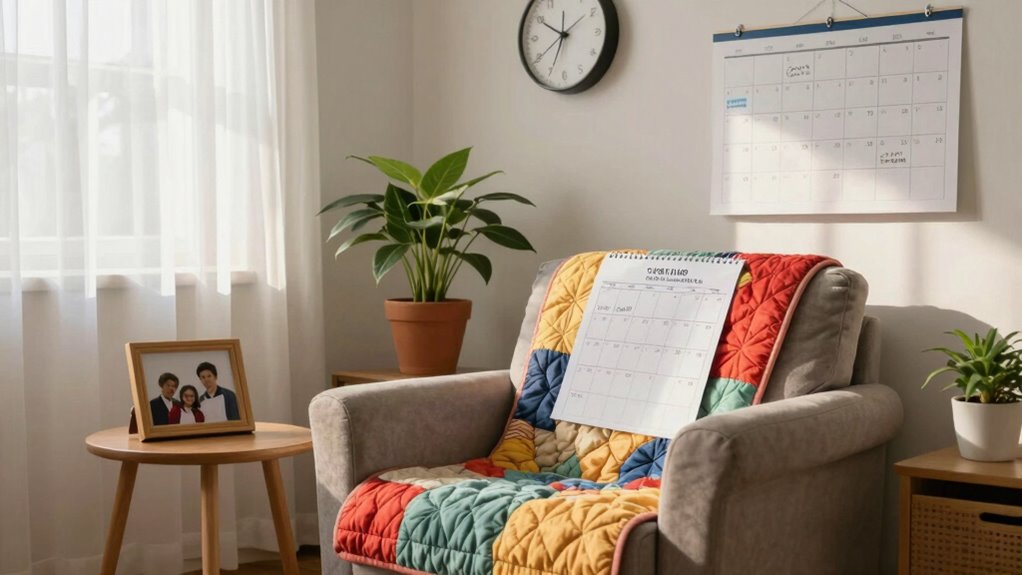
Establishing a daily routine for your loved one with dementia can provide a sense of stability and comfort.
It’s essential to include suggested activities that are engaging yet manageable, ensuring they feel purposeful throughout the day.
Importance Of Routine
While it may feel overwhelming at times, implementing a daily routine for your loved one with dementia can greatly enhance their sense of security and stability. A well-structured daily schedule provides familiarity, which can reduce anxiety and confusion.
Routine benefits include improved mood, increased confidence, and a sense of accomplishment as they engage in familiar activities. By establishing consistent mealtimes, exercise, and rest periods, you create a comforting environment that helps them navigate their day with ease.
Additionally, routines can foster independence, allowing them to feel more in control of their lives. Emphasizing these aspects not only supports their well-being but also gives you peace of mind, knowing you’re nurturing a positive atmosphere for your loved one.
Suggested Daily Activities
Creating a daily routine for your loved one with dementia involves incorporating activities that engage their interests and abilities while promoting a sense of normalcy.
Start the day with light exercise, which can enhance mood and mobility. Include art therapy sessions, allowing them to express themselves creatively. These activities can be soothing and fulfilling.
Memory games are another excellent option; they stimulate cognitive function and provide a fun challenge. You might also set aside time for reminiscing, using photos or familiar objects to spark pleasant memories.
By structuring their day around these engaging activities, you help maintain their independence and dignity.
Adaptable Routine Strategies
To guarantee your loved one with dementia feels secure and engaged, it’s important to develop a routine that’s both structured and adaptable. Personalized routines can help maintain familiarity, while flexible scheduling allows for adjustments based on their mood or energy levels.
| Morning Activities | Evening Activities |
|---|---|
| Breakfast and medication | Dinner and relaxation |
| Light exercise or walk | Family time or reading |
| Puzzle or craft project | Wind-down routine (bath, etc.) |
Dementia-Friendly Activities to Boost Cognitive Function
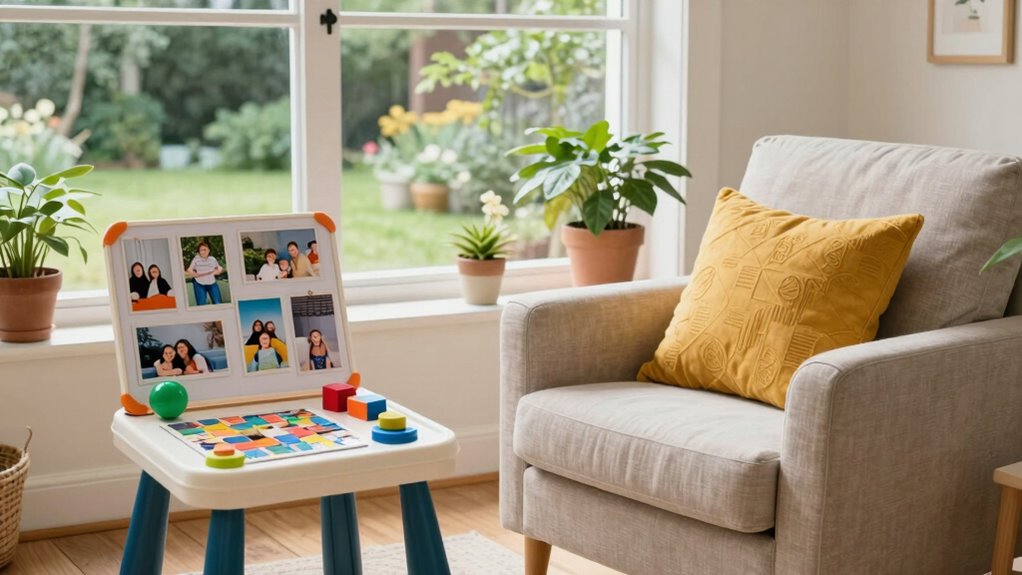
Engaging a family member with dementia in activities that stimulate cognitive function can greatly enhance their quality of life.
Consider incorporating memory games, which can be both fun and beneficial. Simple card matching games or puzzles can help strengthen recall and encourage social interaction.
Sensory activities, like exploring different textures or scents, can also provide mental engagement. You might try cooking together, allowing them to experience familiar smells and tastes.
Listening to music or creating art can further spark joy and creativity.
By focusing on these dementia-friendly activities, you not only boost cognitive function but also foster a sense of connection and purpose.
Tailor activities to their interests, ensuring they feel valued and engaged in their everyday life.
Resources and Support for Caregivers of Dementia Patients
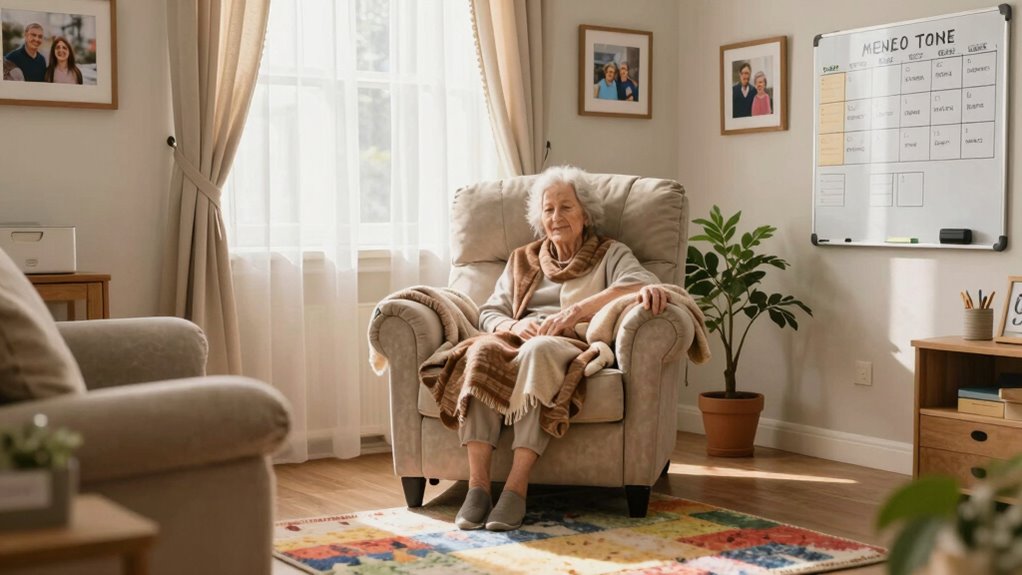
While caring for a family member with dementia can be incredibly rewarding, it often comes with its share of challenges. To lighten your load, consider tapping into available caregiver resources and support groups. These can provide emotional support, practical advice, and a sense of community.
Here’s a quick overview of helpful resources:
| Resource Type | Description |
|---|---|
| Support Groups | Connects you with others for shared experiences |
| Online Forums | Offers a platform for questions and advice |
| Educational Workshops | Teaches caregiving techniques and coping skills |
| Local Agencies | Provides information on services in your area |
Utilizing these resources can help you navigate your journey with greater confidence and ease, promoting both your well-being and that of your loved one.
Frequently Asked Questions
How Can I Communicate Effectively With a Family Member With Dementia?
To communicate effectively, use nonverbal cues like eye contact and gentle touch. Practice active listening to show you’re present. Be patient, speak clearly, and simplify your language, allowing them to express themselves freely.
What Legal Documents Should I Prepare for a Loved One With Dementia?
Imagine a sturdy bridge connecting you to your loved one’s wishes. Prepare a power of attorney and advance directives to guarantee their voice remains strong. These documents grant freedom and clarity in uncertain times.
How Can I Manage My Own Stress as a Caregiver?
To manage your stress, prioritize self-care strategies like regular exercise, mindfulness, and connecting with caregiver support groups. These practices help you recharge, gain perspective, and maintain your well-being while caring for your loved one.
What Financial Assistance Options Are Available for Dementia Care?
Have you explored financial assistance options for dementia care? Medicaid options and Veteran benefits can greatly ease costs. Research these resources to help guarantee your loved one receives the care they deserve without financial strain.
How Do I Handle Wandering Behavior in Dementia Patients?
To handle wandering behavior, create a safe environment by securing exits and using alarms. Implement wandering prevention strategies like engaging activities and personalized routines, ensuring your loved one feels both free and protected in their surroundings.