Lock bumping is a concerning method that can compromise your home’s security in mere seconds. This technique takes advantage of weaknesses in pin tumbler locks, making it essential for you to understand how it works. By using a specially designed bump key, an intruder can gain access without leaving a trace. As you consider the implications, it’s important to examine the types of locks at risk and the steps you can take to bolster your defenses.
Why Lock Bumping Poses a Serious Security Threat
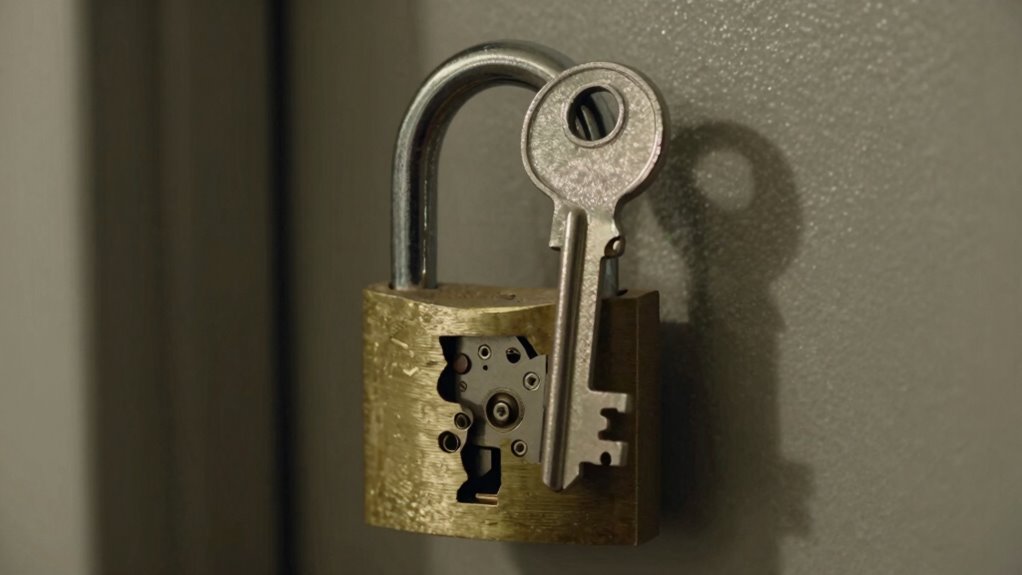
Although many people believe traditional locks provide adequate security, lock bumping reveals their vulnerabilities, posing a serious threat to your safety. This technique exploits the design flaws in standard pin tumbler locks, allowing intruders to gain access quickly and silently.
You mightn’t realize that many homes rely on these outdated locks, which can undermine your home protection efforts. Enhancing your security awareness is essential; understanding the risks associated with lock bumping empowers you to take decisive action.
Consider upgrading to more advanced locking mechanisms that resist such attacks. Investing in smart locks or high-security alternatives can greatly improve your safety.
Don’t let complacency jeopardize your freedom—be proactive in safeguarding your home and loved ones against emerging threats.
What Is Lock Bumping and How Does It Work?
Lock bumping is a technique that exploits the design of pin tumbler locks, allowing unauthorized access with minimal effort.
By using a specially crafted key known as a bump key, you can manipulate the lock’s pins and open it without the original key.
Understanding the common tools and methods involved is essential for enhancing your security awareness.
Lock Bumping Technique Overview
When it comes to bypassing traditional pin tumbler locks, few methods are as effective as lock bumping. This technique involves using a specially crafted bump key, which has been cut to match the lock’s pin heights.
By inserting the bump key into the lock and striking it with a tool, you create a momentary force that pushes the pins above the shear line. This action allows you to turn the lock’s cylinder, granting access without the original key.
Lock bumping poses significant challenges to lock security, as many standard locks can be compromised with relative ease. Understanding this technique is essential for enhancing security measures and protecting your property from unauthorized access.
Common Tools Used
Understanding the tools used in lock bumping is essential for both security professionals and property owners. The primary bumping tools involve specialized keys that allow for effective lock manipulation. Here’s a quick overview of common tools:
| Tool Type | Purpose |
|---|---|
| Bumping Key | Designed to fit specific locks for bumping |
| Hammer or Mallet | Used to strike the bumping key for maximum impact |
| Tension Wrench | Applies pressure to the lock cylinder |
| Lock Pick | Assists in manipulating the lock if necessary |
These tools facilitate unauthorized access but also highlight the vulnerabilities in standard locking mechanisms. Understanding these tools equips you to better secure your property against potential threats.
Common Locks Vulnerable to Lock Bumping
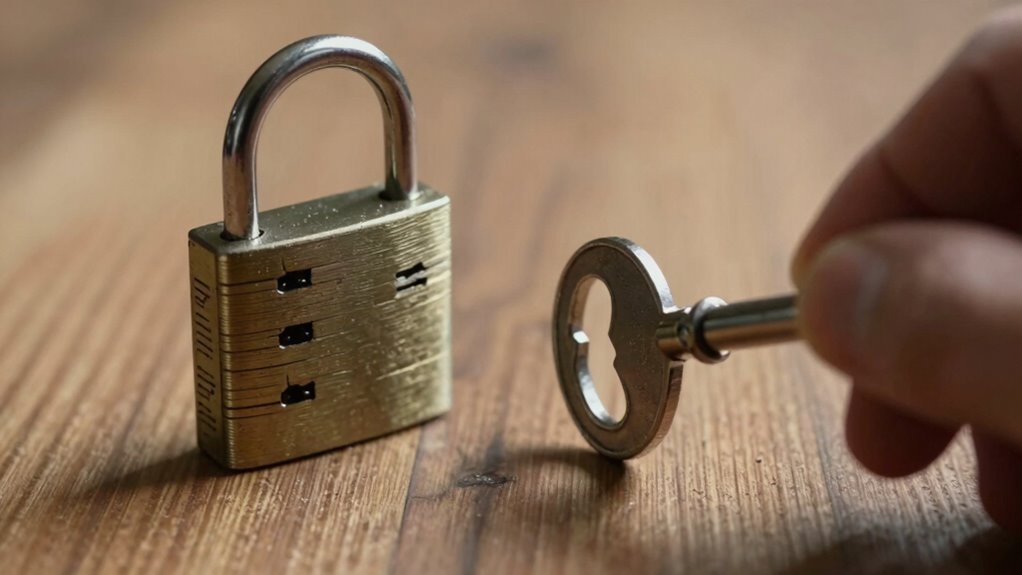
When it comes to lock bumping, certain locks are particularly susceptible.
Standard pin tumbler locks and Euro profile cylinders are common examples that thieves might exploit.
Understanding which locks are vulnerable helps you make informed decisions about your security measures.
Standard Pin Tumbler Locks
Standard pin tumbler locks are among the most common types of locks found in residential and commercial settings, making them prime targets for lock bumping.
Their pin tumbler mechanics, which rely on a series of pins that align to allow the lock to turn, create inherent vulnerabilities. The simplicity of this lock design can be exploited, as the pins can be manipulated using a specially crafted bump key.
When the bump key is struck, it generates a force that pushes the pins upward, allowing the lock to be opened without the original key.
Understanding these lock design vulnerabilities is essential for anyone looking to enhance their security and protect their freedom from unauthorized access.
Euro Profile Cylinders
Euro profile cylinders are a prevalent choice for door locks across Europe and beyond, making them particularly susceptible to lock bumping.
Their euro cylinder design often features a simple pin tumbler mechanism that can be easily manipulated. When bumping, an attacker uses a specially crafted key to apply force, causing the pins to align and release the cylinder.
This vulnerability raises significant concerns about euro cylinder security, as many homeowners and businesses may not be aware of the risk. To enhance security, you should consider locks that incorporate anti-bumping features or other advanced mechanisms, as advanced security measures can significantly improve your home’s overall protection against such attacks.
The Speed of Lock Bumping: How Fast Can Burglars Gain Entry?
Although many people believe that securing their homes with high-quality locks offers sufficient protection, burglars can exploit vulnerabilities like lock bumping at astonishing speeds.
In just a few seconds, they can gain access, making it a favored method for quick burglary entry. The lock bumping speed is alarming, allowing criminals to operate almost undetected.
Here are three key factors contributing to this rapid technique:
- Simplicity of Tools: Only a bump key and a hammer are needed.
- Minimal Skill Required: Most individuals can learn the technique in minutes.
- Quiet Execution: The method is discreet, reducing the risk of detection.
Understanding these elements emphasizes the urgency of addressing lock vulnerabilities to enhance your home security.
How to Spot Vulnerable Locks to Lock Bumping

To identify locks vulnerable to bumping, start by examining common lock types like cylinder and pin tumbler locks, which are often easier targets.
Pay close attention to the keyway design, as certain configurations can expose weaknesses.
Additionally, consider the security ratings of your locks; those with lower ratings are typically less resistant to bumping attacks.
Common Lock Types
When evaluating locks for vulnerability to bumping, it’s essential to recognize several common types that often lack effective security features.
Here are three types you should be wary of:
- Pin Tumbler Locks: These are the most prevalent and often have standard pin configurations that are easily manipulated by bump keys.
- Disc Detainer Locks: While they might seem secure, many disc detainer locks are susceptible to bumping, especially if poorly manufactured.
- Basic Cylinder Locks: Often found in residential settings, these locks typically use simple mechanisms that can be compromised with bumping techniques.
Keyway Design Vulnerabilities
Certain keyway designs can considerably increase a lock’s vulnerability to bumping. When evaluating locks, pay close attention to keyway shapes. Designs that feature wide openings or are overly simplistic often indicate potential design flaws, making them targets for bumping attacks.
Locks with straight or uniform keyway shapes may lack the complexity needed to resist bumping effectively. Additionally, if the keyway allows for easy manipulation of the pins, it raises the risk of unauthorized access.
To safeguard your property, opt for locks with intricate keyway designs and robust internal mechanisms. By being aware of these vulnerabilities, you can make informed choices that enhance your security and protect your freedom from potential intrusions.
Security Ratings Overview
Understanding the vulnerabilities of keyway designs is just one aspect of identifying locks that may be susceptible to bumping.
To effectively determine a lock’s security ratings and classifications, consider these vital factors:
- Keyway Shape: A narrow or complex keyway can deter bumping, while wider designs often make locks more vulnerable.
- Pin Configuration: Locks with fewer pins or poorly designed pin stacks are easier to bump. Look for locks with high pin counts and complex arrangements.
- Manufacturer Ratings: Always check for industry security ratings. Locks with high ANSI/BHMA ratings typically offer better protection against attacks like bumping.
Real-Life Incidents of Lock Bumping
How often do you hear about real-life incidents of lock bumping making headlines? This technique has led to numerous security breaches, often in residential neighborhoods.
In one notable case, a family returned home to find valuables missing, only to learn that thieves had used lock bumping to gain entry. Additionally, homes without security systems are at higher risk of being robbed, making them prime targets for such attacks.
Another incident involved a local business, where employees discovered that sensitive documents had been stolen overnight.
In one alarming incident, a local business found sensitive documents missing after a night of lock bumping.
These real cases exemplify how easily lock bumping can compromise your security, often without leaving visible signs of forced entry. As reported, approximately 60% of robbers stated the presence of a security alarm would deter them from targeting a home.
As these incidents increase, awareness is essential. Understanding the implications of lock bumping can empower you to take necessary precautions and protect your freedom and belongings from potential threats.
Top Strategies to Prevent Lock Bumping at Home
While many homeowners may not realize it, implementing effective strategies to prevent lock bumping is crucial for safeguarding their properties.
Here are three top strategies you can adopt to enhance your home security:
- Invest in Lock Upgrades: Replace standard locks with bump-resistant models. These locks are specifically designed to thwart bumping attempts. Additionally, using professional monitoring ensures that any security breaches are promptly addressed.
- Use Additional Security Measures: Consider adding deadbolts and security cameras to increase your overall protection. This can deter potential intruders.
- Regular Maintenance: Verify that your locks are well-maintained and functioning properly. Regular checks can help identify vulnerabilities before they can be exploited. Additionally, consider incorporating smart locks into your security strategy, as they offer enhanced security features and real-time monitoring capabilities.
Safer Lock Alternatives to Prevent Lock Bumping
When seeking to enhance your home security, exploring safer lock alternatives to prevent lock bumping can make a considerable difference.
Consider investing in high security locks, which are specifically designed to resist various forms of unauthorized entry, including lock bumping. These locks often feature anti-bump pins and complex mechanisms that deter intruders. Additionally, advanced encryption technology in smart locks provides an extra layer of protection against unauthorized access.
Additionally, smart locks provide advanced security options, often integrating with your home automation systems. They allow you to monitor access remotely and can eliminate the need for traditional keys, further reducing vulnerability. Professional monitoring can also enhance your overall security by ensuring constant vigilance against potential break-ins.
How Locksmiths Can Help Prevent Lock Bumping
Locksmiths play a crucial role in preventing lock bumping by offering expert advice and tailored solutions for your security needs.
By collaborating with a professional locksmith, you can effectively enhance your property’s security. Here are three ways they can assist you:
- Lock Installation: They can recommend and install high-security locks designed to resist bumping.
- Security Upgrades: Locksmiths can evaluate your current locking systems and suggest upgrades to more secure options, such as smart locks or deadbolts. Additionally, they may discuss the benefits of professional monitoring services, which can provide round-the-clock vigilance for your home.
- Education: They provide valuable insights on lock bumping techniques and how to avoid them, empowering you to take proactive measures. Furthermore, understanding the importance of constant surveillance can lead to a more comprehensive security strategy for your home.
What Are the Legal Risks of Lock Bumping?
Although many people may view lock bumping as a harmless method of gaining access, it carries significant legal risks that shouldn’t be overlooked. Engaging in lock bumping can lead to serious legal implications, especially if you’re caught in the act. Many jurisdictions classify it as breaking and entering, resulting in potential penalties such as hefty fines or imprisonment.
| Legal Risk | Potential Penalty |
|---|---|
| Trespassing | Fines up to $5,000 |
| Breaking and Entering | Imprisonment up to 10 years |
| Possession of Burglary Tools | Fines and jail time |
Understanding these risks is essential. If you’re considering lock bumping, remember that the price of freedom might not be worth the legal consequences.
Frequently Asked Questions
Can Lock Bumping Be Used on Electronic Locks?
Lock bumping isn’t effective on electronic locks. Their digital complexities and electronic vulnerabilities make them far more secure than traditional locks. Prioritize advanced lock security to safeguard your freedom and protect your valuable assets effectively.
What Materials Are Best for Bump-Proof Locks?
Bump-proof locks typically incorporate hardened steel, brass, and advanced lock designs that resist manipulation. These materials enhance security, offering better protection against unauthorized access while maintaining durability and reliability for your peace of mind.
Are There Specific Brands Known for Lock Bumping Vulnerability?
About 30% of residential locks are vulnerable to bumping. Common vulnerable brands include Kwikset and Schlage, often targeted by lock bumping devices. Choosing bump-proof alternatives can enhance your security and protect your freedom.
How Can I Educate My Family About Lock Bumping Risks?
You can educate your family about lock bumping risks by discussing lock safety, sharing informative resources, and demonstrating secure locking practices. Encourage family awareness of vulnerabilities to empower them in protecting your home effectively.
Is Lock Bumping a Common Method Among Burglars Today?
Yes, lock bumping’s a common burglary tactic today, akin to a thief’s key to freedom. As you enhance your lock security, remember that knowledge empowers you to thwart sophisticated methods and protect your home effectively.