Imagine traversing a maze where every turn relies on a key you can’t remember. That’s the reality many face with traditional passwords today. As security threats rise, the limitations of passwords become more evident, prompting a shift towards passkeys. These cryptographic solutions promise not just enhanced safety, but also a streamlined user experience. But what does this evolution really mean for you and your digital interactions? The answers may reshape how you think about security.
Understanding Passkeys: What They Are and How They Work
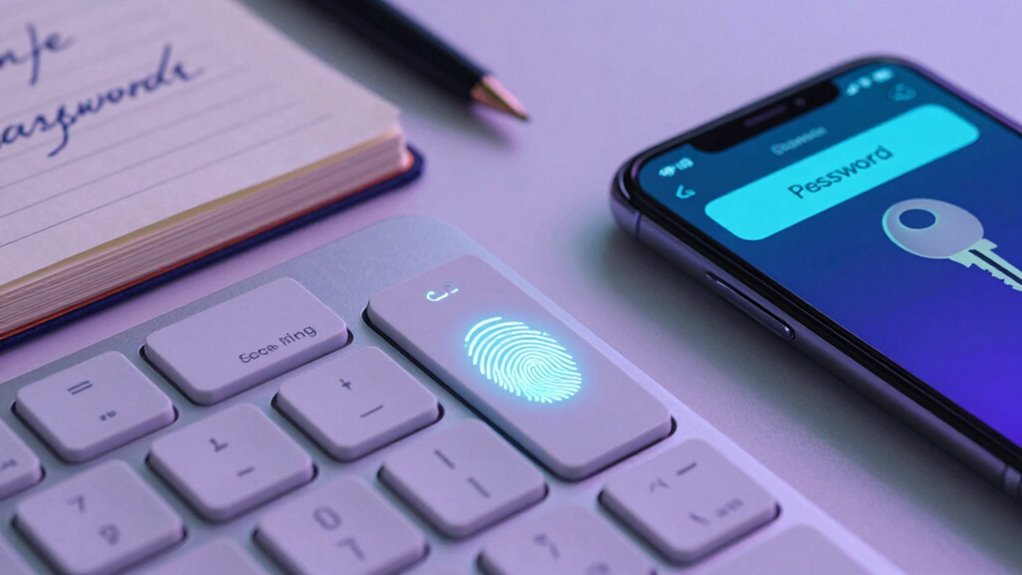
Passkeys represent a significant evolution in digital security, aiming to simplify the login process while enhancing protection against unauthorized access.
These innovative authentication methods leverage passkey technology, which utilizes cryptographic keys instead of traditional passwords. When you log in, your device generates a unique key pair, securely storing the private key while sharing the public key with the server.
This approach offers several passkey advantages, such as eliminating the need to remember complex passwords and reducing the risk of phishing attacks. Additionally, since passkeys are resistant to brute-force attacks, they provide greater security.
Limitations of Passwords Today
Although passwords have been a staple of digital security for decades, their limitations are becoming increasingly apparent in today’s online landscape.
One major issue is password fatigue; you’re often overwhelmed by the need to create and remember complex passwords for countless accounts. This leads to unsafe practices, like reusing passwords, which notably increases your vulnerability to breaches.
Password fatigue overwhelms users, pushing them toward unsafe practices like reusing passwords and increasing vulnerability to breaches.
Additionally, phishing attacks are more sophisticated than ever, tricking even the most vigilant users into divulging their passwords. As hackers continuously develop new strategies, reliance on passwords leaves you exposed and frustrated.
The combination of these factors diminishes the effectiveness of passwords and raises concerns about your overall online security, urging a re-evaluation of how we authenticate our identities.
Benefits of Using Passkeys Instead of Passwords
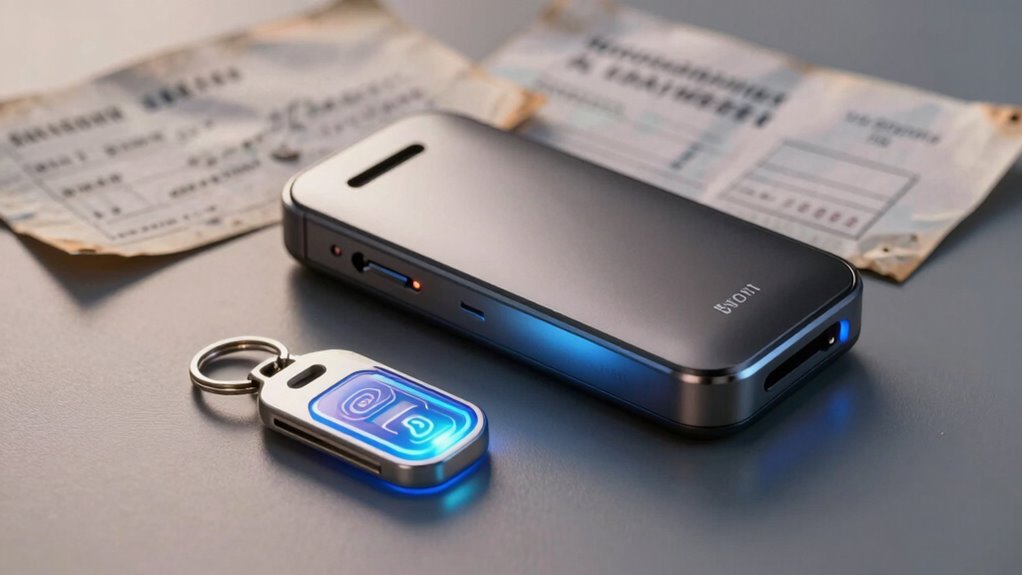
The shortcomings of passwords have led to the emergence of passkeys as a more secure alternative for authentication. By leveraging cryptographic methods, passkeys offer a significant security enhancement, reducing the risk of phishing and credential theft.
Unlike traditional passwords, which can be easily forgotten or compromised, passkeys streamline the user experience. You won’t need to remember complex strings of characters; instead, you’ll authenticate seamlessly through biometric data or secure devices. This not only simplifies access but also empowers you with greater control over your personal information.
As cyber threats continue to evolve, adopting passkeys makes your online interactions safer, enhancing both security and user satisfaction. Embracing this technology could be a pivotal step toward a more secure digital future.
Challenges to Widespread Passkey Adoption
As organizations and individuals consider shifting to passkeys, they face several challenges that could hinder widespread adoption.
One major concern is user experience; many people may find the change from passwords to passkeys confusing or inconvenient.
Additionally, security concerns arise as users may worry about the safety of their biometric data or hardware tokens.
User education is essential—without proper guidance, individuals might resist adopting new technology.
Finally, system compatibility poses a significant hurdle; not all platforms and devices support passkeys yet, which can create friction in implementation.
Addressing these challenges is critical to guarantee a smooth change and maximize the benefits of passkeys while maintaining a focus on user freedom and security.
How to Transition to Passkeys for Better Security?
To effectively shift to passkeys for enhanced security, organizations must first assess their current systems and identify compatibility requirements. Employing effective alteration strategies is essential. Start with a pilot program to gauge user response, followed by gradual implementation. Prioritize user education; without understanding, users may resist change.
Here’s a simple table to summarize key strategies:
| Strategy | Description |
|---|---|
| Pilot Program | Test passkeys with select users |
| Gradual Implementation | Roll out in phases |
| User Education | Train users on new systems |
Frequently Asked Questions
Are Passkeys Compatible With All Devices and Platforms?
Think of passkeys as the universal remote for your devices. While passkey compatibility has improved considerably, ensuring seamless cross-platform integration still varies, so check specific device support before making the switch for ideal freedom.
Can I Still Use Passwords Alongside Passkeys?
Yes, you can still use passwords alongside passkeys. This hybrid authentication approach enhances your password management strategy, allowing you to enjoy the flexibility of both methods while improving your overall security and user experience.
What Happens if I Lose My Device With Passkeys?
If you lose your device with passkeys, you’ll need to explore device recovery methods and backup options. Make certain you’ve set up recovery mechanisms beforehand to regain access without compromising your freedom and security.
How Do Passkeys Improve User Experience Compared to Passwords?
“Easier said than done,” but passkeys truly enhance your experience. With a user-friendly design, they enable seamless login, reducing frustration and improving security, allowing you to navigate online spaces with freedom and confidence.
Are Passkeys More Secure Against Phishing Attacks Than Passwords?
Yes, passkeys offer greater phishing resistance compared to passwords, markedly reducing the risk of credential theft. Their cryptographic nature guarantees that even if attackers intercept data, they can’t easily exploit it like traditional passwords.