Did you know that long-term grid failures can occur due to a range of factors, from natural disasters to cyber attacks? It’s vital to be prepared for these scenarios, as they can disrupt daily life and essential services. By understanding local risks and creating a solid plan, you can enhance your resilience and that of your community. How do you start building a reliable support system while ensuring your family’s needs are met?
Identify and Assess Your Local Grid Risks
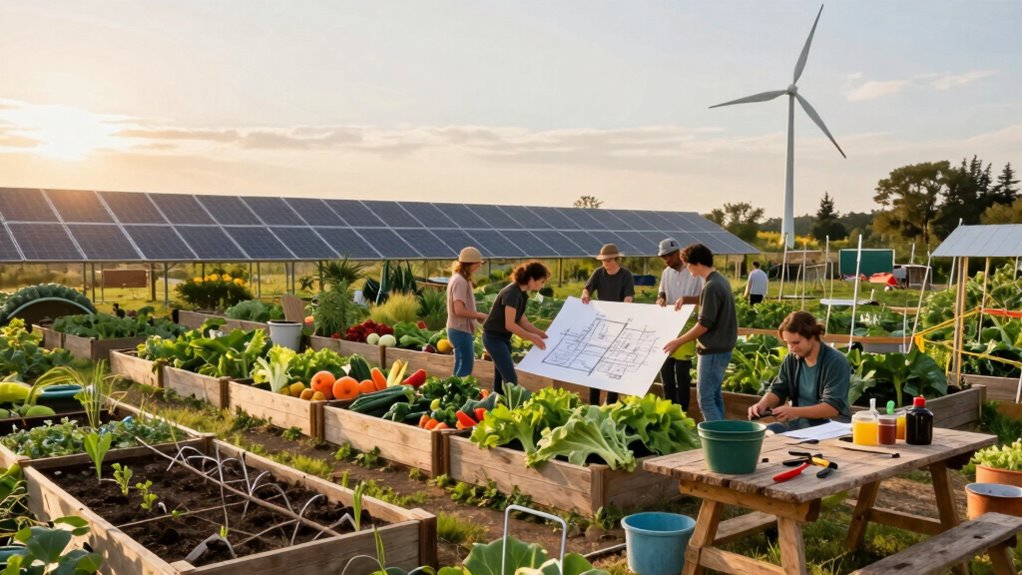
As you prepare for potential long-term grid failures, it’s essential to identify and assess the specific risks your local grid faces.
Start by conducting a thorough risk assessment of your area. Look for local hazards like natural disasters, aging infrastructure, or potential cyber threats that could impact the grid’s reliability.
Gather data from local utility companies and government sources to understand past incidents and vulnerabilities. This information will help you gauge how likely these risks are to occur and their potential impact on your power supply.
Build a Community Support Network for Resilience
Identifying local grid risks sets the stage for building a strong community support network.
Start by fostering community engagement; connect with neighbors and local organizations to share resources and skills.
Organize regular meetings to discuss potential challenges and solutions, encouraging open dialogue.
Promote the idea of mutual aid, where everyone contributes what they can—whether it’s sharing tools, knowledge, or labor.
Create a directory of community members’ skills and resources, making it easier for everyone to access help when needed.
Establish communication channels, like group chats or newsletters, to keep everyone informed and connected.
How to Secure Your Food and Water Supply?

Securing your food and water supply is essential for surviving long-term grid failures, especially when disruptions can lead to shortages. Start by investing in proper food storage solutions.
Stock up on non-perishable items like canned goods, dried fruits, and grains, and rotate your supplies regularly to maintain freshness. Consider learning preservation techniques such as canning and dehydrating to extend your food’s shelf life.
For water, it’s vital to have a reliable purification method. Store filtered water in clean containers, and explore water purification methods like boiling, chemical treatments, or portable filters.
Don’t forget to keep emergency supplies handy, ensuring you’ve got enough for yourself and your loved ones. By planning ahead, you’ll maintain your independence and security during challenging times.
Crafting Tailored Emergency Plans for Your Household
To craft an effective emergency plan for your household, start by evaluating your specific needs.
Identify the resources you have on hand and create a detailed inventory to guide your preparations.
This tailored approach guarantees you’re ready for any long-term grid failures that may arise.
Assessing Household Needs
How prepared is your household for a long-term grid failure? Evaluating your needs is vital. Start by analyzing your energy consumption; identify which devices are essential and prioritize them.
Consider how you’ll power these devices without the grid. You’ll need a reliable energy source, like solar panels or generators, to meet your household’s demands.
Next, gather emergency essentials. This includes food, water, medical supplies, and tools for basic repairs. Make sure you have enough supplies to last at least a month.
Communicate with your family about your plan, ensuring everyone knows their roles and responsibilities.
Regularly review and update your plan to adapt to changing needs. Being proactive today can secure your household’s freedom during a long-term grid failure.
Creating Resource Inventory
Creating a resource inventory is essential for tailoring your emergency plan. Start by categorizing resources into food, water, medical supplies, and tools. This resource categorization helps you visualize what you have and what you need.
Regularly update your inventory management system, whether it’s a simple list or a digital tracker. Assess expiration dates on food and medical supplies to guarantee everything is usable when needed.
Don’t forget to include backup power sources, like batteries and solar chargers. By keeping an organized inventory, you’ll be able to act quickly during a crisis, ensuring you have the essentials to maintain your freedom and self-sufficiency.
Cultivating Skills for Self-Sufficiency
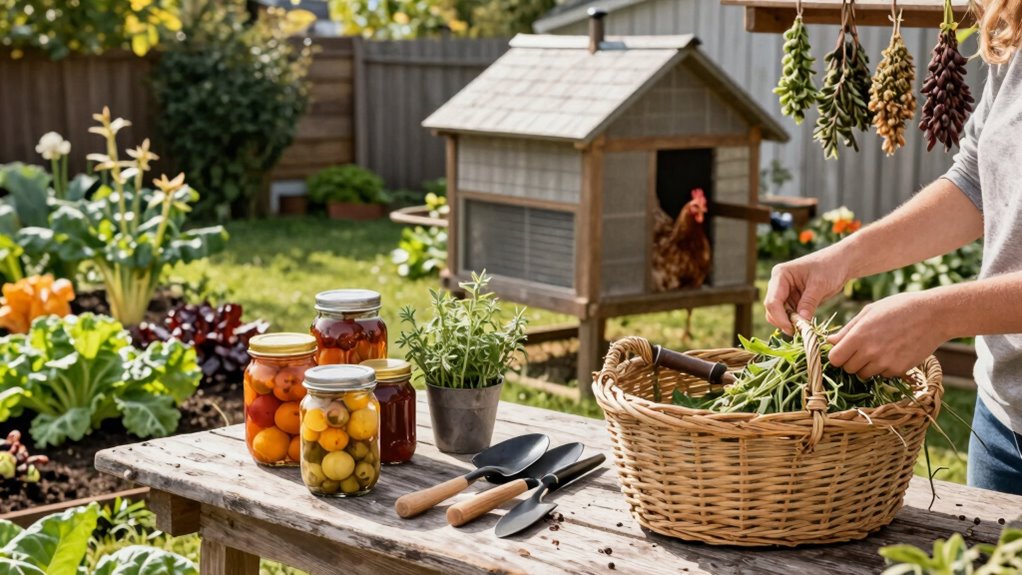
To thrive during long-term grid failures, you’ll need to master basic survival skills and food preservation techniques.
These abilities not only guarantee your immediate safety but also help you maintain a sustainable food supply.
Start practicing now, so you’re prepared for any situation that arises.
Basic Survival Skills
While modern conveniences make life easier, knowing basic survival skills can empower you to thrive during long-term grid failures.
Start by mastering fire starting techniques; a reliable fire provides warmth, cooking capabilities, and a sense of security. Practice different methods, like using flint and steel or friction-based techniques, so you’re prepared for any situation.
Next, focus on shelter building. Learn to construct a temporary shelter using materials from your environment, such as branches, leaves, and tarps.
A well-built shelter offers protection from the elements, keeping you safe and comfortable.
Food Preservation Techniques
When you face long-term grid failures, mastering food preservation techniques becomes essential for self-sufficiency. Start with canning methods to store fruits and vegetables safely.
Dehydrating techniques help remove moisture, extending shelf life for snacks. Fermenting foods can create nutritious options while adding flavor. Freezing options work well for short-term storage, but consider a root cellar for longer-term needs.
Vacuum sealing keeps food fresh by removing air. Preserving herbs and pickling vegetables can enhance your meals. Explore smoke curing and salt preservation for meats and fish.
Each method empowers you to maintain food security and independence, ensuring you have access to nutritious options even when the grid goes down. Embrace these skills for true freedom and resilience.
Developing Alternative Communication Strategies
As grid failures become more likely, developing alternative communication strategies is crucial for maintaining connectivity and coordination during emergencies.
Here are three effective approaches you can adopt:
- Ham Radio: This reliable option allows you to communicate over long distances without relying on digital platforms. Join local ham radio clubs for training and support.
- Visual Signals: Use flags, lights, or other visual aids to convey messages quickly. This can be especially useful in areas where sound can’t travel.
- Community Outreach: Establish information networks within your community. Share emergency protocols and alternative messaging methods to guarantee everyone stays informed and connected.
Frequently Asked Questions
How Can I Keep My Family Entertained During a Long-Term Outage?
You can keep your family entertained during an outage by playing family games like charades or board games. Also, try creative activities such as drawing, storytelling, or building forts to spark everyone’s imagination.
What Should I Do With Perishable Medications During a Grid Failure?
Store perishable medications in a cool, dark place. Use insulated bags or containers for temperature monitoring. Check regularly to guarantee medications remain effective and safe. You’ll safeguard health while maintaining independence during outages.
How Can I Manage My Finances Without Electronic Banking?
Manage your finances by focusing on cash management; keep cash on hand for purchases. Consider barter systems for trading goods and services, allowing you to maintain freedom and independence without relying on electronic banking.
What Are the Best Practices for Home Safety During a Blackout?
During a blackout, use emergency lighting to navigate safely. Keep your fridge closed to maintain food safety, checking perishables after the power returns. Stay informed, and have a plan for extended outages.
How Can I Help Neighbors Who Are Less Prepared?
You can strengthen community support by sharing resources with less prepared neighbors. Offer essentials like food, water, or tools. Create a network for communication and assistance, fostering resilience and freedom for everyone during tough times.