Radon and carbon monoxide are two invisible threats that often go unnoticed in our homes, yet they can have serious health implications. Understanding their origins and the risks involved is vital for maintaining a safe living environment. With radon being a leading cause of lung cancer and carbon monoxide causing potentially fatal poisoning, it’s essential to recognize the importance of detection and prevention. What steps can you take to safeguard yourself and your loved ones from these dangers?
Why You Should Worry About Radon in Your Home
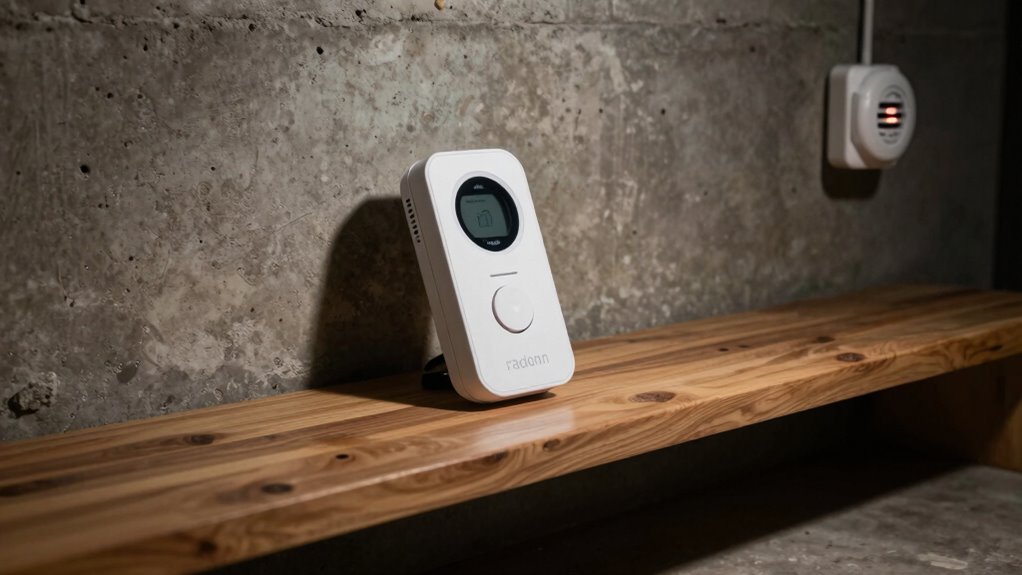
Although many homeowners may overlook it, radon is a serious health risk that can seep into your home without your knowledge. This colorless, odorless gas originates from the natural decay of uranium in soil, rock, and water.
Common radon sources include building materials and groundwater, particularly in basements or lower levels. To protect your home and loved ones, you should consider testing for radon and implementing effective mitigation techniques if levels are high.
These techniques often involve improving ventilation or sealing cracks in foundations. By understanding the sources of radon and employing proper mitigation strategies, you can take control of your living environment, ensuring it remains safe and healthy while enjoying the freedom of your space.
Health Risks of Radon Exposure
When you breathe in radon, you’re exposing yourself to a radioactive gas that poses serious health risks.
The primary concern with radon exposure is its link to lung cancer. In fact, the U.S. Environmental Protection Agency estimates that radon is the second leading cause of lung cancer after smoking.
Radon exposure significantly increases lung cancer risk, making it the second leading cause after smoking, according to the EPA.
When radon decays, it produces radioactive particles that can get trapped in your lungs, leading to damaging health effects over time. Symptoms may not appear until the disease is advanced, making it vital to understand the risks.
If you value your freedom and well-being, recognizing radon exposure as a significant threat is essential. Protecting yourself means being proactive about your environment and mitigating risks associated with this invisible danger.
How to Test Your Home for Radon Levels
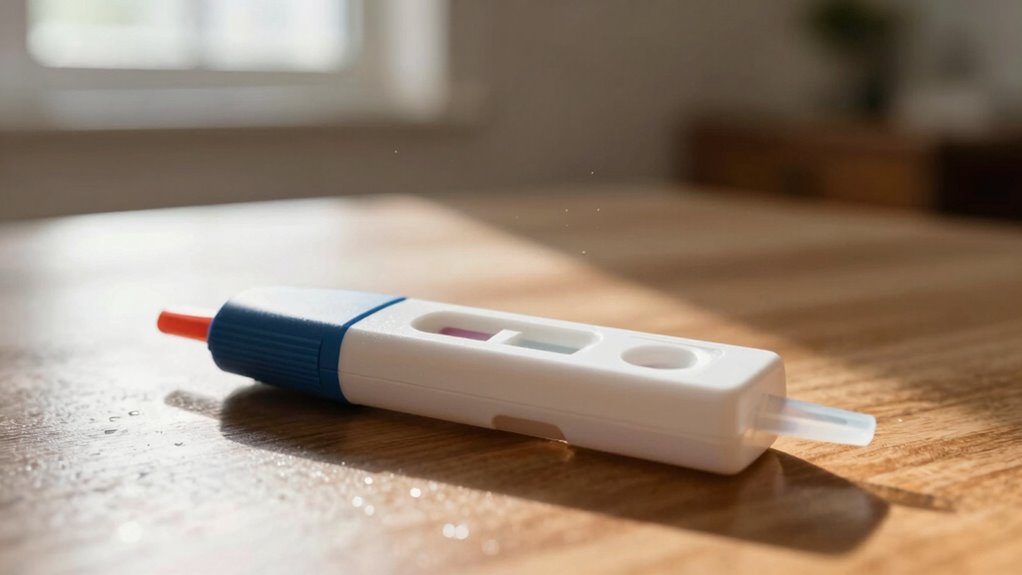
To guarantee your home is safe from radon, you need to test for its levels using reliable methods.
Various testing options are available, including short-term and long-term tests, each providing different insights.
Once you have your results, understanding what they mean is essential for determining if you need to take action.
Testing Methods Available
Testing your home for radon levels is essential to ensuring a safe living environment. You can choose between two primary methods: using testing kits or hiring professional services.
Testing kits are widely available and easy to use. They typically involve placing a small device in your home for a specified period, then sending it to a lab for analysis. This option gives you the flexibility to test at your convenience.
On the other hand, professional services provide a thorough and accurate assessment, as trained experts use advanced equipment and techniques. They can also offer insights into mitigation strategies if high levels are detected.
Both methods are effective; it’s up to you to decide which fits your needs best.
Interpreting Test Results
Understanding your radon test results is essential for evaluating the safety of your home, especially since elevated radon levels can pose serious health risks.
To effectively interpret your test results, follow these radon level guidelines:
- Below 2 pCi/L: Your radon level is considered low, but it’s still wise to monitor regularly.
- 2 to 4 pCi/L: This range indicates a moderate risk. It’s recommended to take action, such as improving ventilation.
- Above 4 pCi/L: Immediate action is necessary. Consider radon mitigation systems to reduce levels.
Understanding Carbon Monoxide
Carbon monoxide, often referred to as the “silent killer,” is a colorless, odorless gas that can pose serious health risks. Understanding its origins is essential for maintaining a safe environment.
Carbon monoxide primarily originates from the incomplete combustion of fossil fuels. Common carbon monoxide sources include gas stoves, heaters, and vehicles, as well as malfunctioning appliances.
Even outdoor sources like generators can contribute to indoor risks if used improperly. Since you can’t detect it without a proper alarm, awareness of these sources is important.
Regular maintenance of appliances and ensuring proper ventilation can considerably reduce your exposure. By proactively identifying and addressing carbon monoxide sources, you empower yourself to create a safer living space for you and your loved ones.
Dangers of Carbon Monoxide Poisoning
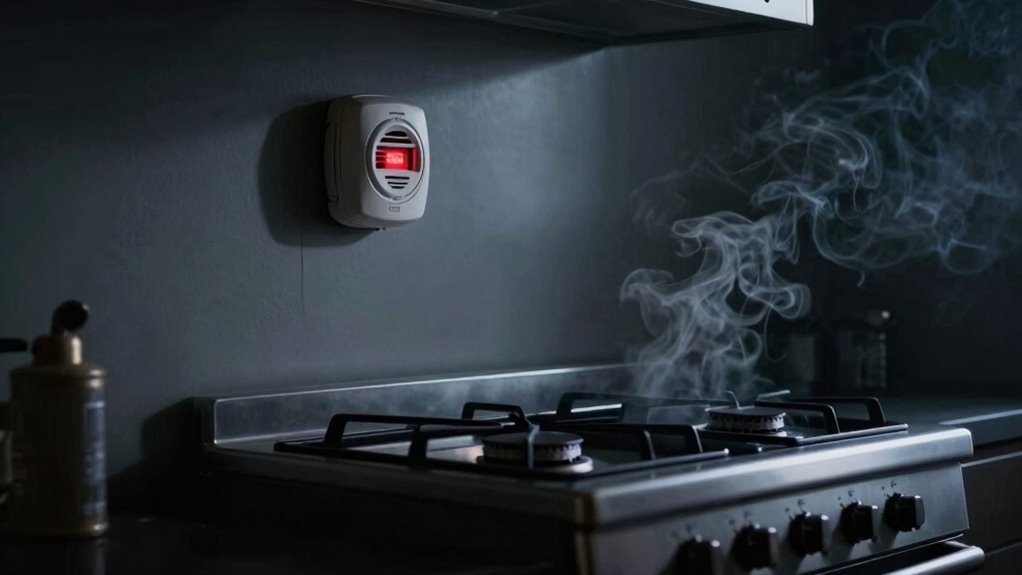
The risks of carbon monoxide poisoning are severe and can escalate quickly, often without warning. You may not realize that common carbon monoxide sources include gas stoves, furnaces, and automobiles. Understanding the potential dangers is essential for your safety and well-being.
Here are three significant carbon monoxide effects to take into account:
- Impaired cognitive function: Lack of oxygen can lead to confusion and reduced mental clarity.
- Physical symptoms: You might experience headaches, dizziness, or fatigue that can quickly progress to more severe health issues.
- Life-threatening conditions: Prolonged exposure can result in unconsciousness or even death, making it critical to address potential sources immediately.
Being aware of these dangers empowers you to take necessary precautions for a safer environment.
Signs and Symptoms of Carbon Monoxide Exposure
When exposed to carbon monoxide, you mightn’t immediately recognize the symptoms, which can easily be mistaken for other illnesses. Common carbon monoxide symptoms include headaches, dizziness, weakness, nausea, and confusion.
As exposure increases, you may experience shortness of breath or chest pain. These exposure signs can escalate quickly, leading to loss of consciousness or even death if not addressed.
It’s essential to pay attention to these subtle indications, especially in enclosed spaces with potential sources of this gas, like faulty heaters or vehicles running in garages.
Being vigilant about these symptoms empowers you to act swiftly, ensuring your safety and that of others. Don’t underestimate the seriousness of these signs; recognition is key to prevention.
Detecting Carbon Monoxide in Your Home
To guarantee your safety, it’s vital to recognize the symptoms of carbon monoxide exposure, such as headaches and dizziness.
You can test for carbon monoxide in your home using various methods, including portable detectors and stationary alarms.
Understanding these testing options will help you effectively monitor and mitigate risks associated with this silent threat.
Symptoms of Carbon Monoxide
Recognizing the symptoms of carbon monoxide (CO) poisoning is vital, as early detection can prevent serious health risks or even fatalities.
You should be aware of the following carbon monoxide symptoms:
- Headaches: Frequent or severe headaches can indicate CO exposure.
- Dizziness and Confusion: If you’re feeling unusually disoriented or lightheaded, it could be a sign of poisoning effects.
- Nausea and Fatigue: Unexplained nausea or persistent fatigue often accompany CO exposure.
These symptoms can easily be mistaken for other illnesses, but if you experience them while near fuel-burning appliances, it’s important to take action immediately.
Stay vigilant and guarantee your home is safe from this invisible threat. Your awareness can save lives.
Testing Methods Available
Detecting carbon monoxide in your home is essential for maintaining a safe living environment, especially since this colorless, odorless gas can be lethal.
To guarantee your safety, consider investing in carbon monoxide testing methods. You can choose between digital detectors, which provide real-time readings, and traditional battery-operated units that alert you to dangerous levels.
Regularly check the functionality of these devices to confirm they’re operational. Additionally, if you’re concerned about radon, performing radon testing alongside carbon monoxide testing can give you a thorough view of your home’s air quality.
By prioritizing these tests, you take proactive steps toward a safer living environment, ensuring that your freedom from harmful gases is secure.
Don’t wait—test regularly and protect your health.
Preventive Measures Against Radon and Carbon Monoxide
While you may not see or smell radon and carbon monoxide, taking proactive steps can markedly reduce your exposure to these harmful gases.
Taking proactive measures can significantly lower your risk of exposure to invisible and odorless gases like radon and carbon monoxide.
Here are three key preventive measures you can implement:
- Regular Home Inspections: Schedule routine checks to identify potential radon sources and carbon monoxide risks. This guarantees you’re aware of any lurking dangers in your home.
- Install Ventilation Systems: Properly designed and maintained ventilation systems help disperse these gases, improving air quality and reducing concentration levels indoors.
- Educate Yourself: Stay informed about the sources and health effects of radon and carbon monoxide. Knowledge empowers you to take further preventive actions and advocate for safer living conditions.
Mitigation Strategies for Radon and Carbon Monoxide
To effectively mitigate radon and carbon monoxide risks, you need to implement reliable testing methods and install appropriate detectors.
Understanding how to conduct radon tests guarantees you identify potential hazards in your home.
Additionally, utilizing carbon monoxide detectors can provide real-time alerts, safeguarding you and your family from dangerous levels of this odorless gas.
Effective Radon Testing Methods
How can you guarantee your home is safe from radon exposure? Effective radon testing methods are essential for securing testing accuracy and implementing successful radon mitigation.
Here are three reliable testing options:
- Short-term tests: These typically last from 2 to 90 days, offering quick results. They’re great for initial assessments but may not provide a complete picture.
- Long-term tests: Running for over 90 days, these tests give a more accurate representation of radon levels in your home, identifying any seasonal variations.
- Professional testing: Hiring certified professionals assures high testing accuracy and compliance with local regulations, providing peace of mind.
Carbon Monoxide Detectors Importance
Given that carbon monoxide (CO) is a colorless, odorless gas that can be lethal in high concentrations, having functional carbon monoxide detectors in your home is vital for guaranteeing safety. Proper detector placement is essential; install them near sleeping areas and on every level of your home. Regularly check alarm functionality to verify they work when you need them most.
| Detector Placement | Alarm Functionality | Maintenance Tips |
|---|---|---|
| Near sleeping areas | Test monthly | Replace batteries yearly |
| On every home level | Replace every 5-7 years | Clean sensors regularly |
| In garages or basements | Confirm loud enough alarm | Check for obstructions |
| Close to fuel-burning appliances | Visual indicators present | Professional inspections |
| Away from vents | Dual-sensor options available | Follow manufacturer guidelines |
Implementing these strategies can greatly reduce your risk of CO exposure.
Key Resources for Radon and Carbon Monoxide Safety
While understanding the dangers of radon and carbon monoxide is essential, accessing reliable resources can greatly enhance your safety measures.
You should consider the following key resources to stay informed and protected:
- Environmental Protection Agency (EPA): The EPA provides thorough information on radon regulations and safety guidelines, helping you understand necessary actions for your home.
- Centers for Disease Control and Prevention (CDC): The CDC offers detailed insights on carbon monoxide exposure, prevention strategies, and health impacts to keep you and your family safe.
- Local Health Departments: Your local health department can provide specific resources, testing kits, and guidance tailored to your area’s radon levels and carbon monoxide risks.
Utilizing these resources empowers you to make informed decisions for a safer living environment.
Frequently Asked Questions
Can Radon Levels Fluctuate Seasonally in My Home?
Yes, radon levels can fluctuate seasonally in your home due to changes in temperature and humidity. These seasonal variations affect indoor air pressure, allowing radon to enter more easily during certain times of the year.
Are There Specific Areas More Prone to Carbon Monoxide Poisoning?
Carbon monoxide sources lurk like hidden predators in your home. High risk locations include garages, poorly ventilated spaces, and near fuel-burning appliances. Always guarantee proper ventilation and install detectors to safeguard your freedom and health.
What Are the Long-Term Effects of Low-Level Radon Exposure?
Long-term low-level radon exposure greatly increases health risks, primarily lung cancer. Even if you don’t notice immediate effects, continuous exposure can lead to serious respiratory issues, making awareness and mitigation essential for your safety.
How Often Should I Test for Carbon Monoxide in My Home?
Picture a silent, dark room where danger lurks. You should test your carbon monoxide detectors every month and replace them every five to seven years. Regular checks guarantee you breathe freely and safely in your home.
Do Pets Experience Symptoms From Radon or Carbon Monoxide Exposure?
Yes, pets can experience exposure symptoms from radon or carbon monoxide. Keep an eye on their health; signs like lethargy, difficulty breathing, or unusual behavior might indicate harmful exposure, jeopardizing their well-being.