As your child navigates the expansive world of online gaming, it is crucial to teach them about the potential risks that come with it. Understanding how to recognize strangers and their intentions can greatly enhance your child’s safety. Engaging them in discussions about appropriate and inappropriate behaviors will help build their awareness. But what specific strategies can you use to empower them in these situations? Let’s explore some effective approaches together.
What Are the Risks of Online Gaming for Kids?

Have you ever wondered what dangers lurk behind the screens during your child’s online gaming sessions?
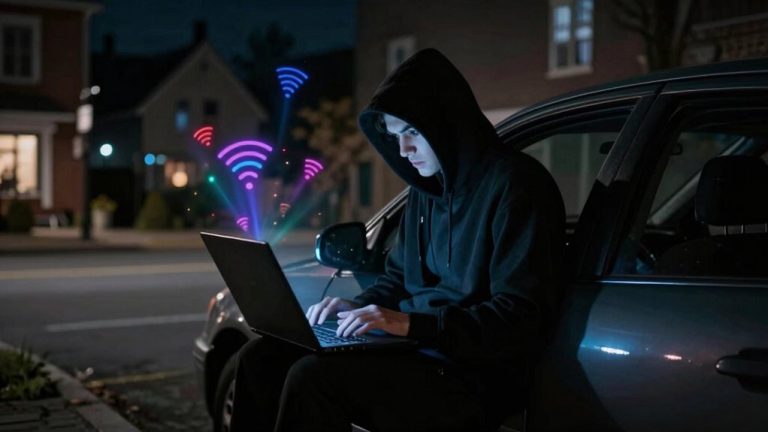
While gaming can be a fun escape, it also poses significant risks. One major concern is the presence of online predators who use these platforms to exploit vulnerable kids. They can create fake identities, gaining your child’s trust and leading to dangerous situations.
Gaming can be enjoyable, but it also invites risks like online predators who exploit children by creating deceptive identities.
Another risk is gaming addiction, where your child may prioritize gaming over real-life responsibilities and relationships. This addiction can affect their mental health, academic performance, and social skills.
Awareness of these risks is essential for ensuring a safer online experience. By understanding these threats, you can better protect your child while allowing them the freedom to enjoy their gaming adventures.
Strategies for Talking Openly About Online Safety
Understanding the risks of online gaming is just the first step in keeping your child safe in the digital world. To foster open conversations about online safety, consider using role playing scenarios. This approach allows your child to practice responding to different situations they might encounter. Encourage them to think critically about their choices and actions.
Additionally, create a safety checklist together that outlines important rules for online interactions, like not sharing personal information and reporting suspicious behavior.
Make these discussions regular, so your child feels comfortable coming to you with concerns. By engaging in these strategies, you empower your child to navigate the gaming world confidently and safely, helping them enjoy their freedom while staying protected.
What Inappropriate Behaviors Should Kids Look Out For?

What signs should you be aware of when your child is online? Kids should be alert to inappropriate behaviors like unsolicited messages or requests for personal information.
Grooming tactics can be subtle; a stranger might flatter your child or share personal stories to gain trust. Encourage your child to recognize when someone tries to manipulate or isolate them.
Additionally, watch for cyberbullying signs, such as sudden changes in your child’s mood or reluctance to engage with friends. Remind them that they can always come to you if they feel uncomfortable or threatened.
Empowering your child with knowledge about these behaviors can help them navigate the online world safely and confidently. Keep communication open, and let them know they’re never alone in this journey.
How to Report and Block Strangers in Games
While playing online games, it’s crucial to know how to report and block strangers who exhibit inappropriate behavior.
Start by familiarizing yourself with the reporting procedures specific to the game you’re playing; most games have a simple option in the menu. If a player makes you uncomfortable, don’t hesitate to report them using this feature.
Blocking mechanisms are equally important—utilize them to prevent unwanted interactions. Once you block someone, they won’t be able to message or join your game.
Remember, your gaming experience should be enjoyable and free from harassment. Encourage your friends to do the same; sharing knowledge about these tools creates a safer gaming environment for everyone.
Stay vigilant and prioritize your comfort while gaming!
Teach Kids Problem-Solving for Online Scenarios

When kids encounter challenging situations online, it’s essential they know how to approach problem-solving effectively. Engage them with role-playing scenarios that mimic real-life online interactions.
These exercises help them practice decision-making skills in a safe environment, allowing them to explore various outcomes. Encourage kids to ask questions like, “What are my options?” or “What could happen if I choose this path?”
Reinforce the idea that it’s okay to pause and think before reacting. By empowering them to analyze situations and consider consequences, you’ll help them build confidence in their abilities.
This proactive approach not only enhances their problem-solving skills but also fosters a sense of autonomy, equipping them to navigate the online world safely and wisely.
Frequently Asked Questions
What Age Should Kids Start Playing Online Games?
Kids can start playing online games around age 8, as it fosters social development and offers gaming benefits. Just make certain you guide them, helping them navigate the online world while enjoying their newfound freedom.
How Can Parents Monitor Their Child’s Gaming Activity?
To monitor your child’s gaming activity, set specific game time limits and regularly check privacy settings. Encourage open conversations about their online experiences, fostering trust while ensuring they’re safe in their virtual adventures.
Are There Safe Gaming Platforms for Younger Children?
Yes, there are safe gaming platforms for younger children. Look for child-friendly platforms like Roblox or Minecraft, which offer parental controls and moderated environments. Always explore settings together, ensuring your child enjoys a secure gaming experience.
How Can Kids Differentiate Between Friendly and Suspicious Players?
You can teach kids to watch player behavior closely. Friendly players often share strategies, while suspicious players might ask personal questions or pressure for information. Encourage them to trust their instincts and recognize safety signals.
What Are the Signs of Cyberbullying in Gaming?
You’ll notice cyberbullying signs like aggressive messages, unwanted friend requests, or exclusion from groups. These behaviors can lead to serious gaming consequences, affecting your enjoyment and mental well-being. Stay aware and speak up when needed.