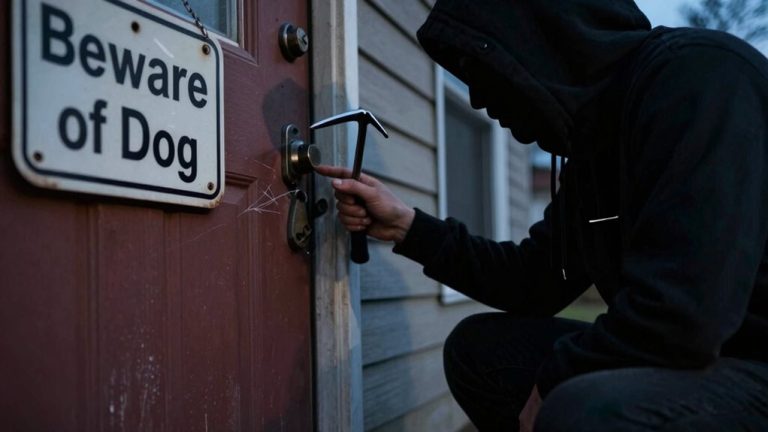
Have you ever thought about how secure your home really is? The Ultimate Home Security Audit provides a structured way to uncover vulnerabilities that could jeopardize your safety. By systematically evaluating entry points, locks, and lighting, you can greatly enhance your home’s defenses. But what specific steps should you take to guarantee you’re making the right choices? The following sections will guide you through the essential components of a thorough security evaluation.
Identify Vulnerable Entry Points Around Your Home
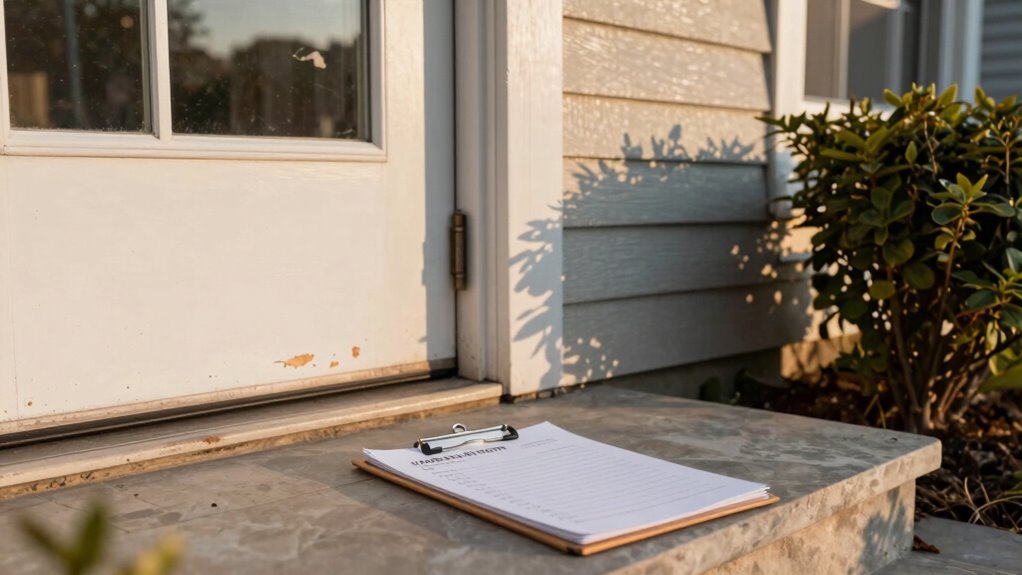
When evaluating your home’s security, start by identifying the five most vulnerable entry points that could be easily exploited by intruders.
These spots often include doors, windows, garages, basements, and even hidden access points like vents or crawl spaces. Wireless alarm systems can be particularly effective in these areas, providing an extra layer of protection without damaging your walls.
By thoroughly examining each area, you can understand your home’s security landscape.
Look for weak locks, inadequate lighting, and overgrown landscaping that may provide cover for would-be intruders. Remember, intruders often seek the path of least resistance.
By reinforcing these vulnerable areas, you not only deter potential threats but also guarantee your freedom and peace of mind.
Consider installing wireless security systems that do not damage walls for added protection. Regularly revisiting this evaluation will keep your home safe and secure, adapting to any changes in your surroundings.
Evaluating Locks, Doors, and Windows for Security
To enhance your home’s security, it’s essential to evaluate the locks, doors, and windows, as these are primary access points for intruders. Start by checking the lock types on your doors; deadbolts provide superior protection compared to standard locks. Additionally, inspect your windows for security features like reinforced glass and secure locks. Implementing advanced security measures can further improve the overall safety of your home, including the use of smart locks to eliminate the risk of being locked out and provide keyless entry options.
Here’s a quick reference table to help you assess your options:
| Feature | Recommendation |
|---|---|
| Door Lock Type | Deadbolt |
| Window Lock Type | Keyed Lock |
| Door Material | Solid Wood or Steel |
| Window Security | Laminated or Tempered Glass |
| Reinforcement | Security Film |
How to Choose the Best Alarm Systems and Cameras for Your Home?
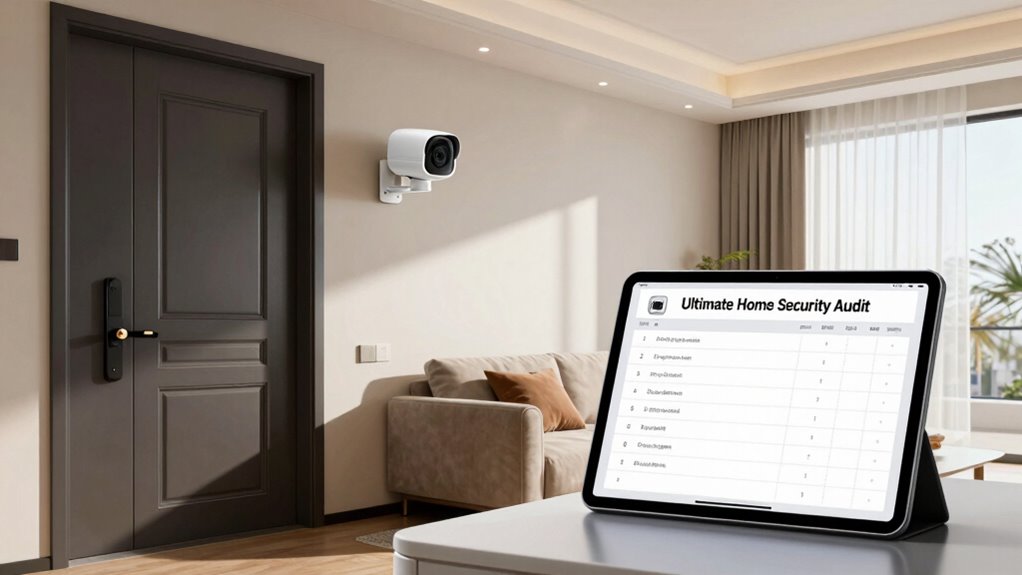
How do you determine which alarm systems and cameras will best protect your home? Start by evaluating your specific needs and the layout of your property.
Consider various alarm system types, such as wired, wireless, or hybrid systems, and assess their integration with smart home technology. Look for features like remote monitoring, alarms, and smartphone notifications, which empower you to respond quickly. Additionally, consider the advantages of professional monitoring that can ensure immediate emergency response in case of threats.
When selecting cameras, prioritize resolution, night vision, and field of view. Indoor and outdoor cameras should offer weatherproofing and reliable connectivity.
Research user reviews and expert ratings to guarantee reliability and ease of use. Finally, weigh your budget against essential features, ensuring you invest in a system that provides freedom and peace of mind. Additionally, consider the benefits of professional monitoring services to enhance your home security and provide immediate emergency response.
Improving Outdoor Lighting for Safety
While enhancing outdoor lighting might seem like a simple home improvement, it plays an essential role in ensuring your safety and deterring potential intruders.
Enhancing outdoor lighting is a crucial home improvement that boosts safety and helps keep intruders at bay.
By strategically employing various lighting types, you can create a well-lit environment that enhances visibility. Consider these tips to improve your outdoor lighting:
- Install motion sensor lights to automatically illuminate when movement is detected. These lights utilize passive infrared technology to accurately detect motion and improve security. Additionally, integrating smart lights can allow for customizable settings and remote control for enhanced security measures.
- Use LED floodlights for bright, wide coverage in high-risk areas.
- Incorporate pathway lights to guide visitors and deter intruders.
- Add timers to lights for added unpredictability, simulating occupancy.
Daily Security Practices for Homeowners
Even if you think your home is secure, adopting daily security practices can markedly enhance your protection against potential threats.
Start by locking all doors and windows, even when you’re home. Simple habits like this can deter intruders. Additionally, a home security system can provide critical time for family members to reach safety during a break-in.
Participate in your neighborhood watch program; having a network of vigilant neighbors can provide an extra layer of security.
Keep your valuables out of sight, and consider using timers for lights to create the illusion of occupancy when you’re away. A home security system can help deter intruders and notify authorities during thefts, minimizing losses.
Regularly review your home insurance policy to verify it meets your needs; it’s a safety net in case of an emergency. Additionally, ensure that your home is equipped with wireless motion sensors to further enhance your security measures.
Regularly Updating and Maintaining Your Home Security Measures
To guarantee your home remains a fortress against intruders, regularly updating and maintaining your security measures is essential. This includes not only physical equipment but also your digital defenses.
- Conduct routine inspections of locks, cameras, and alarms to verify everything functions correctly.
- Update security software on your devices to protect against new cyber threats.
- Replace batteries in alarms and motion detectors to avoid failures when you need them most.
- Review your security protocols periodically to adapt to any changes in your environment or lifestyle.
Frequently Asked Questions
What Are Common Signs of a Security System Breach?
If you hear unexpected noises at odd hours or notice missing items, it’s like a neon sign flashing a security system breach. Trust your instincts, investigate immediately, and secure your freedom before it slips away.
How Often Should I Conduct a Home Security Audit?
You should conduct annual reviews of your home security system, complemented by seasonal checks. This regular maintenance guarantees your security measures remain effective, adapting to any changes in your environment or lifestyle, enhancing your freedom and safety.
Can Pets Affect Home Security System Effectiveness?
Imagine a vigilant guard dog, yet if it’s too playful, it might trip your security sensors. Pets can disrupt your home security system’s effectiveness with their behavior, so consider training them to minimize false alarms.
What Are Best Practices for Securing Windows?
To secure windows effectively, install sturdy window locks and apply security film. These measures strengthen glass against breakage, deter intruders, and enhance your home’s overall safety, ensuring you enjoy your freedom without worry.
How Do I Educate My Family About Home Security?
To educate your family about home security, hold family meetings and security workshops. Engage them in discussions, share stories, and create a sense of unity. Empower each member, turning awareness into a fortress of safety.