
Creating a wildfire defensible space is essential for safeguarding your home from potential fire threats. It involves strategic landscaping techniques that minimize fire risks while enhancing your property’s aesthetic. By understanding the principles of defensible space, you can effectively reduce fuel sources around your home. However, knowing where to start can be overwhelming. Let’s explore how to establish a robust defensible space that not only protects but also complements your landscape.
What Is Defensible Space and Why Should You Care?
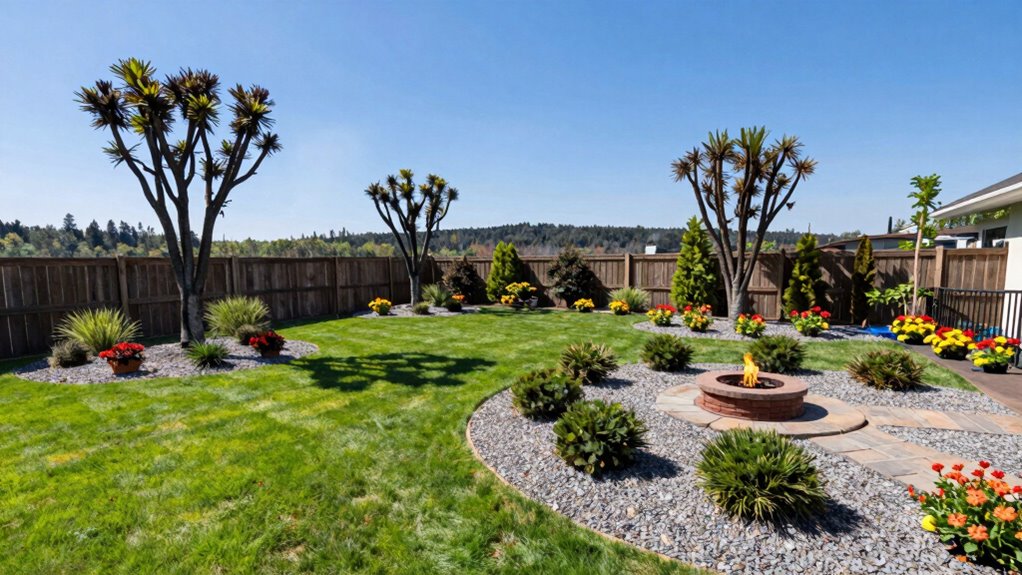
Defensible space refers to the buffer zone between a structure and the wildland area that helps protect homes from wildfires. Understanding the importance of this space is essential for homeowners in fire-prone regions.
The primary defensible space benefits include reducing wildfire risk and increasing your home’s chances of surviving an encroaching fire. By creating a defensible space, you minimize flammable materials and create barriers that can slow down or stop fire spread.
This proactive measure not only safeguards your property but also enhances your peace of mind. Ultimately, investing time and resources into establishing a defensible space empowers you to protect what matters most, ensuring that your home remains a safe refuge amidst the natural beauty surrounding it.
How to Create Your Defensible Space
Creating your defensible space is essential for enhancing your home’s protection against wildfires. Start by implementing effective defensible space techniques that reduce fire risk within a 30-foot zone around your property.
Clear away dead vegetation, leaves, and debris to minimize fuel sources. Use landscaping strategies such as grouping plants with similar water needs and maintaining a distance of at least 10 feet between trees and shrubs. Incorporate stone, gravel, or concrete pathways to create firebreaks.
Additionally, consider using mulch sparingly, opting for non-flammable materials instead. Regular maintenance is vital—prune trees and shrubs to keep them healthy and trimmed.
Choosing Fire-Resistant Plants for Your Defensible Space
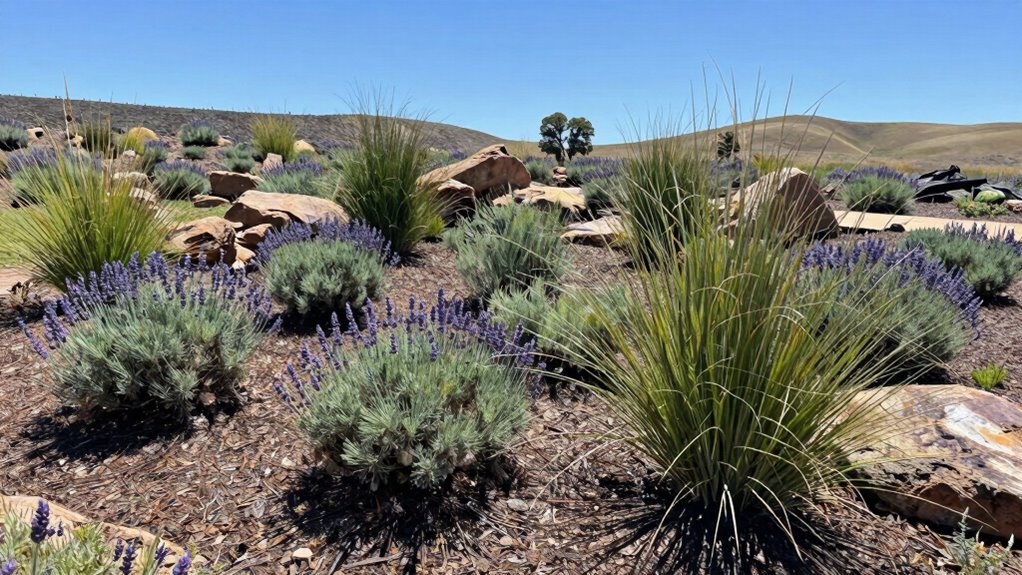
When selecting plants for your defensible space, it’s crucial to choose fire-resistant varieties that can withstand high temperatures and resist ignition.
Consider incorporating native plants, as they’re adapted to your local climate and often exhibit drought resistance, making them ideal for fire-prone areas. These plants typically require less water and maintenance, allowing you to create a sustainable landscape that supports local wildlife.
Avoid highly flammable species, such as those with high oil content or dense foliage. Instead, opt for low-growing, herbaceous plants or deciduous shrubs that can help reduce heat and slow fire spread.
Designing Plant Zones for Maximum Fire Defense
Incorporating fire-resistant plants is just one aspect of building a robust defense against wildfires; designing effective plant zones plays a pivotal role in maximizing safety.
Start by evaluating your landscape to determine ideal zone spacing. Create three distinct zones: the defensible space zone, the intermediate zone, and the wildland zone.
In the defensible space zone, prioritize plant selection for fire-resistant species, ensuring they’re well-spaced to reduce fire spread. The intermediate zone can include less fire-resistant plants but should still maintain spacing to limit fuel continuity.
Finally, the wildland zone should consist of native vegetation, kept at a distance from structures. This strategic layout minimizes fire risk while preserving the natural beauty of your landscape.
Further Reading on Defensible Space and Wildfire Preparedness
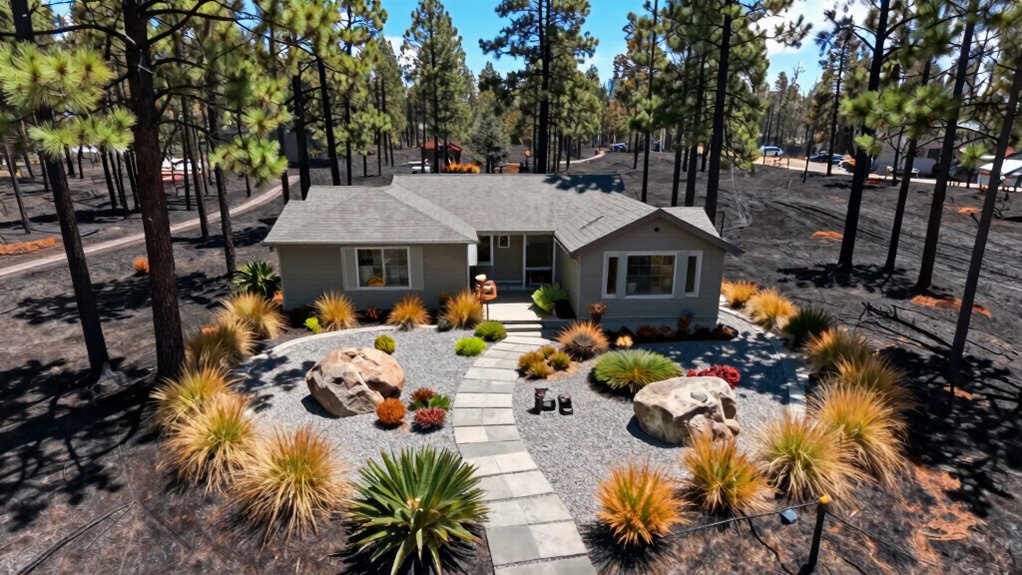
Understanding the principles of defensible space and wildfire preparedness is essential for protecting your home and property.
Understanding defensible space and wildfire readiness is crucial for safeguarding your home and property.
To enhance your fire safety knowledge, consider diving deeper into the following resources:
- Local Fire Department Guidelines: Familiarize yourself with specific fire safety regulations and recommendations tailored to your area.
- Wildfire Preparedness Workshops: Attend hands-on sessions that equip you with practical skills and strategies for emergency preparedness.
- Online Courses: Explore reputable online platforms offering courses on wildfire risk reduction and landscaping techniques.
Frequently Asked Questions
How Often Should I Maintain My Defensible Space Landscaping?
You should maintain your defensible space landscaping seasonally. Regularly apply landscaping techniques like pruning, clearing debris, and managing vegetation to keep it effective. Staying proactive guarantees your space remains resilient against potential wildfire threats.
Can I Use Mulch in My Defensible Space?
You can use mulch in your defensible space, but choose fire-resistant mulch types like rubber or gravel. Avoid flammable materials, ensuring your landscaping effectively reduces fire risk while enhancing your property’s aesthetic appeal.
Are There Specific Regulations for Defensible Space in My Area?
Yes, there’re specific defensible space regulations based on local fire codes. Check with your local fire department or municipal website to verify your property meets these guidelines, protecting your home while enjoying your freedom.
What Are the Costs Associated With Creating Defensible Space?
Creating defensible space involves installation expenses for vegetation removal and landscaping, plus ongoing maintenance costs for upkeep. You’ll need to budget for both initial investments and regular care to guarantee effective fire mitigation.
How Can I Educate My Neighbors About Defensible Space?
You can host community workshops and distribute informational pamphlets. By blending knowledge with engagement, you’ll empower your neighbors to understand defensible space’s importance. This collaborative effort strengthens both your homes and your community’s resilience.