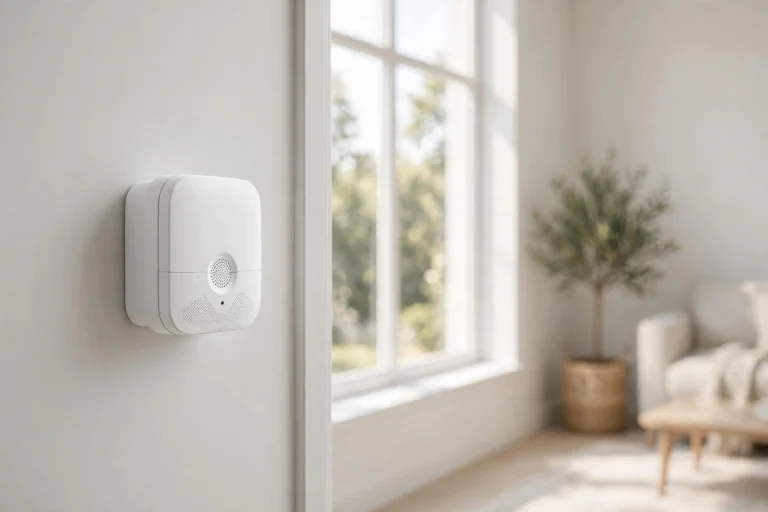

Home security isn’t just about installing the latest gadgets; it’s about understanding the unique vulnerabilities of your home and neighborhood. While alarms and cameras play a role, they can’t replace a well-thought-out security strategy. By evaluating potential risks and fostering community engagement, you can create a more thorough approach to safety. What steps can you take to build a robust security plan that addresses both physical and psychological factors?
Understanding Vulnerabilities in Your Home
Identifying vulnerabilities in your home is essential for effective security planning. Conducting a vulnerability assessment enables you to pinpoint weak spots that could compromise your safety.
Start by evaluating entry points like doors and windows; are they sturdy and secure? Consider the perception of risk regarding your neighborhood and how that influences your home’s security needs. Homes without security systems are at a higher risk of being robbed compared to those with systems, reinforcing the importance of thorough planning.
Next, assess the interior, looking for areas that lack visibility, such as dark hallways or secluded spaces. Your risk perception plays a significant role here—if you feel your environment is safe, you might overlook critical vulnerabilities.
Assess your home’s interior for hidden vulnerabilities; risk perception can blind you to crucial security weaknesses.
Finally, take into account technology, like surveillance systems and alarms; they’re only as effective as the foundation of security you establish. Professional monitoring services can enhance your security strategy by ensuring immediate response during emergencies. A home security system can prevent life-threatening encounters between intruders and residents, making it vital to incorporate this aspect into your planning.
Understanding these vulnerabilities empowers you to create a robust security strategy that prioritizes your freedom and peace of mind, ensuring you’re not just reactive but proactive in safeguarding your home.
The Importance of Home Security Planning
When it comes to protecting your home, detailed assessment of vulnerabilities is essential. By identifying weak points, you can develop an all-encompassing strategy that addresses potential threats effectively. This proactive approach not only enhances your security but also provides peace of mind for you and your loved ones. Additionally, understanding your security needs will help in selecting the right system tailored to your home and lifestyle. Implementing measures such as carbon monoxide sensors is crucial in safeguarding your family from unseen dangers.
Assessing Vulnerabilities Thoroughly
How can you effectively safeguard your home without a thorough assessment of its vulnerabilities? A solid vulnerability assessment is the foundation of any home security plan.
It allows you to identify risks specific to your environment and lifestyle. Here are three key components to focus on:
- Physical Entry Points: Examine doors, windows, and garages for weaknesses that may allow unauthorized access.
- Surrounding Environment: Assess the outdoor landscape for hiding spots that could facilitate a break-in, like dense bushes or poorly lit areas.
- Technology and Devices: Evaluate your current security systems—are they outdated or insufficient for your needs? Additionally, consider the importance of securing your valuables as part of your comprehensive security strategy.
Developing a Comprehensive Strategy
Once you’ve assessed your home’s vulnerabilities, the next step is crafting a thorough security strategy that addresses those specific risks.
Start by analyzing your home layout; identify weak points such as windows and doors that may require reinforcement. Incorporate physical barriers like fences and motion-sensor lights to deter intruders. Additionally, consider installing affordable surveillance systems that can provide an extra layer of monitoring.
Next, develop security habits that fit your lifestyle. This includes locking doors, setting alarms, and being mindful of who you share access with. Additionally, consider integrating smart home technology to enhance your overall security measures and improve monitoring efficiency.
Regularly review and update your strategy as your needs change or as new threats emerge.
Assessing Your Home Security Needs

Here are three key aspects to evaluate:
- Vulnerability Analysis: Identify weak points around your property, such as unlit areas or easily accessible windows. Consider utilizing wireless motion sensors to enhance your security coverage and minimize blind spots.
- Crime Statistics: Research local crime rates to understand the specific threats your neighborhood faces.
- Personal Lifestyle: Consider your daily routines, travel habits, and any valuables that might attract unwanted attention. Additionally, understanding the benefits of customizable security solutions can help you tailor your security measures to fit your specific needs. Regular maintenance ensures that your chosen security systems remain functional and effective.
How Neighborhood Watch Programs Enhance Home Security
Engaging in a Neighborhood Watch program can greatly bolster your home security efforts. By fostering neighborhood involvement, you create a network of eyes and ears that actively monitor your surroundings. This community vigilance not only deters potential criminals but also cultivates a sense of belonging and responsibility among residents.
When you participate in a Neighborhood Watch, you’re not just protecting your home; you’re reinforcing the safety of your entire community. Regular meetings and shared communication enhance awareness about local crime trends and suspicious activities. This proactive approach fosters trust and collaboration, allowing neighbors to report concerns quickly.
Moreover, having a dedicated group of vigilant neighbors can lead to quicker responses in emergencies. Your involvement sends a clear message: this community values safety and won’t tolerate criminal behavior.
Choosing Home Security Devices That Fit Your Needs
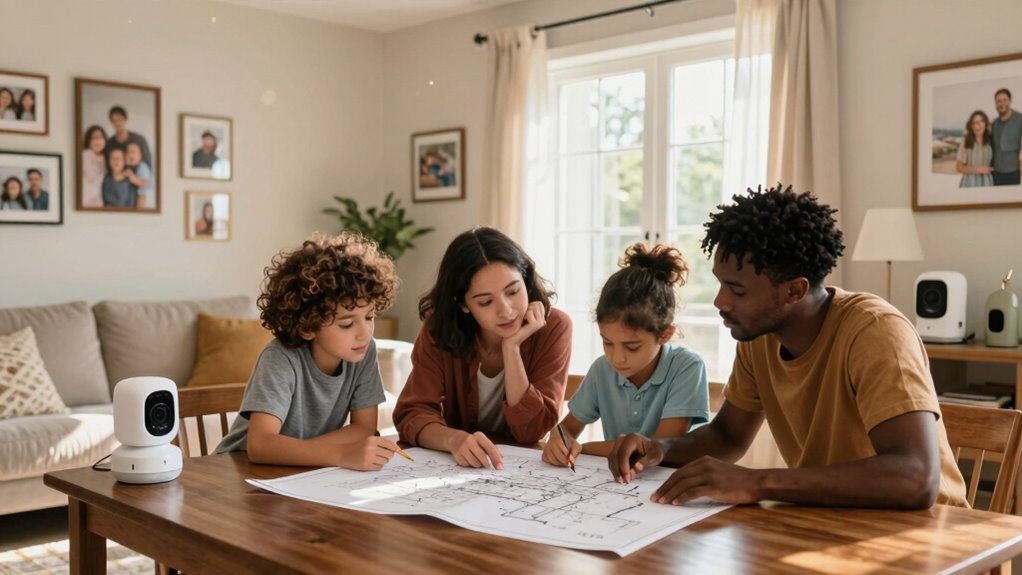
Here are three key factors to take into account:
- Device Compatibility: Verify that new devices seamlessly integrate with your existing systems. Compatibility can save you time and money in the long run.
- Budget Considerations: Set a realistic budget that accounts for both initial costs and ongoing expenses. This helps you avoid overspending on unnecessary features.
- Specific Security Requirements: Identify potential vulnerabilities in your home. Do you need indoor cameras, outdoor motion sensors, or smart locks? Tailor your choices to address these needs effectively. Additionally, consider the benefits of professional monitoring services to enhance your overall security strategy.
How to Create an Emergency Plan for Your Family
Creating an effective emergency plan for your family starts with identifying key emergency contacts and establishing safe meeting points.
You’ll want to guarantee everyone knows these details and practices them regularly.
Conducting drills will help reinforce your plan, making it second nature when an actual emergency arises.
Identify Emergency Contacts
When an emergency strikes, who do you turn to for help? Identifying reliable emergency contacts is essential for effective emergency communication.
Establish a contact hierarchy to streamline your response. Here’s how to do it:
- Primary Contacts: Designate immediate family members or trusted friends who can act quickly if you’re unreachable.
- Secondary Contacts: Identify neighbors or local relatives who can assist in your absence and provide support.
- Emergency Services: Keep important numbers, such as local police, fire department, and medical services, easily accessible.
Establish Safe Meeting Points
After establishing your emergency contacts, the next step is to set up safe meeting points for your family. Designated locations should be easily accessible and known by all family members.
Choose spots away from your home, like a neighbor’s yard or a local park, ensuring they’re in areas that feel secure. This strategy not only helps in emergencies but also enhances your family communication.
Make sure everyone understands the importance of these locations and practices getting to them. Regularly review these points to accommodate any changes, like new family members or differing daily routines.
Conduct Regular Drills
Regularly conducting drills is essential for reinforcing your family’s emergency plan. By practicing responses to various situations, you guarantee everyone knows what to do when it counts.
To create effective drills, consider the following:
- Drill Frequency: Schedule drills at least quarterly to keep skills fresh and communication open.
- Drill Scenarios: Vary the scenarios you practice, such as fire, home invasion, or natural disasters, so everyone is prepared for different threats.
- Debriefing: After each drill, hold a brief discussion to assess what went well and what needs improvement, fostering a culture of continuous learning.
Strategies to Mitigate Home Security Risks
To effectively mitigate home security risks, you must adopt a multi-faceted approach that considers both preventive measures and responsive strategies. Start with a thorough risk assessment to identify vulnerabilities in your home. This awareness will allow you to prioritize security enhancements.
Implement the following strategies:
| Strategy | Description |
|---|---|
| Install Quality Locks | Verify all entry points have high-security locks. |
| Enhance Outdoor Lighting | Illuminate dark areas to deter potential intruders. |
| Create a Neighborhood Watch | Collaborate with neighbors to report suspicious activity. |
| Use Security Cameras | Monitor your property and deter criminal behavior. |
| Practice Security Awareness | Educate your family on recognizing security threats. |
Update Your Security Measures Regularly
To keep your home secure, you need to assess vulnerabilities frequently and stay ahead of potential threats.
Regularly upgrading your technology guarantees that you’re equipped with the latest defense mechanisms.
Assess Vulnerabilities Frequently
While you may have implemented robust security measures, it’s essential to assess vulnerabilities frequently to confirm your home remains safe.
Conducting regular vulnerability assessments allows you to identify weaknesses that could be exploited. Here’s how you can effectively perform your risk analysis:
- Review Access Points: Check all entryways, including doors and windows, for any signs of wear or damage.
- Evaluate Security Devices: Verify all alarms, cameras, and locks function properly and meet current standards.
- Monitor Surroundings: Assess your property’s perimeter for changes in landscaping or neighborhood activity that could indicate potential threats.
Upgrade Technology Periodically
Upgrading technology periodically is essential for maintaining an effective home security system. As technology advancements continue to evolve, staying ahead of potential threats is critical.
Regular security upgrades not only enhance your system’s efficiency but also protect your freedom and privacy. Outdated equipment can leave you vulnerable, as newer methods of intrusion can outsmart older devices.
Evaluate your current security measures and identify gaps where advancements can be integrated. Whether it’s installing smarter cameras, adopting advanced alarm systems, or utilizing more secure software, these updates are significant.
The Psychological Benefits of a Well-Planned Security Strategy
A well-planned security strategy not only safeguards your property but also cultivates a sense of peace and confidence.
When you establish a thorough approach to home security, you enhance your psychological safety and strengthen community bonding. This proactive mindset empowers you to enjoy your living space without constant worry.
Consider these key benefits:
- Increased Vigilance: A thoughtful plan keeps you alert, making it less likely for potential threats to materialize.
- Community Cohesion: Engaging with neighbors to strategize security fosters connections and a shared sense of responsibility.
- Reduced Anxiety: Knowing you’ve taken precautions alleviates stress, allowing you to focus on what truly matters—your freedom and well-being.
Real-Life Success Stories in Home Security Planning
How do real-life examples of effective home security planning shape our understanding of safety?
Consider a neighborhood that implemented community engagement through regular safety meetings. Residents shared concerns and brainstormed proactive measures, leading to the installation of neighborhood watch programs. These initiatives not only deterred crime but also fostered a sense of unity and vigilance among residents.
Another success story involves a family that assessed their home layout and identified weak points. By reinforcing entry points and using outdoor lighting strategically, they reduced their vulnerability markedly. Their proactive measures, combined with a strong communication network with neighbors, made the entire area safer.
These examples illustrate that security isn’t solely about devices. Instead, it’s about creating a culture of awareness and collaboration.
When you focus on planning and community involvement, you empower yourself and your neighbors to take control of your safety, promoting freedom and peace of mind.
Frequently Asked Questions
How Can I Involve My Family in Home Security Planning?
You’ll want to host family meetings like it’s a corporate boardroom, assigning security roles with all the seriousness of a heist movie. Engaging everyone’s ideas not only boosts security but also builds trust and teamwork.
What Are Common Mistakes in Home Security Planning?
Common mistakes in home security planning include negligent assumptions about safety and overlooking perimeter vulnerabilities. You need to assess your home’s weaknesses, guarantee proper lighting, and create an all-encompassing strategy that addresses all potential threats effectively.
How Often Should I Review My Home Security Plan?
You should review your home security plan at least twice a year. Curiously, homes with seasonal reviews reduce burglary chances by 30%. Regular security assessments keep your space safe, allowing you to enjoy freedom without worry.
Can I Create a Security Plan on a Budget?
Absolutely, you can create a security plan on a budget. Focus on budget considerations by implementing affordable strategies like reinforcing doors, using motion-activated lights, and establishing a community watch for added vigilance without breaking the bank.
How Do I Know if My Home Security Plan Is Effective?
To know if your home security plan’s effective, conduct regular security assessments, analyze vulnerabilities, and evaluate your plan’s performance. Adjust strategies based on findings, ensuring your home remains a safe haven for you and your loved ones.