
When it comes to protecting your home in 2026, most people think about door locks and cameras — but windows are one of the most common entry points burglars exploit. A glass break sensor adds a critical layer of defense by detecting the sound or shock of shattering glass and triggering your alarm before an intruder ever steps inside. With so many options out there, from smart acoustic sensors to simple stick-on alarms, it can feel overwhelming. But don’t worry; I’ve narrowed it down to the top seven sensors that stand out this year. Curious about which ones made the cut? Let’s explore the best choices for keeping your windows secure.
Key Takeaways
- Acoustic sensors (Ring, SimpliSafe, Honeywell, Abode) listen for the sound of breaking glass and protect a whole room — but most require a compatible alarm panel or hub.
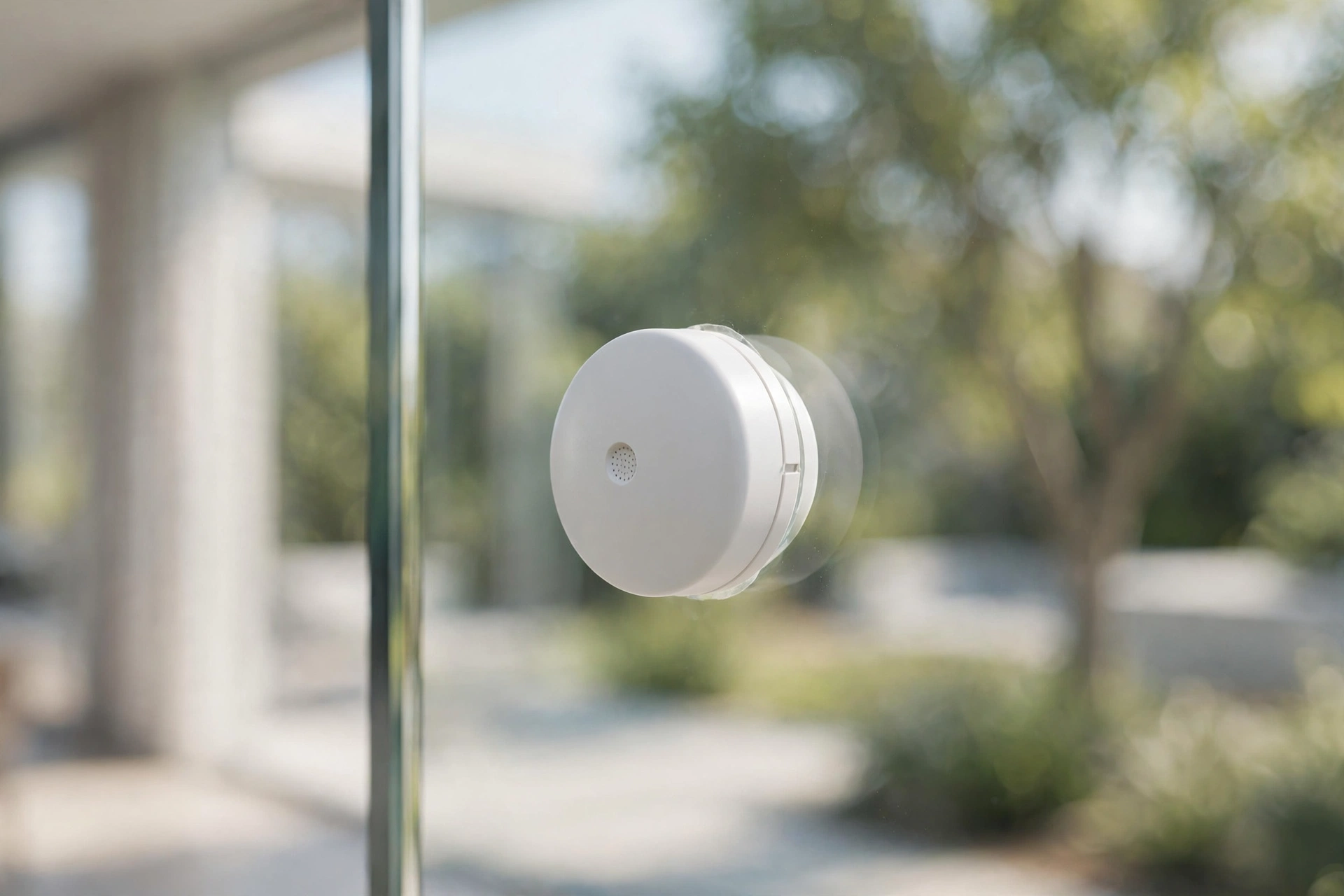
- Vibration sensors (WSDCAM, Doberman) stick directly on the glass and sound their own built-in siren — no hub, panel, or subscription needed.
- Wired sensors like the Honeywell FG-1625 are the set-it-and-forget-it pro choice with no batteries to change.
- Match the sensor to your existing system first: a Ring sensor won’t work with SimpliSafe and vice versa.
- Our top pick overall is the Ring Alarm Glass Break Sensor 2-pack for its AI false-alarm filtering and deep Ring/Alexa integration.
| Ring Alarm Glass Break Sensor – 2 Pack | 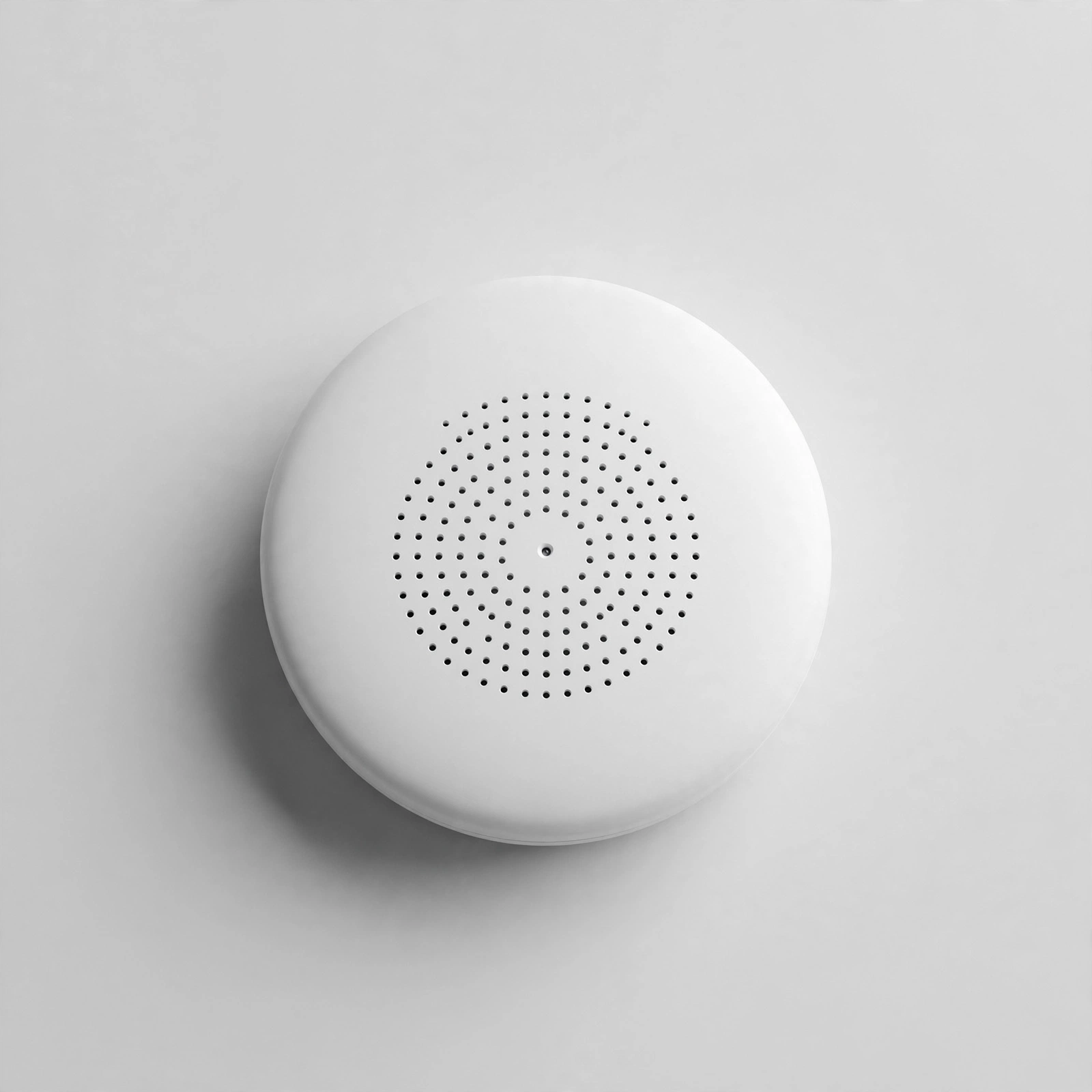 | Best Overall | Type: Acoustic AI Sensor | Compatibility: Ring Alarm / Alarm Pro | Battery: Up to 3 years | VIEW LATEST PRICE | Read Our Analysis |
| SimpliSafe Glassbreak Sensor | 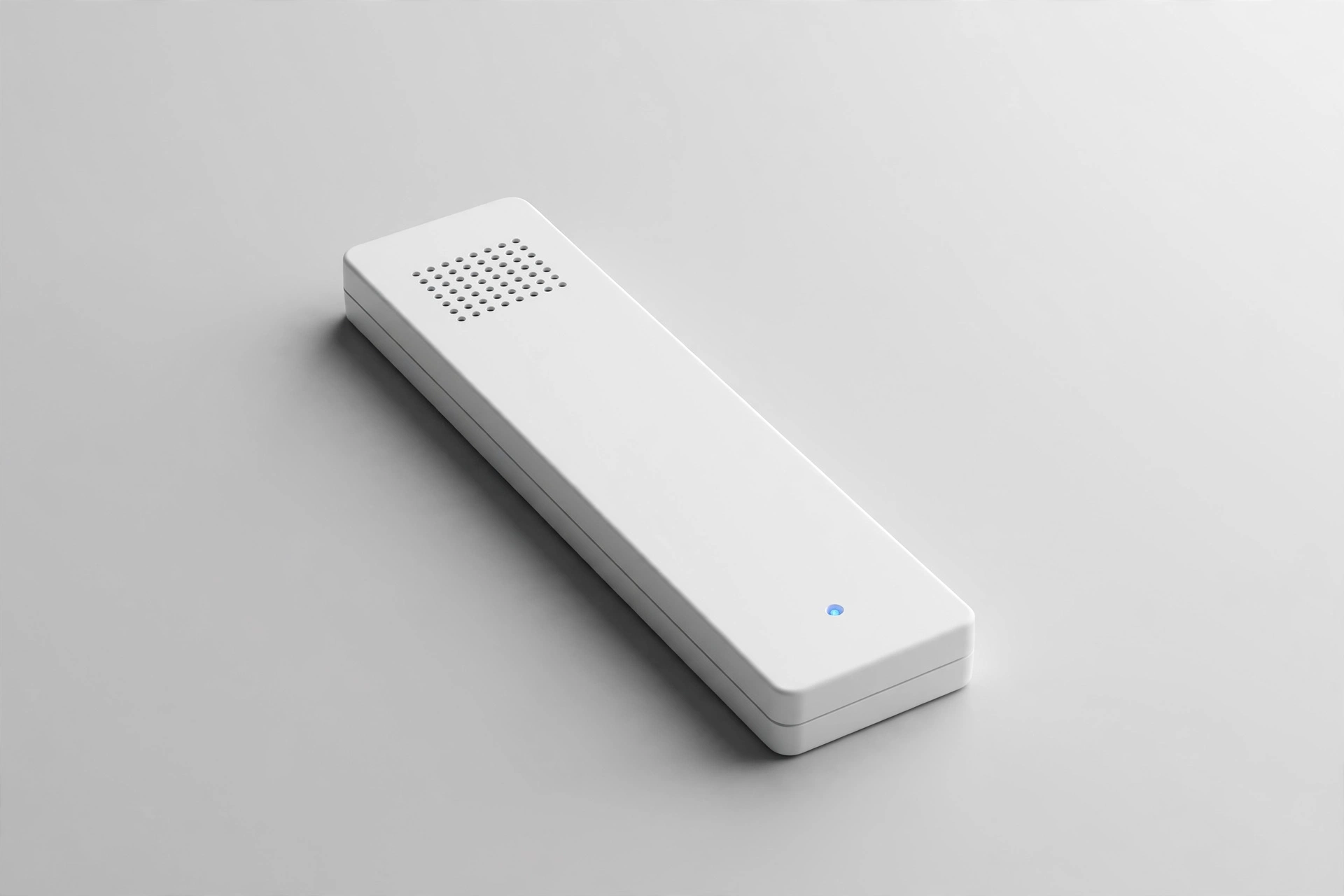 | Best for SimpliSafe | Type: Acoustic Sensor | Compatibility: SimpliSafe Gen 3 | Battery: Up to 4 years | VIEW LATEST PRICE | Read Our Analysis |
| Honeywell 5853 Wireless Glass Break Detector | 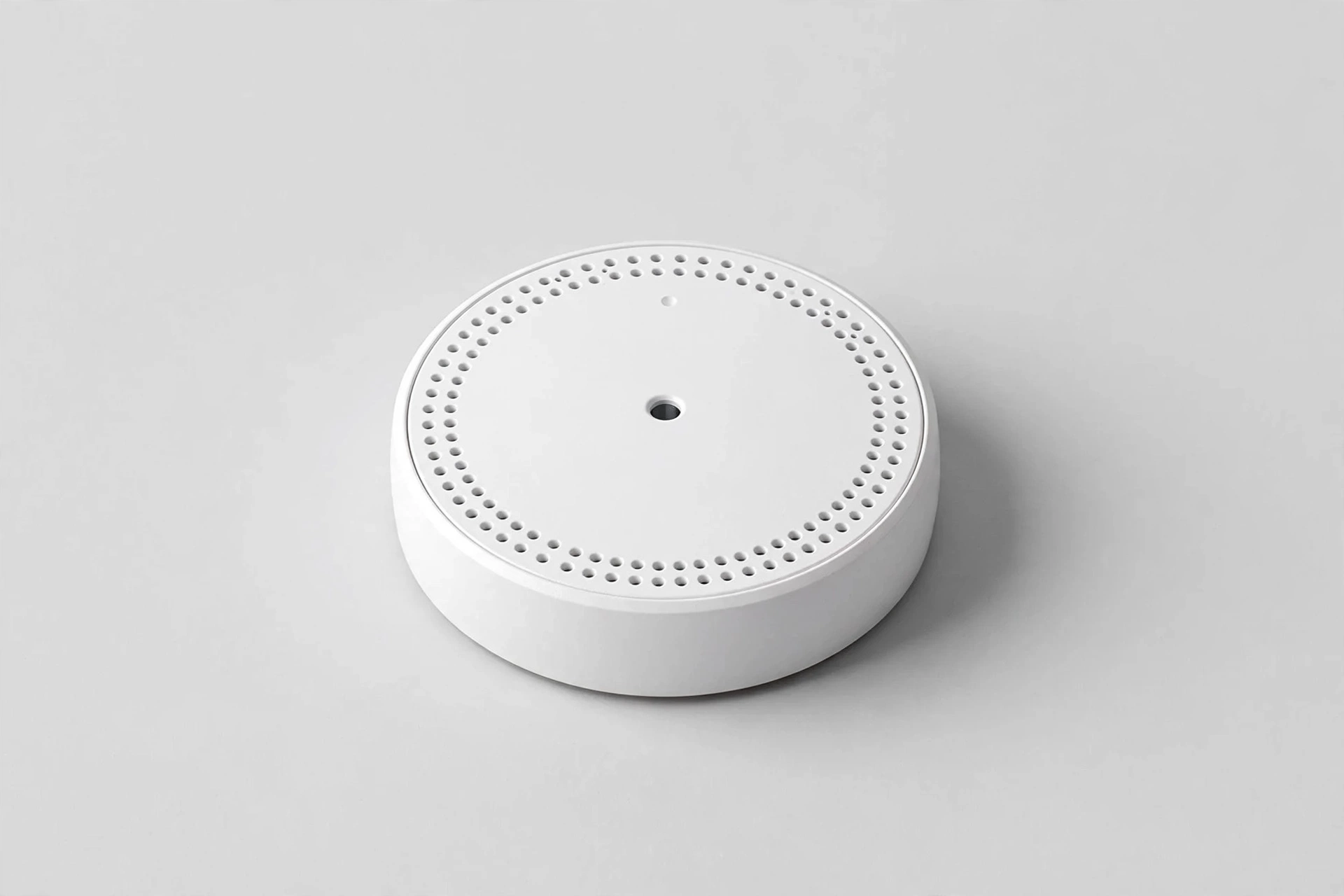 | Best for Honeywell Panels | Type: Acoustic FlexCore Sensor | Compatibility: Honeywell 5800-series panels | Battery: 3–5 years | VIEW LATEST PRICE | Read Our Analysis |
| Abode Acoustic Glass Break Sensor | 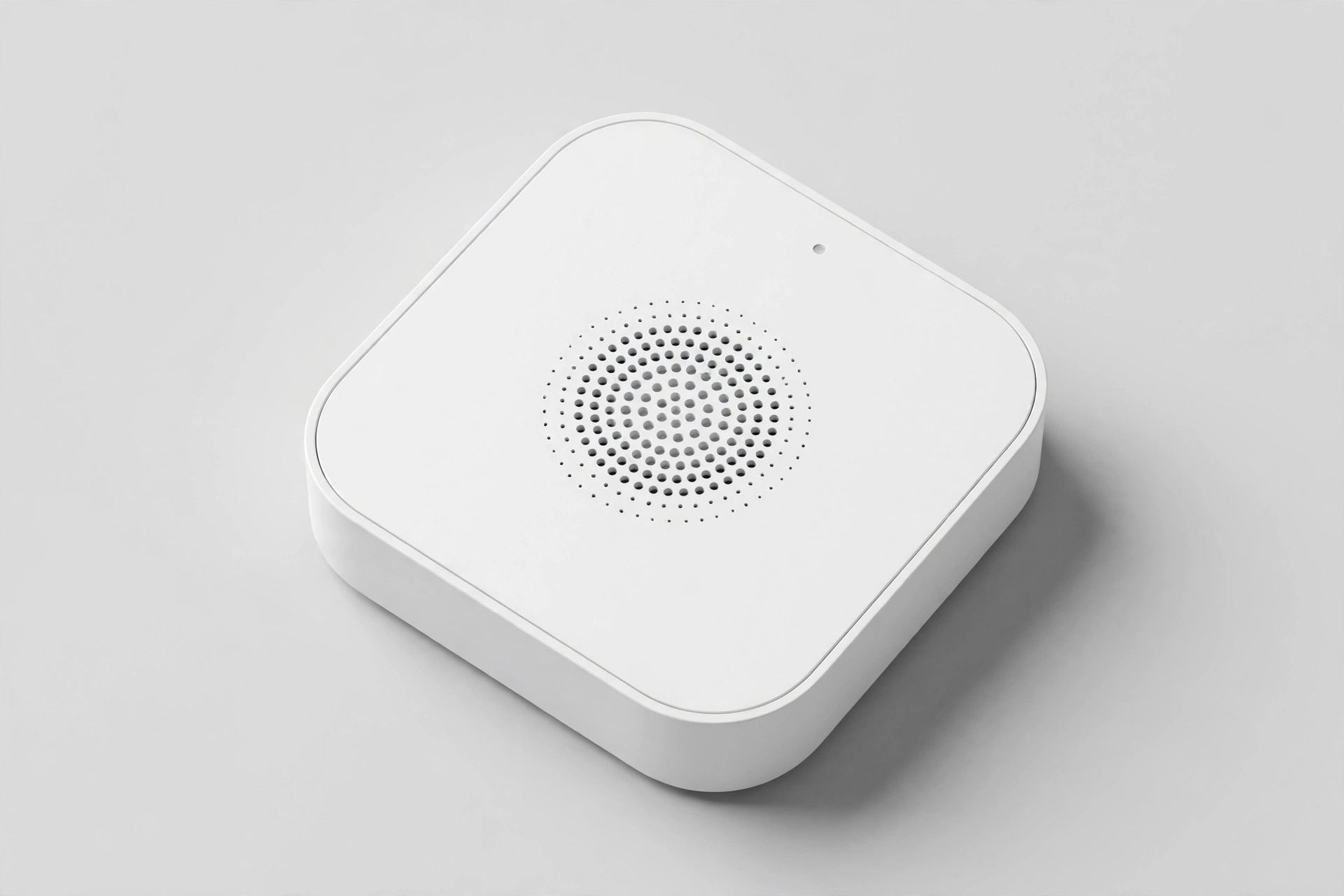 | Best for Abode | Type: Acoustic Sensor | Compatibility: Requires Abode hub | Battery: Up to 2.5 years | VIEW LATEST PRICE | Read Our Analysis |
| WSDCAM Glass Break Sensor Alarm 125dB – 4 Pack | 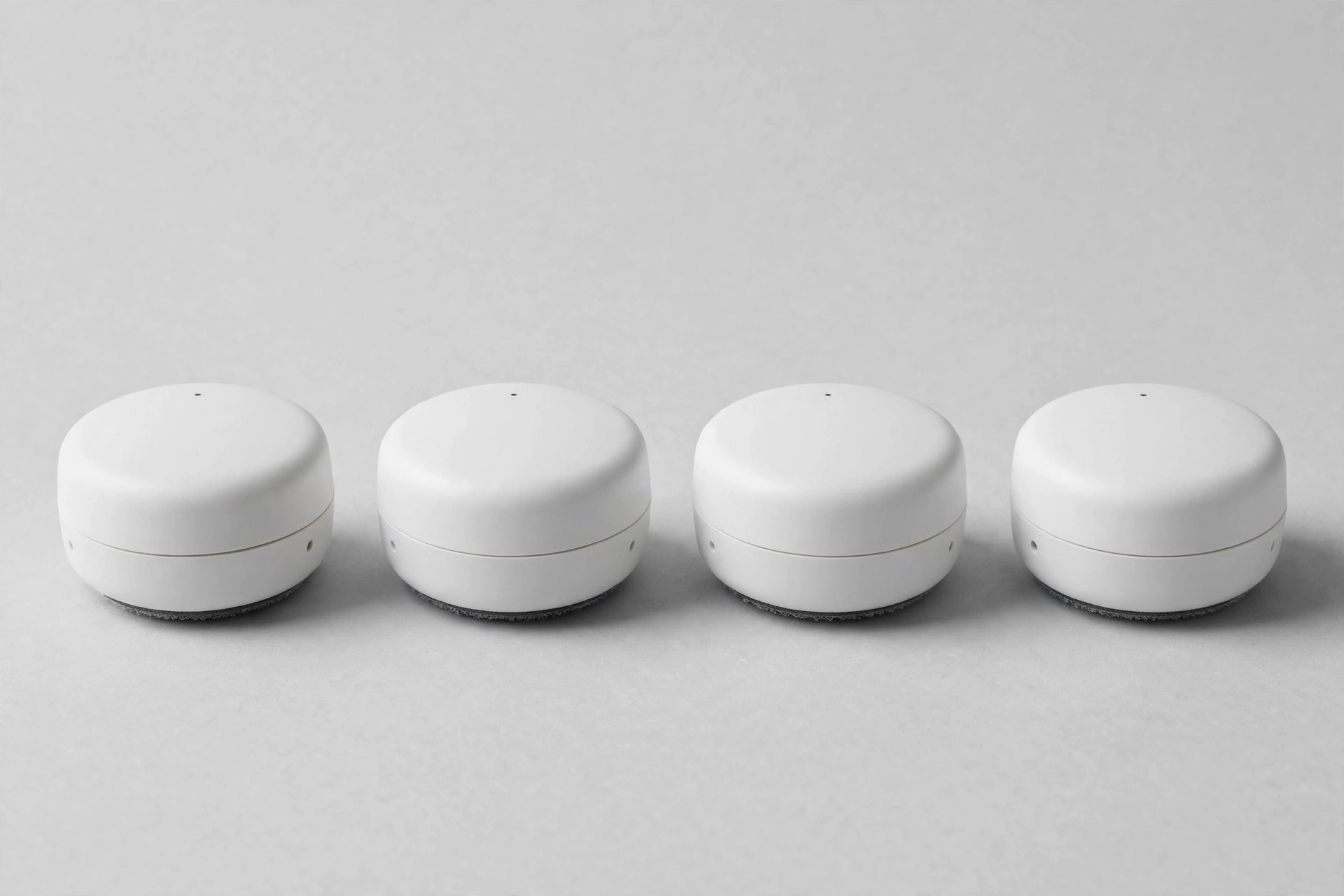 | Best Value 4-Pack | Type: Vibration/Shock Sensor | Compatibility: Standalone — no hub needed | Siren: 125 dB built-in | VIEW LATEST PRICE | Read Our Analysis |
| Doberman Security Mini Window Alert – 2 Pack | 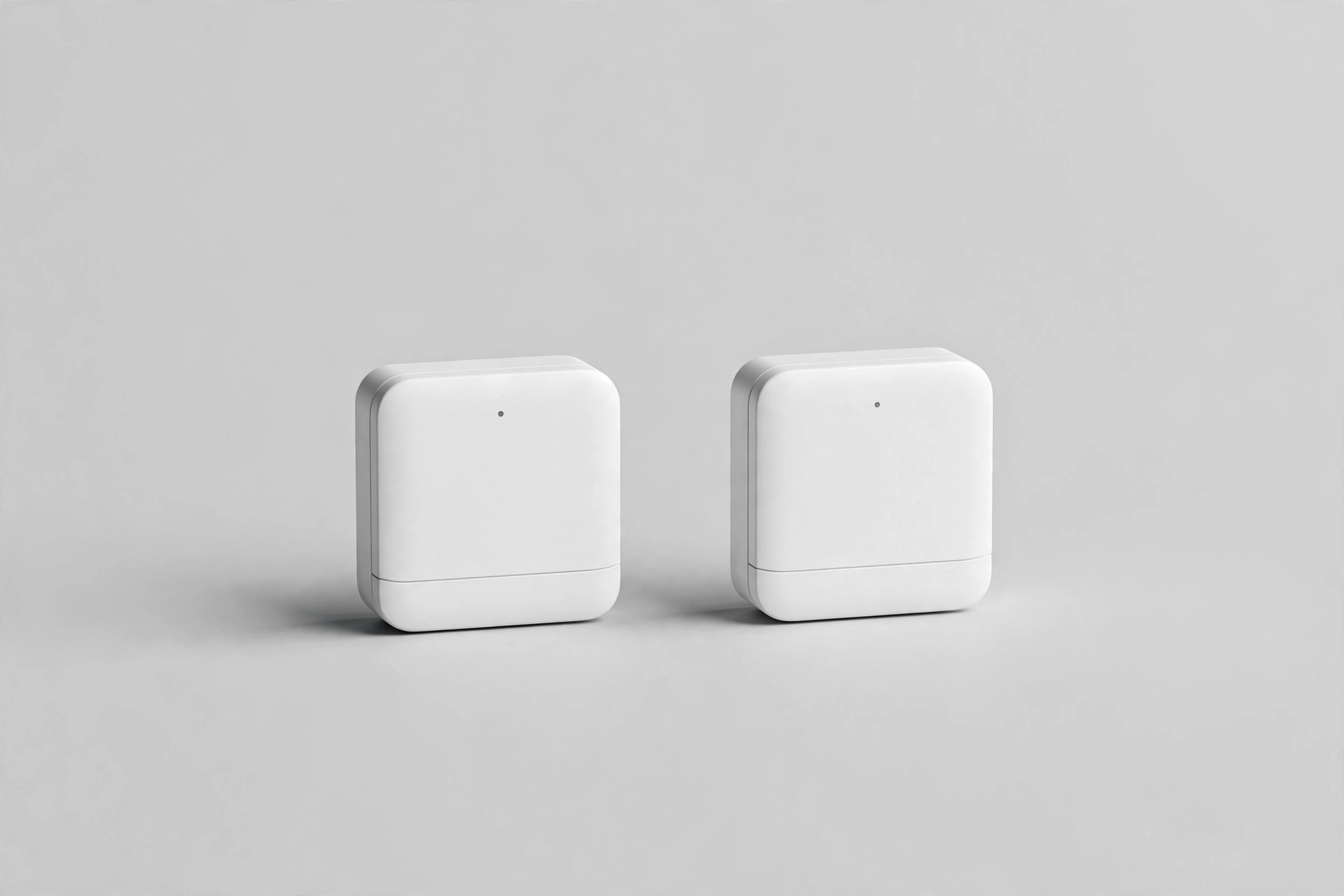 | Best Budget Pick | Type: Vibration Sensor | Compatibility: Standalone — no hub needed | Siren: 100 dB built-in | VIEW LATEST PRICE | Read Our Analysis |
| Honeywell FG-1625 Acoustic Glassbreak Sensor | 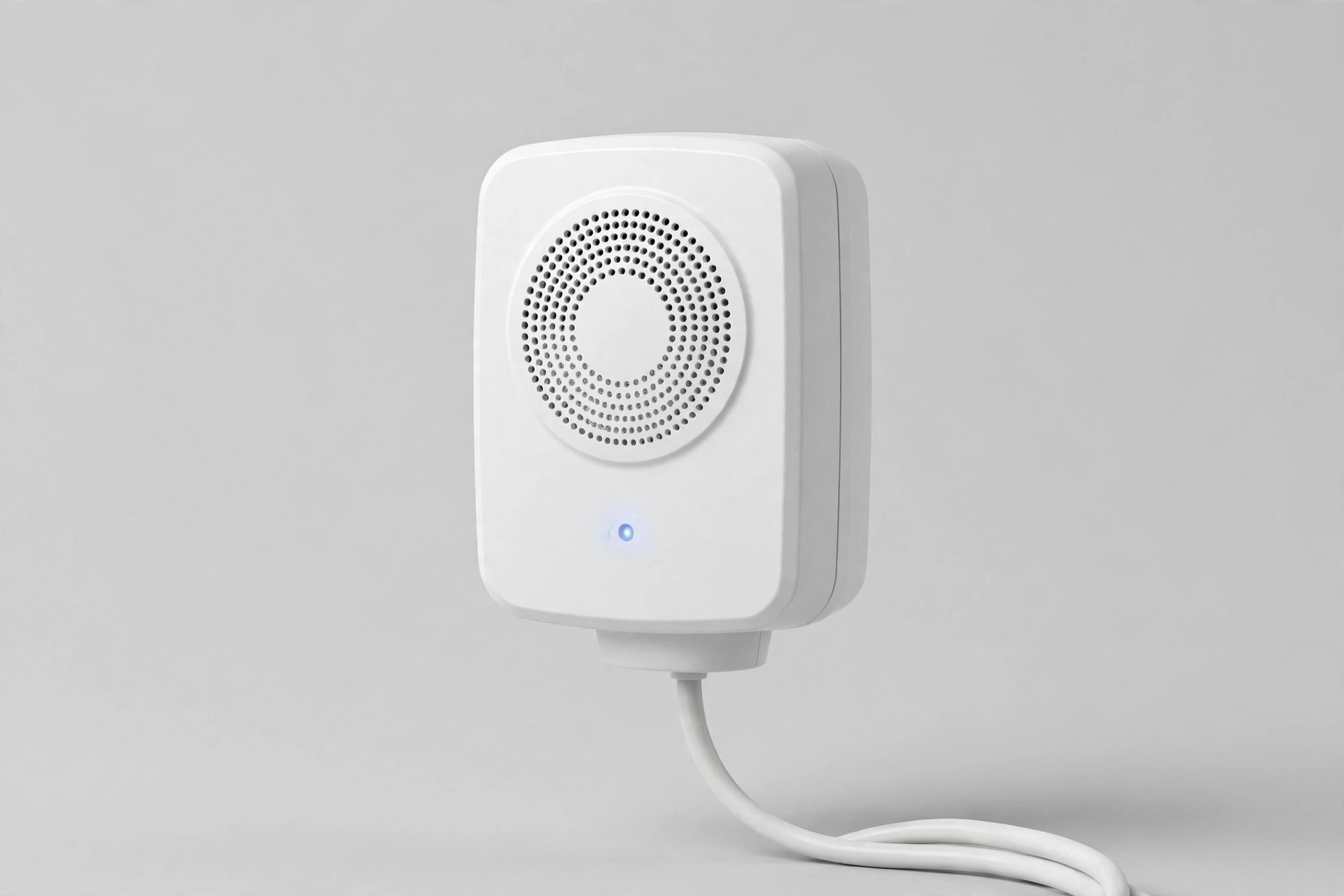 | Best Wired Option | Type: Wired Acoustic Sensor | Compatibility: Any standard alarm panel | Range: 25 ft omnidirectional | VIEW LATEST PRICE | Read Our Analysis |
Ring Alarm Glass Break Sensor – 2 Pack
If you’re already in the Ring ecosystem, the Ring Alarm Glass Break Sensor is the obvious pick — and honestly the best all-around option for most homes in 2026. Unlike basic acoustic sensors, it uses AI-based sound analysis to tell the difference between a shattering window and everyday noises like clinking glasses or a loud movie scene, which means far fewer false alarms. Each sensor covers a full room, pairs in minutes with your Ring Alarm or Alarm Pro base station, and can automatically trigger your Ring siren when the system is armed in Home or Away mode. The included 2-pack covers two vulnerable rooms out of the box, and with roughly 3 years of battery life you can mount it and forget it. With a 4.6-star rating from around 2,500 reviews, it’s the most proven sensor on this list.
- Type:Acoustic AI glass break sensor
- Compatibility:Requires Ring Alarm or Ring Alarm Pro base station
- Detection:Whole-room acoustic coverage
- Power:Battery powered — up to 3-year life
- Alerts:Mobile alerts + auto-triggers Ring siren
- Installation:Peel-and-stick or screw mount
- Use:Indoor only
- Customer Rating:4.6 out of 5 stars
SimpliSafe Glassbreak Sensor
SimpliSafe owners don’t need to look anywhere else. The SimpliSafe Glassbreak Sensor pairs natively with SimpliSafe Gen 3 systems and listens for the specific acoustic signature of breaking glass across a 20-foot range — enough to protect every window in a typical living room or bedroom from a single corner-mounted unit. Setup takes minutes with the peel-and-stick backing (shelf or screw mounting works too), and the included lithium battery runs for up to 4 years. When it trips, you get an instant app alert and your SimpliSafe siren sounds. It holds a 4.7-star rating from about 1,500 reviews, making it one of the best-reviewed sensors you can buy — provided you’re in the SimpliSafe ecosystem, since it won’t work with other panels.
- Type:Acoustic glass break sensor
- Compatibility:Requires SimpliSafe Gen 3 system
- Detection Range:Up to 20 feet
- Power:Lithium battery included — up to 4-year life
- Alerts:Instant app alerts + SimpliSafe siren
- Installation:Peel-and-stick, shelf or screw mount
- Use:Indoor only
- Customer Rating:4.7 out of 5 stars
Honeywell 5853 Wireless Glass Break Detector
If your home runs on a Honeywell Vista, Lynx, or any 5800-series wireless panel, the Honeywell 5853 is the professional-grade choice. Its FlexCore signal processor is the same false-alarm-rejecting technology found in commercial installations — it analyzes the sound pattern of breaking glass rather than just reacting to loud noises. You get up to 25 feet of coverage with no minimum range, four sensitivity settings, and remote test modes so your installer (or you) can verify placement. LED indicators show alarm and trouble states at a glance, and the battery lasts 3 to 5 years. It mounts on walls or ceilings and carries a 4.4-star rating. This is the sensor alarm companies install — now available for your own panel.
- Type:Acoustic glass break detector with FlexCore processor
- Compatibility:Honeywell/Ademco 5800-series wireless panels (Vista, Lynx)
- Detection Range:Up to 25 feet, no minimum range
- Sensitivity:4 adjustable sensitivity settings
- Power:Battery powered — 3 to 5-year life
- Indicators:LED alarm and trouble indicators
- Installation:Wall or ceiling mount
- Customer Rating:4.4 out of 5 stars
Abode Acoustic Glass Break Sensor
Abode smart-home owners have exactly one native option, and this is it. The Abode Acoustic Glass Break Sensor listens for shattering glass up to 25 feet away in every direction, giving you whole-room coverage from a single discreet unit. It communicates over Abode’s 433 MHz RF protocol with a range of over 100 feet from the hub, and the included CR123A battery lasts about 2.5 years. A built-in test mode and adjustable sensitivity help you dial it in for your room. One honest caveat: it has a thin review base — around a 3.1-star average from a handful of reviews — so buy it for the Abode integration, not the crowd wisdom. If you’re invested in the Abode ecosystem with its HomeKit-friendly approach, it’s still the right call.
- Type:Acoustic glass break sensor
- Compatibility:Requires Abode hub (433 MHz RF)
- Detection Range:Up to 25 feet, omnidirectional
- Hub Range:100+ feet from Abode hub
- Power:CR123A battery included — up to 2.5-year life
- Features:Test mode and adjustable sensitivity
- Installation:Adhesive mount
- Customer Rating:3.1 out of 5 stars (small review base)
WSDCAM Glass Break Sensor Alarm 125dB – 4 Pack
No alarm panel? No problem. The WSDCAM sensors take a completely different approach: instead of listening for breaking glass, these vibration sensors stick directly on the window and detect the shock wave of an impact — then scream with a built-in 125 dB siren. There’s no hub, no app, and no subscription; the alarm itself is the deterrent. The 4-pack covers four windows for less than the cost of a single smart sensor, sensitivity is adjustable per unit, and a low-battery warning keeps you informed. Each unit runs about a year on the included batteries. With a 4.5-star rating from around 400 reviews, it’s the best dollar-per-window protection on this list — ideal for renters or anyone who wants protection without committing to a full system.
- Type:Vibration/shock glass break sensor
- Compatibility:Standalone — no hub or panel required
- Siren:125 dB built-in alarm
- Pack Size:4-pack
- Sensitivity:Adjustable per unit
- Power:3× LR44 batteries per unit (included), ~1-year life
- Installation:Peel-and-stick on glass
- Customer Rating:4.5 out of 5 stars
Doberman Security Mini Window Alert – 2 Pack
Sometimes the simplest answer is the right one. The Doberman Security Mini Window Alert is a tiny 2″×2″ vibration sensor that sticks to any window or sliding door and blasts a 100 dB alarm when it detects the shock of forced entry. No hub, no wiring, no app — just peel, stick, and arm it. The 2-pack covers a pair of ground-floor windows for the price of a pizza, and each unit even ships with a warning sticker for the glass, which is a deterrent in itself. Batteries are included. It won’t call your phone or talk to a smart home, but as a loud, immediate, per-window deterrent on a tight budget, it does exactly what it promises.
- Type:Vibration-based window alarm
- Compatibility:Standalone — no hub or panel required
- Siren:100 dB built-in alarm
- Pack Size:2-pack
- Size:2″ × 2″ × 0.5″ compact design
- Power:3× LR44/AG13 batteries per unit (included)
- Installation:Peel-and-stick with adhesive backing
- Extras:Warning sticker included
Honeywell FG-1625 Acoustic Glassbreak Sensor
For hardwired systems — or anyone who never wants to think about batteries — the Honeywell FG-1625 is the professional standard. This wired acoustic sensor connects directly to any standard alarm panel (6–18 VDC), so there are no batteries to change and no wireless signal to jam or drop. Its FlexCore processor reliably detects breaking plate, tempered, wired, laminated, and coated glass up to 25 feet away in all directions, with adjustable sensitivity and no minimum range. It’s UL listed, mounts on walls or ceilings, and integrates with virtually any hardwired panel on the market. With a 4.4-star rating, it’s the set-it-and-forget-it choice for professionally installed or DIY wired systems.
- Type:Wired acoustic glassbreak sensor
- Compatibility:Any standard alarm panel (6–18 VDC)
- Detection Range:25 feet omnidirectional, adjustable
- Glass Types:Plate, tempered, wired, laminated and coated glass
- Certification:UL listed
- Power:Hardwired — no batteries
- Installation:Wall or ceiling mount
- Customer Rating:4.4 out of 5 stars
Factors to Consider When Choosing Glass Break Sensors
Acoustic vs Vibration: How They Detect Break-Ins
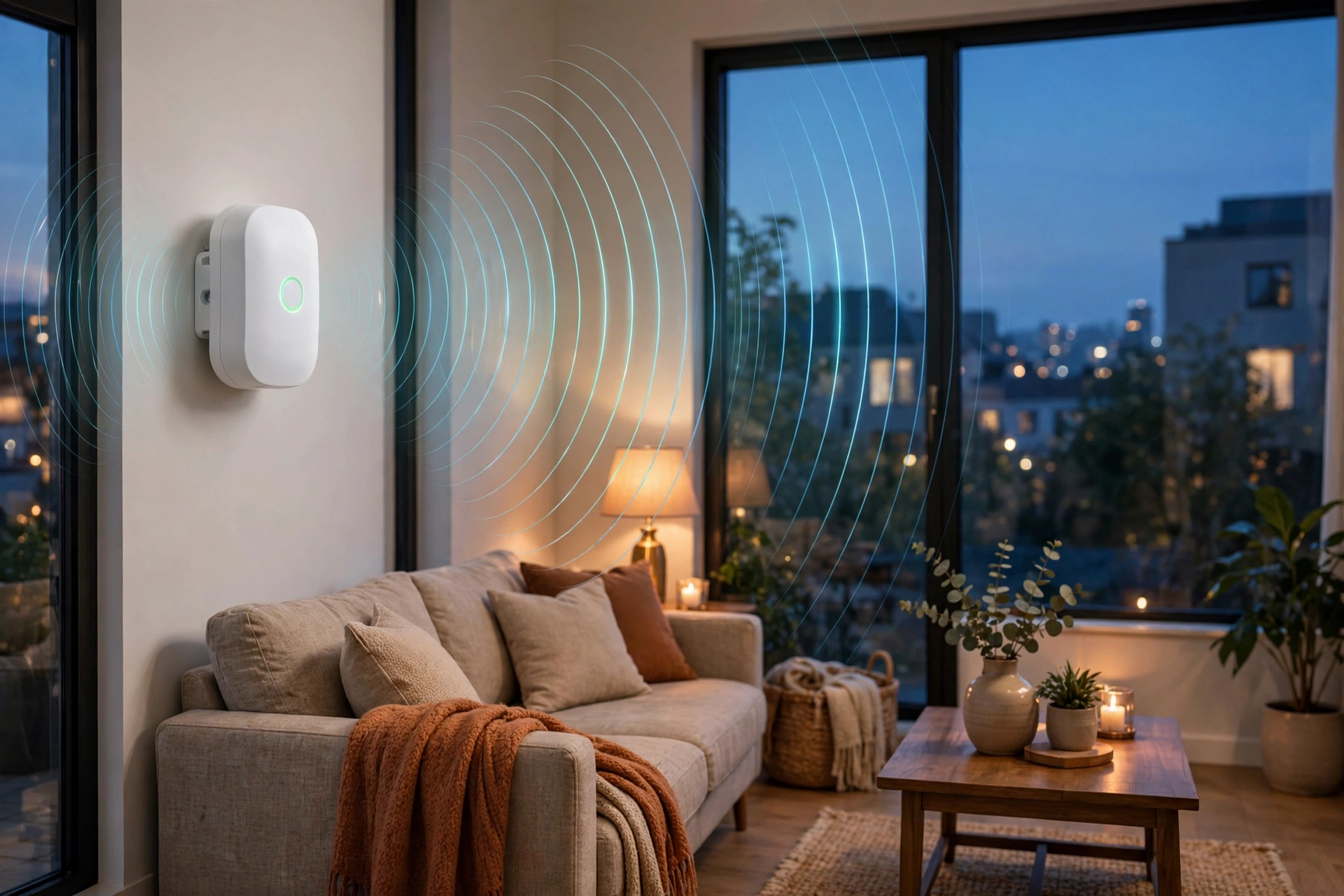
Acoustic sensors listen for the specific sound frequency of shattering glass and protect an entire room from a single unit — ideal if you have multiple windows in one space. Vibration (shock) sensors mount directly on the glass and detect the physical impact, which makes them great for individual high-risk windows but means you need one per window. If you want whole-room coverage with fewer devices, go acoustic; if you want simple per-window protection without a system, go vibration.
Match the Sensor to Your Alarm System
This is the most important buying decision. Ring sensors only work with Ring Alarm, SimpliSafe sensors only work with SimpliSafe Gen 3, Honeywell 5853 needs a 5800-series panel, and Abode needs an Abode hub. Buying the wrong ecosystem sensor leaves you with an expensive paperweight — check compatibility before you click buy. If you don’t have an alarm system at all, choose a standalone vibration sensor with a built-in siren instead.
Detection Range and Room Coverage
Acoustic sensors typically cover 20 to 25 feet, which handles most bedrooms and living rooms from a corner or wall mount. For large open-plan areas or rooms with many windows, you may need two units. Vibration sensors have no “range” to worry about since they sit on the glass itself — but remember that means one device per window.
Wired vs Wireless vs Standalone
Wireless sensors are the easiest to install (usually peel-and-stick) but need battery changes every 2 to 5 years depending on the model. Wired sensors like the Honeywell FG-1625 never need batteries and can’t be jammed wirelessly, but require running wire to your panel — best for new builds or pro installs. Standalone alarms need no panel at all and are perfect for renters.
False Alarm Prevention
The best modern sensors use sound-pattern analysis (like Ring’s AI detection or Honeywell’s FlexCore processor) to distinguish real glass breaks from dropped dishes, thunder, or action movies. Look for adjustable sensitivity settings so you can tune the sensor to your room, and always use the test mode after installation to verify placement.
Installation Tips
Mount acoustic sensors on the wall or ceiling opposite the windows they protect, within the rated range, and away from speakers or TVs that could cause false triggers. Vibration sensors go directly on the glass, ideally in a corner of the pane. Test every sensor after mounting — most have a built-in test mode or a clap-test procedure in the manual.
Frequently Asked Questions
Do glass break sensors work on all types of glass?
Most acoustic sensors detect standard plate, tempered, and laminated glass. The Honeywell FG-1625 explicitly supports plate, tempered, wired, laminated, and coated glass. Very thick or multi-pane hurricane glass can be harder to detect — check the manufacturer’s glass compatibility list if you have specialty windows.
Will loud music or movies set off a glass break sensor?
Quality sensors rarely false-alarm from everyday noise because they analyze the specific acoustic signature of shattering glass, not just volume. That said, placing a sensor right next to a home theater speaker is asking for trouble — mount it away from loud audio sources and use the sensitivity adjustment.
Do I need a hub or alarm panel for a glass break sensor?
It depends on the type. Smart acoustic sensors (Ring, SimpliSafe, Honeywell 5853, Abode) require their matching hub or panel. Vibration sensors with built-in sirens (WSDCAM, Doberman) are fully standalone — they scream on their own with no hub, app, or subscription. The wired Honeywell FG-1625 needs a standard alarm panel.
What’s the difference between a glass break sensor and a window sensor?
A window (contact) sensor only triggers when the window is opened — it does nothing if a burglar smashes the glass and climbs through the frame. A glass break sensor detects the break itself, so the two complement each other. For ground-floor windows, using both is the gold standard.
How long do the batteries last in wireless glass break sensors?
Typically 2 to 5 years depending on the model: SimpliSafe claims up to 4 years, Ring around 3 years, Honeywell 5853 between 3 and 5 years, and Abode about 2.5 years. Standalone vibration sensors use smaller coin cells lasting roughly a year. Most sensors report low-battery status to your panel or with an LED warning.