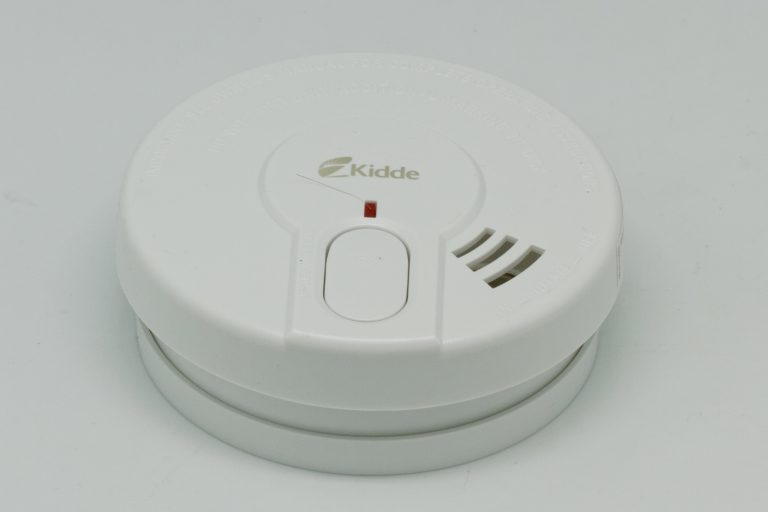

Smoke detectors and carbon monoxide detectors look nearly identical — small white discs on the ceiling, same test button, same occasional chirp. It is no surprise that many homeowners assume one device covers both threats, or that the two are interchangeable. They are not, and the confusion can be dangerous.
Smoke and carbon monoxide are completely different hazards that behave differently, come from different sources, and require different sensors to detect. This guide explains what each detector does, how the two threats differ, where each device belongs in your home, and when a combination unit makes sense.
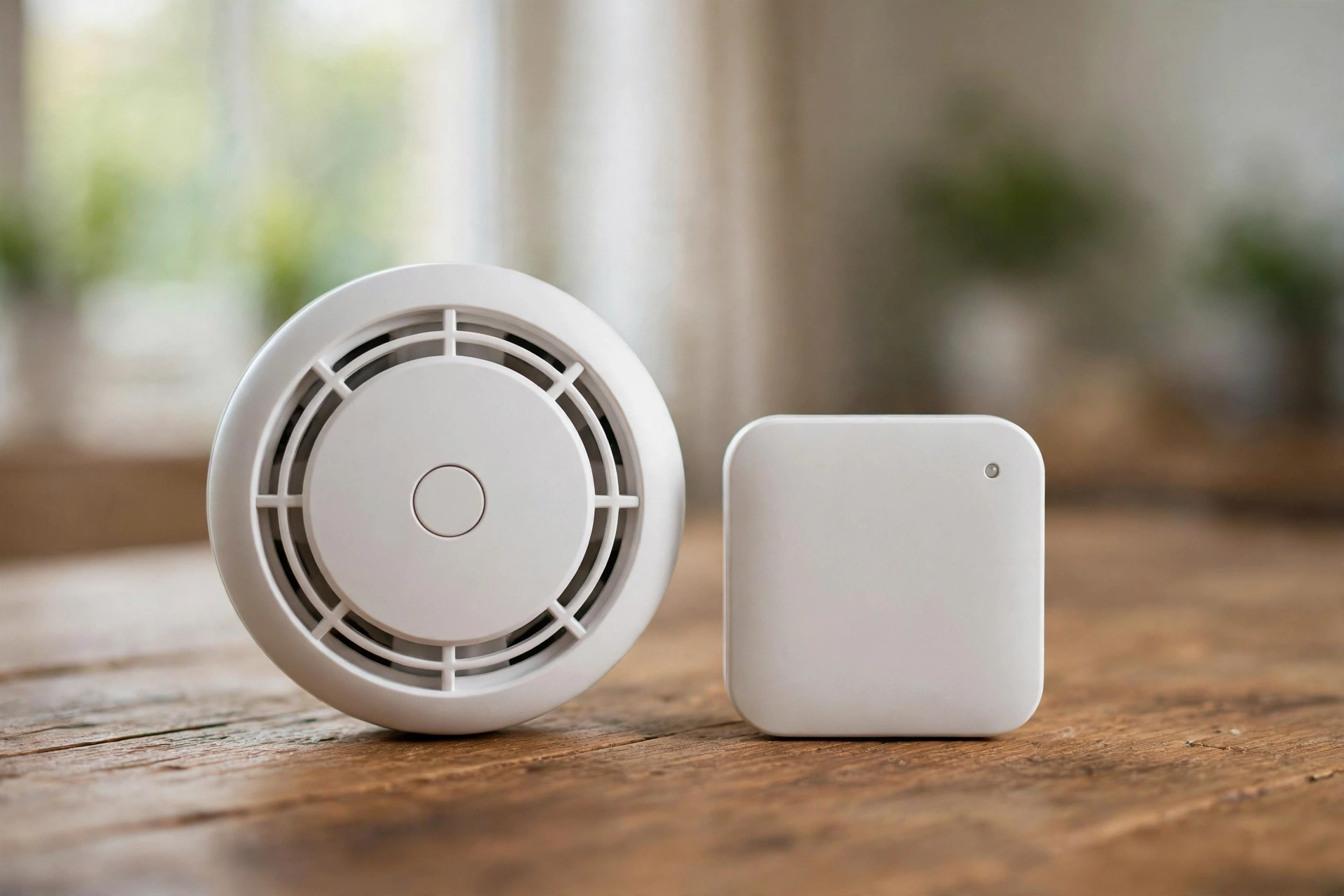
Two Different Threats
Smoke is a visible byproduct of combustion. It rises, spreads through hallways, and triggers the coughing and eye irritation that wakes people up — which is why smoke kills more often through inhalation of toxic gases in the smoke than through burns. A smoke detector’s job is to catch the particles early, while there is still time to escape.
Carbon monoxide (CO) is invisible, odorless, and tasteless. It is produced by incomplete combustion in fuel-burning appliances: furnaces, water heaters, gas stoves, fireplaces, portable generators, and cars idling in attached garages. You cannot see it, smell it, or taste it — and its early symptoms (headache, dizziness, nausea, fatigue) feel exactly like the flu. That is what makes CO so dangerous: people go back to sleep instead of getting out.
The CDC’s carbon monoxide guidance stresses that CO poisoning is preventable but strikes without warning, which is why a dedicated CO detector is not optional in any home with fuel-burning appliances or an attached garage.
How the Sensors Differ
Smoke detectors use ionization or photoelectric chambers to spot airborne particles, as explained in our smoke detectors buying guide. CO detectors use a completely different technology — typically an electrochemical sensor containing electrodes in a chemical solution. When carbon monoxide molecules reach the sensor, they trigger a chemical reaction that generates an electric current proportional to the CO concentration.
That proportional response matters. A CO detector does not just scream at the first whiff; it measures sustained exposure. Brief, tiny traces of CO (from a gas stove lighting, for example) will not set it off, but a dangerous buildup over minutes or hours will. The alarm thresholds are set to sound before CO levels cause harm, with faster response at higher concentrations.
This is also why a smoke detector can never substitute for a CO detector. Smoke particles and carbon monoxide molecules are detected by entirely different physical principles — one device cannot do both jobs unless it contains both sensor types. Understanding why CO detectors matter for fire safety starts with accepting that your smoke alarms are blind to this particular killer.
Placement Rules Are Not the Same
Smoke rises, so smoke detectors go on the ceiling or high on the wall — inside every bedroom, outside each sleeping area, and on every level of the home. CO behaves differently: it mixes with air and distributes fairly evenly, so CO detectors work fine on a wall at about knee-to-chest height or on the ceiling.
The practical guidance for CO detectors:
- Install one on every level of your home, including the basement.
- Place one outside each sleeping area so the alarm wakes you at night.
- Put one near (but not directly above) fuel-burning appliances like the furnace and water heater — about 15 feet away is a common recommendation, since normal appliance operation can produce trace CO.
- Do not place them in garages, kitchens, or extremely humid bathrooms, where fumes and moisture cause nuisance alarms and shorten sensor life.
Note that CO detectors have a shorter service life than smoke detectors — typically 5 to 7 years versus 10 — because the electrochemical sensor degrades. Most units now have an end-of-life warning; when it sounds, replace the whole detector, not just the battery.
Combination Detectors: When One Device Does Both
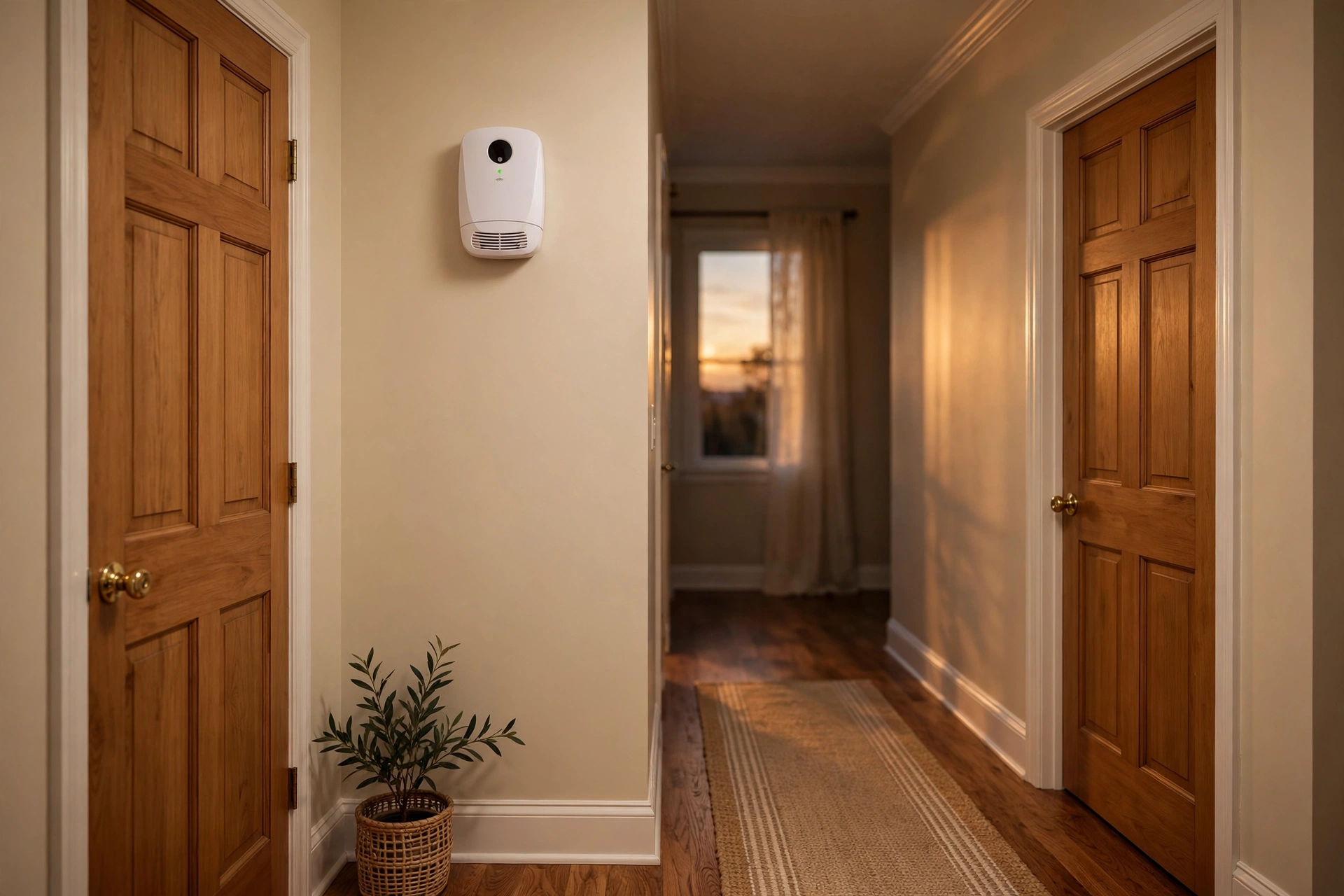
A combination smoke-and-CO detector contains both sensor types in a single housing and sounds distinct alarm patterns for each threat (typically three beeps for smoke, four for CO). For many homes, they are the most practical option: fewer devices to buy, install, and maintain, with full coverage of both hazards.
There are trade-offs to consider. Placement is a compromise — the ideal ceiling spot for smoke detection is fine for CO too, so this is rarely a real problem in practice. The bigger consideration is lifespan: because the CO sensor expires sooner, you will replace a combo unit on the CO sensor’s schedule (around 5–7 years), even though the smoke sensor could have lasted 10. Over a decade, separate units can work out cheaper.
Voice-alert combo models are worth a look. Instead of making you decode beep patterns at 3 a.m., they announce “Warning: carbon monoxide” or “Warning: smoke.” In an emergency, that clarity matters — especially for children, guests, and elderly family members who may not remember which pattern means what.
If you are shopping for one, our best smoke and CO combo detectors roundup compares the top models, and our best carbon monoxide alarms covers standalone CO units. Also worth reading: how radon and carbon monoxide compare as invisible household threats.

Frequently Asked Questions
Can a smoke detector detect carbon monoxide?
No. Smoke detectors sense airborne particles from combustion; carbon monoxide is an invisible gas that requires an electrochemical sensor. Only a dedicated CO detector or a combination unit with both sensors can warn you about CO.
Do I need a CO detector if I have an all-electric home?
Probably, yes — if you have an attached garage (car exhaust), use a portable generator, or have a fireplace. Truly all-electric homes with no garage and no combustion sources are the main exception, though many fire officials still recommend one.
Where should a CO detector go — high or low on the wall?
Carbon monoxide mixes evenly with air, so height is far less critical than it is for smoke detectors. Ceiling, wall-mounted at any height, or even a plug-in model at outlet level all work. What matters most is having one on every level and outside sleeping areas.
How often should I replace my CO detector?
Every 5 to 7 years, per the manufacturer’s date — sooner than the 10-year life of a smoke detector. The electrochemical sensor degrades over time. Check the manufacture date stamped on the back, and heed the end-of-life warning chirp.
What should I do if the CO alarm sounds?
Get everyone (including pets) outside into fresh air immediately, then call 911 from outside. Do not go back in to open windows or find the source. CO symptoms like headache and dizziness can escalate quickly, so treat every alarm as real until responders clear the home.
The Bottom Line
Smoke detectors and CO detectors guard against two entirely different killers, using two entirely different sensing technologies. Every home needs smoke detection; every home with fuel-burning appliances, a fireplace, or an attached garage needs CO detection too. Whether you buy separate units or combination detectors matters less than making sure both threats are covered, the devices are placed correctly, and they get replaced before their sensors expire. Test both types monthly, and never ignore an alarm you cannot explain.