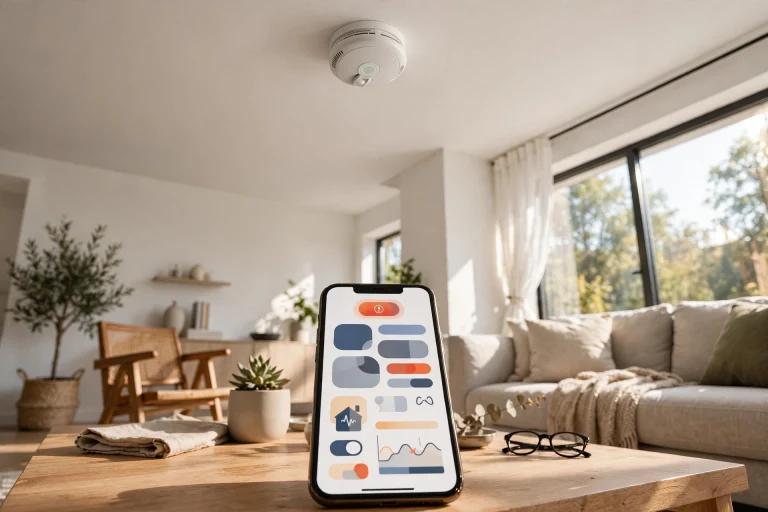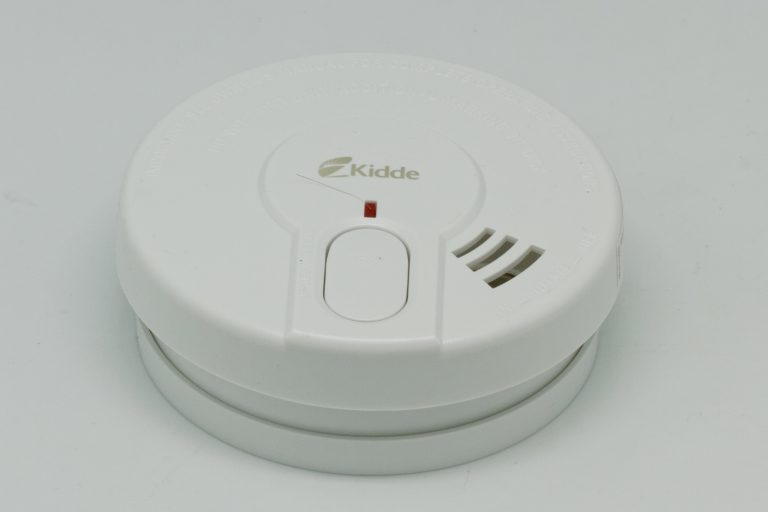

A smoke detector that only beeps when you’re home to hear it is doing half the job. Smart smoke detectors add phone alerts, voice warnings that name the room, and self-testing — so a kitchen fire at 2 PM on a workday still reaches you instantly. After comparing the current lineup from Nest, X-Sense, and Kidde, I’ve narrowed it down to the seven smart smoke detectors actually worth buying in 2026.
Whether you want a premium hardwired system or a budget Wi-Fi three-pack, there’s a pick below that fits your home and your wiring. Let’s get into it.
Key Takeaways
- Smart detectors alert your phone — the core upgrade over “dumb” alarms: you get notified of smoke, CO, or low battery wherever you are.
- Voice alerts beat beeps for families — detectors that announce the danger and its location (Nest Protect, X-Sense voice models, Kidde) get everyone moving faster.
- Hardwired vs battery is the big fork — hardwired units never need battery swaps and interconnect easily; battery/Wi-Fi units install in minutes with no electrician.
- Interconnect matters — when one alarm sounds, they all should. Check whether the model you buy interconnects wirelessly or needs a wire.
- Our top pick is the Google Nest Protect (Battery) for its Split-Spectrum sensor, location voice alerts, and phone notifications.
| Google Nest Protect (Battery) | 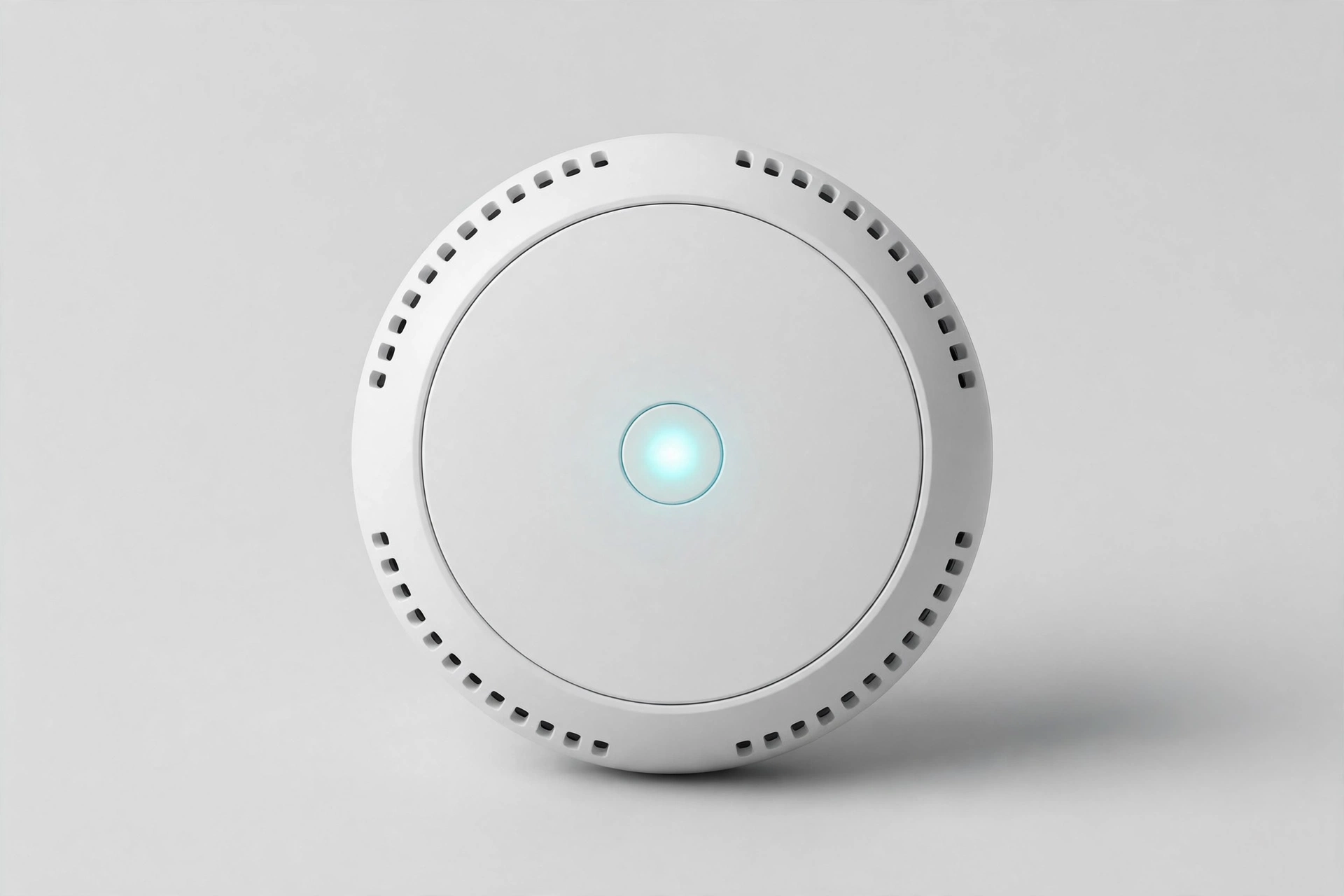 | Best Overall | Type: Smart Smoke + CO | Power: Battery | Alerts: Phone + voice | VIEW LATEST PRICE | Read Our Analysis |
| Google Nest Protect (Wired 120V) | 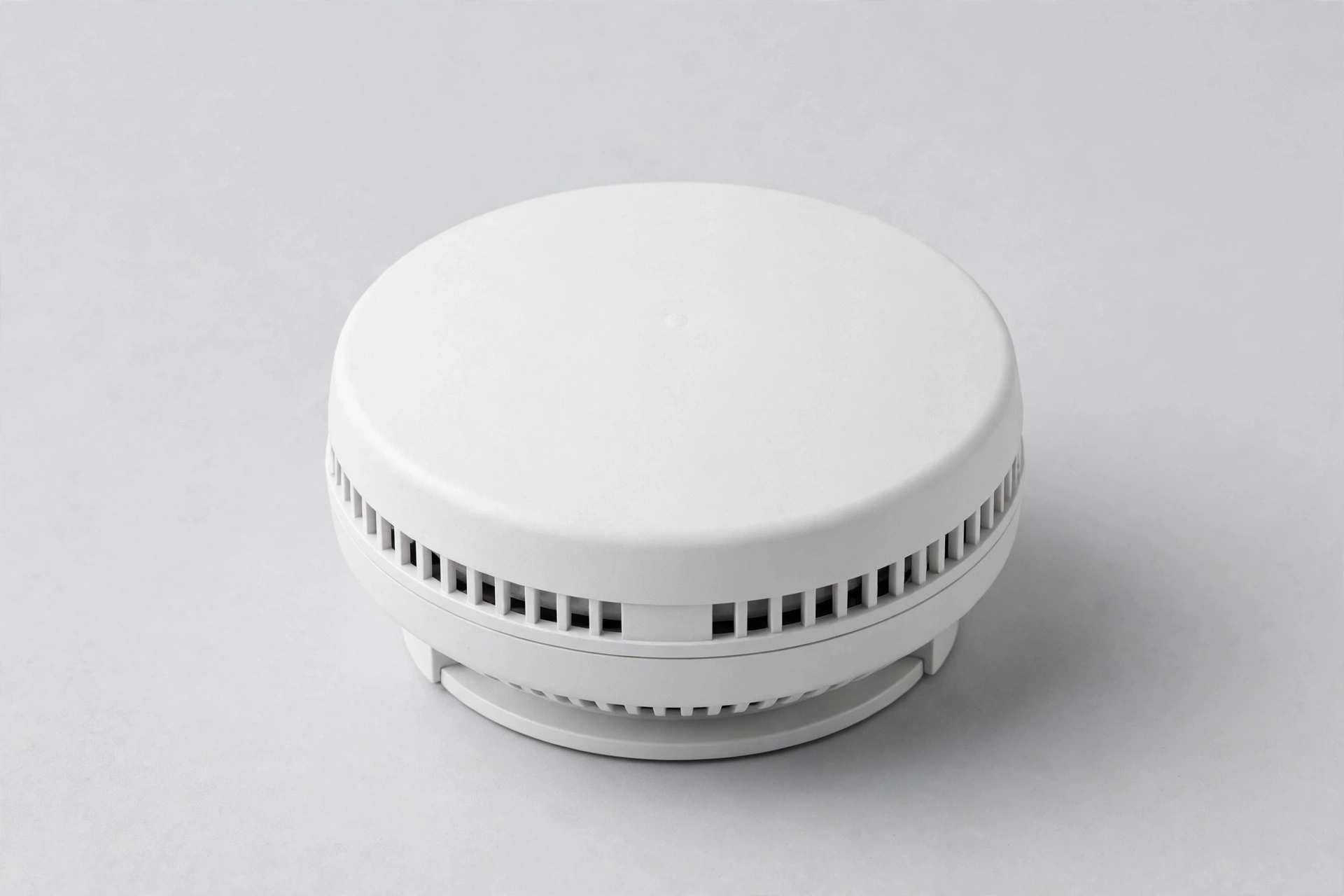 | Best Hardwired Pick | Type: Smart Smoke + CO | Power: Hardwired 120V | Alerts: Phone + voice | VIEW LATEST PRICE | Read Our Analysis |
| X-Sense XS01-WX Wi-Fi, 3-Pack | 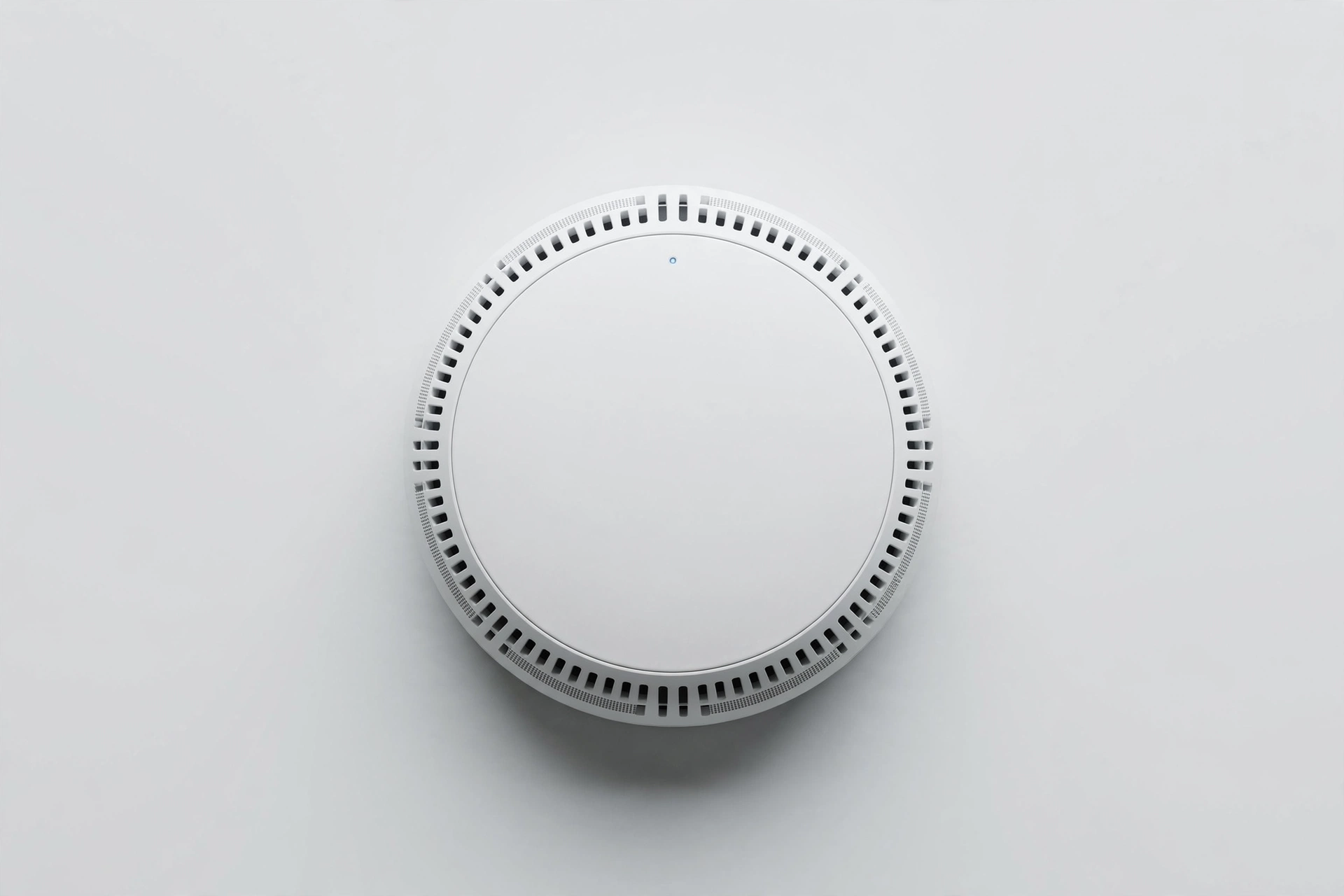 | Best Value Pack | Type: Wi-Fi Smoke Alarm | Power: Battery (replaceable) | Pack: 3-pack | VIEW LATEST PRICE | Read Our Analysis |
| X-Sense XS0B-iR with Voice Alerts | 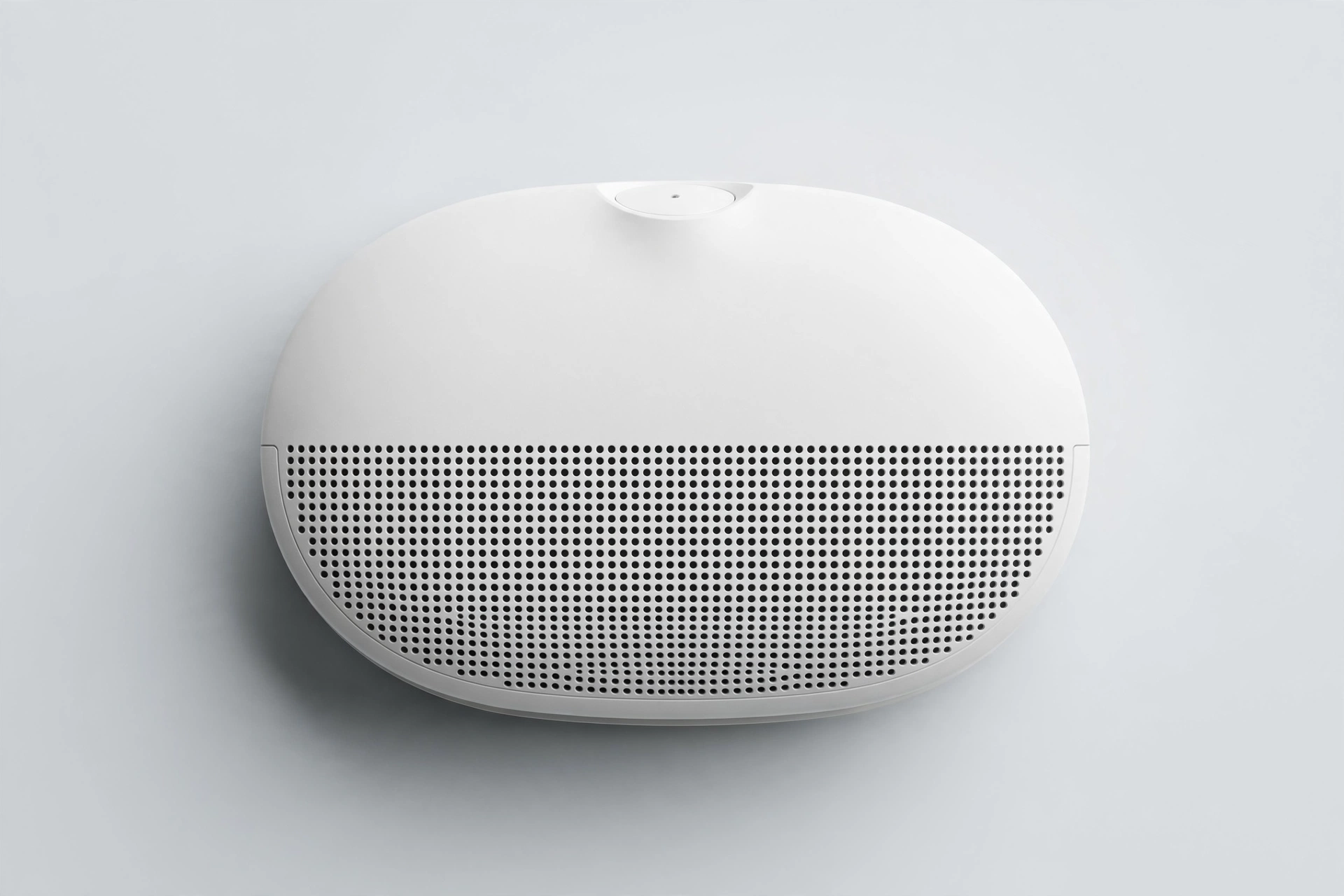 | Best for Families | Type: Wi-Fi Smoke Alarm | Alerts: Voice with locations | Power: Battery | VIEW LATEST PRICE | Read Our Analysis |
| X-Sense XS01-WX Wi-Fi, 1-Pack | 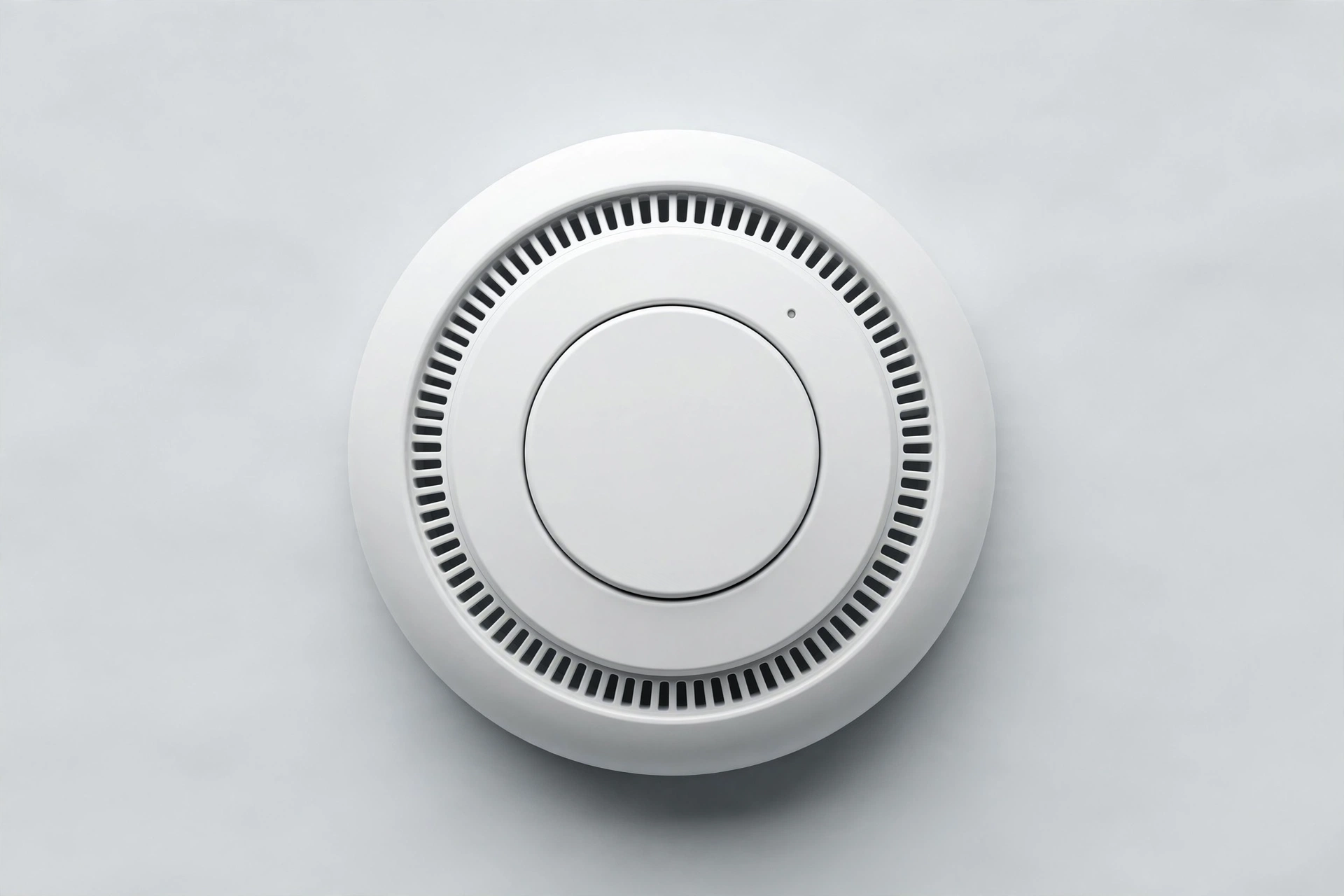 | Best Single Detector | Type: Wi-Fi Smoke Alarm | Power: Battery (replaceable) | Pack: Single | VIEW LATEST PRICE | Read Our Analysis |
| Kidde P4010ACS-WF Hardwired | 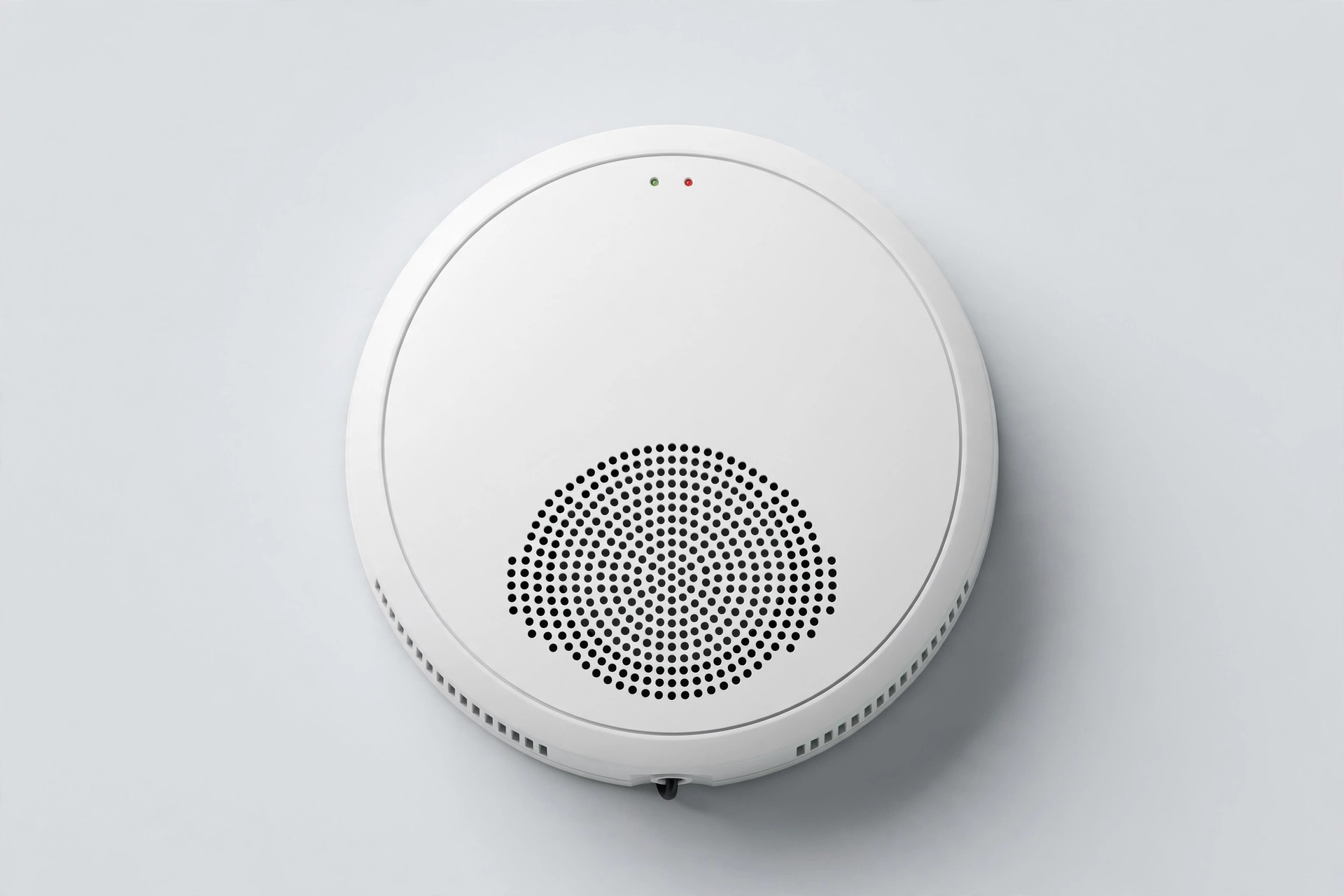 | Best with Voice Assistants | Type: Wi-Fi Smoke Alarm | Power: Hardwired 120V | Smart: Alexa + Google | VIEW LATEST PRICE | Read Our Analysis |
| Kidde Smart Smoke Detector for Ring |  | Best for Ring Homes | Type: Wi-Fi Smoke Alarm | Power: Hardwired + AA backup | Smart: Ring app | VIEW LATEST PRICE | Read Our Analysis |
Google Nest Protect (Battery)
The Google Nest Protect remains the benchmark every other smart smoke detector is measured against — and the battery model is the easiest way to get it. Its Split-Spectrum sensor watches for both fast-burning and slow-smoldering fires, and when something’s wrong it doesn’t just beep: a calm voice tells you the danger type and the room, then your phone gets the alert too. It also runs a monthly self-test and warns you when batteries run low, long before the dreaded 3 AM chirp.
The catch is the price — it’s the most expensive detector on this list — and it lives in the Google Home ecosystem, so there’s no HomeKit support. But if you want the smartest, most communicative smoke detector you can buy, this is it.
- Detection:Smoke + CO detection in one unit
- Sensor:Split-Spectrum Sensor for fast and slow fires
- Connectivity:Phone alerts via Wi-Fi
- Voice Alerts:Voice alerts name the danger location
- Sensor:10-year sensor lifespan
Google Nest Protect (Wired 120V)
Same brain as the battery model, minus the battery anxiety. The wired Nest Protect connects to your home’s 120V wiring with battery backup, so it stays powered through outages and interconnects wirelessly with other Nest Protects — when one speaks, they all speak. You get the same Split-Spectrum sensing, voice location alerts, phone notifications, and App Silence, which lets you hush a nuisance alarm from your phone instead of fanning it with a towel.
The obvious limitation: you need existing hardwired alarm wiring (or an electrician). It’s also priced at the premium end. For new builds or homes already wired for alarms, though, this is the set-it-and-forget-it choice.
- Power:Hardwired 120V with battery backup
- Detection:Smoke + CO detection
- Sensor:Split-Spectrum Sensor
- App Alerts:App Silence from phone
- Interconnect:Wireless interconnect between units
X-Sense XS01-WX Wi-Fi, 3-Pack
This is the value play that makes the whole house smart for less than one Nest. The three-pack of X-Sense XS01-WX detectors connects directly to your 2.4 GHz Wi-Fi — no hub, no base station — and pushes real-time alarm, fault, and low-battery notifications to the app. The photoelectric sensor is rated for a 10-year life, batteries are replaceable CR123As, and you can add optional 24/7 professional monitoring if you want a monitoring center in the loop.
What you don’t get: voice alerts naming the room, and setup is 2.4 GHz Wi-Fi only. For straightforward phone-alert protection across multiple rooms on a budget, nothing else comes close.
- Connectivity:Direct 2.4 GHz Wi-Fi, no hub needed
- App Alerts:Real-time app notifications
- Feature:Replaceable CR123A batteries
- Sensor:Photoelectric sensor, 10-year life
- Smart Home:Optional 24/7 professional monitoring
X-Sense XS0B-iR with Voice Alerts
Here’s the X-Sense for families: the XS0B-iR adds voice alerts with 17 location presets, so instead of a generic siren your kids hear a warning naming the room with the danger. It still connects over direct Wi-Fi with no hub, supports device sharing with up to 12 family members, and even has a night-mode light schedule so the status LED doesn’t glow all night in a bedroom hallway.
As a newer model it has a thinner track record than the XS01-WX, and like most budget smart alarms it’s 2.4 GHz Wi-Fi only. But for voice-guided alerts at a mid-range price, it’s a strong pick.
- Voice Alerts:Voice alerts with 17 location presets
- Connectivity:Direct Wi-Fi, no base station
- Feature:Night mode light scheduling
- Smart Home:Device sharing with up to 12 members
- Sensor:10-year photoelectric sensor
X-Sense XS01-WX Wi-Fi, 1-Pack
Don’t need three? The single XS01-WX is the same direct-Wi-Fi smart detector for small apartments or for adding one smart unit to the room that matters most — say, the hallway by the kitchen. You get app notifications for alarms, faults, and low battery, a 10-year photoelectric sensor, and replaceable batteries.
The per-unit price is higher than buying the 3-pack, so whole-home coverage is cheaper in the bundle. For targeted coverage, though, one is all you need.
- Connectivity:Direct 2.4 GHz Wi-Fi connection
- Power:App notifications for alarm/fault/low battery
- Feature:Replaceable batteries
- Sensor:Photoelectric sensor
- Sensor:10-year sensor lifespan
Kidde P4010ACS-WF Hardwired
From North America’s biggest fire-safety brand, the Kidde P4010ACS-WF pairs hardwired reliability with full smart features: 120V power with a sealed 10-year battery backup, Wi-Fi app alerts, voice warnings, and compatibility with both Alexa and Google Home. Hardwired interconnect means one alarm triggers them all — the way building codes like it.
It needs a wired alarm circuit, so it’s a replacement/upgrade pick rather than a renter’s pick, and the Kidde app experience isn’t as polished as Nest’s. If your home is already wired and you want trusted-brand smarts, this belongs on your shortlist.
- Power:Hardwired 120V with 10-year battery backup
- Connectivity:Wi-Fi app + voice alerts
- Smart Home:Works with Alexa and Google Home
- Power:Hardwired interconnect — one sounds, all sound
- Sensor:Photoelectric sensor
Kidde Smart Smoke Detector for Ring
Ring households, this one’s for you: Kidde’s Ring-enabled hardwired detector sends real-time smoke and CO notifications straight into the Ring app — no extra subscription — alongside your cameras and alarm. Kidde claims over 25% faster smoke detection, it interconnects with your other hardwired alarms, and it works with Alexa.
The Ring integration is the whole point, so it’s a poor fit if you’re not in that ecosystem, and the backup is AA batteries rather than a sealed 10-year cell. For Ring Alarm homes wanting unified alerts, it’s the natural add-on.
- App Alerts:Real-time Ring app notifications, no subscription
- Detection:Over 25% faster detection (per Kidde)
- Power:Hardwired with AA battery backup
- Interconnect:Whole-home interconnectivity
- Smart Home:Works with Alexa

Smart Smoke Detector Buying Guide
Photoelectric vs Ionization (and Split-Spectrum)
Most smart detectors use photoelectric sensors, which respond faster to smoldering fires — the kind that start in upholstery and bedding. Ionization sensors react faster to flaming fires but cause more cooking false alarms. Nest’s Split-Spectrum sensor combines both approaches. For most homes, photoelectric (or split-spectrum) with a hush feature is the sweet spot.
Hardwired vs Battery
Hardwired detectors draw 120V power with battery backup: no battery swaps, easy interconnect, and they meet code in most new construction. Battery/Wi-Fi detectors install in minutes with a screwdriver and work great in older homes and rentals — just budget for battery changes, or choose sealed 10-year models and skip the ladder entirely.
Smart Features Actually Worth Paying For
Phone alerts are the killer feature — a fire you don’t know about can’t be fought. Voice location alerts are next, especially with kids. Self-testing and low-battery push notifications save you from dead-detector surprises. Professional monitoring is optional; nice for frequent travelers, overkill for most.
Interconnect: One Sounds, They All Sound
A fire in the basement should wake the second floor. Check that your pick interconnects — wirelessly via Wi-Fi/mesh or through hardwired interconnect — so every unit in the house sounds together. Mixing brands usually breaks interconnect, so standardize on one family per home.
Where to Put Them
Install one inside every bedroom, outside each sleeping area, and on every level including the basement. Keep them at least 10 feet from cooking appliances to cut false alarms, and follow the manufacturer’s mounting guidance for walls vs ceilings. Pair detectors with a complete fire safety checklist and keep a fire extinguisher where you can reach it — and don’t forget that carbon monoxide protection matters just as much as smoke.
Frequently Asked Questions
Do smart smoke detectors work without Wi-Fi?
Yes — the siren and sensing work locally even if Wi-Fi drops. You just lose phone alerts and remote silencing until the connection returns. Hardwired interconnect models keep whole-home alarming without any network at all.
How long do smart smoke detectors last?
The sensors themselves last about 10 years — that’s why so many models advertise a 10-year sensor life. After that, replace the whole unit, not just the battery; an expired sensor can’t be trusted.
Are smart smoke detectors worth the extra cost?
If you’re ever away from home, yes. A standard alarm only helps if someone’s there to hear it. Phone alerts mean a daytime kitchen fire gets a 911 call instead of burning unnoticed for hours.
Can I mix brands of smart smoke detectors?
You can, but don’t expect them to interconnect — wireless interconnect is almost always brand-specific. Pick one ecosystem per home so every alarm sounds together.
Do smart smoke detectors need a subscription?
No. Phone alerts, voice warnings, and self-tests are free on all the models above. Optional paid professional monitoring exists, but none of these detectors require a subscription to protect you.