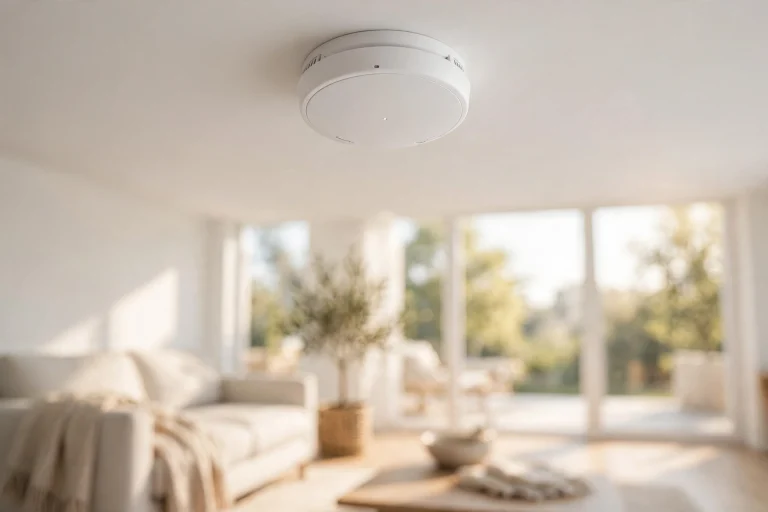

Smoke gives you a visible warning. Carbon monoxide doesn’t — it’s odorless, colorless, and dangerous precisely because your senses can’t detect it. A smoke and CO combo detector covers both threats in a single unit, which means fewer devices on your ceiling, one battery to watch, and no gaps in protection. I’ve rounded up the seven best combo detectors for 2026, from smart Z-Wave models to set-and-forget 10-year battery units.
Whether you’re replacing an aging alarm or outfitting a new home, one of these will fit. Here’s what made the cut.
Key Takeaways
- Two threats, one device — combo detectors pair a photoelectric smoke chamber with an electrochemical CO sensor, cutting ceiling clutter in half.
- Distinct alarms matter — the best units use different sounds (and voice) for smoke vs CO so you react correctly in a panic.
- Smart combos join your ecosystem — Z-Wave models feed alerts to Ring or a smart hub; basic models just sound locally.
- Sealed 10-year batteries are the low-maintenance pick — no battery swaps for a decade; replace the whole unit when it expires.
- Our top pick is the First Alert ZCOMBO for bringing Z-Wave smart alerts to dual smoke + CO protection.
| First Alert ZCOMBO Z-Wave | 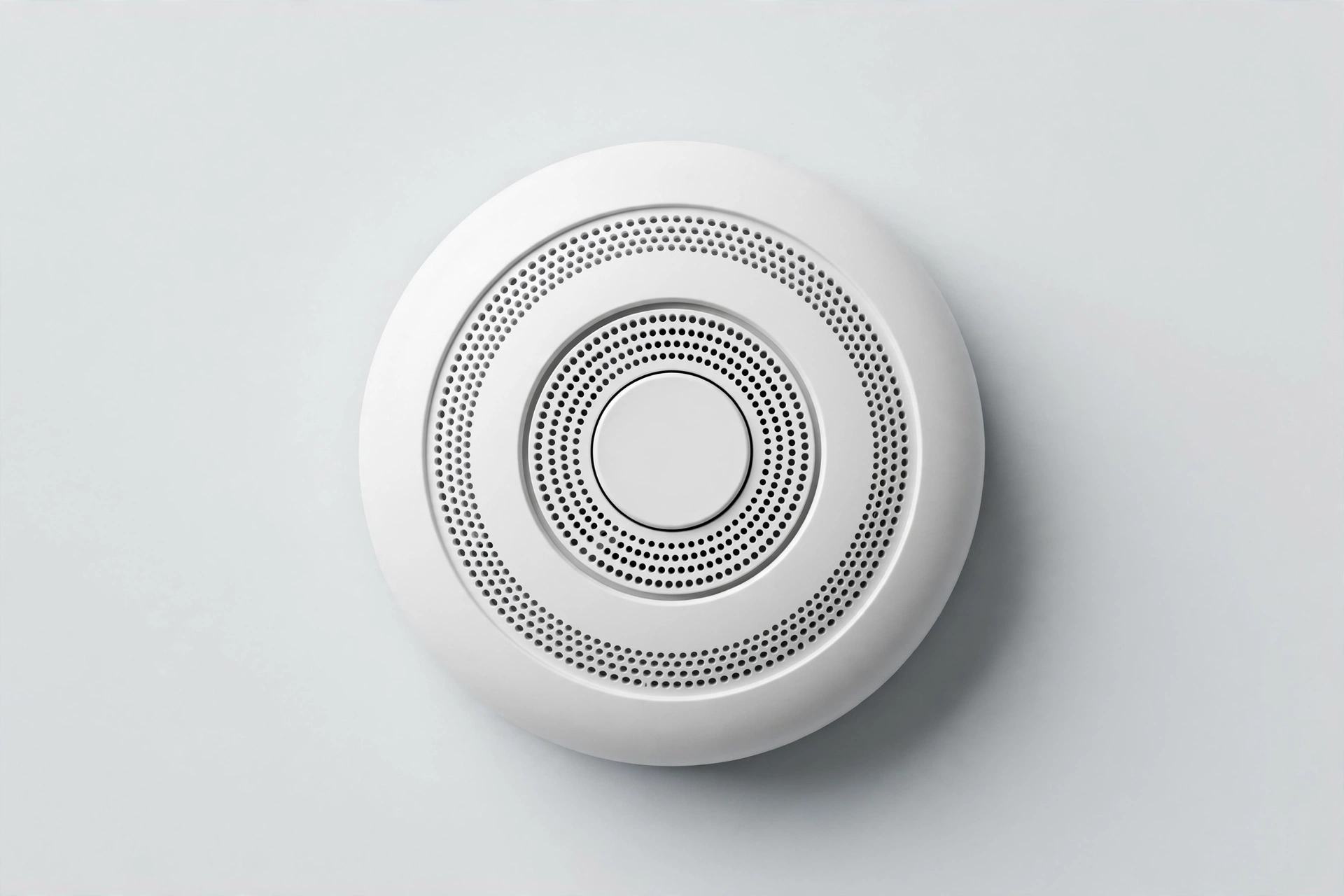 | Best Smart-Home Pick | Type: Smoke + CO Combo | Smart: Z-Wave | Power: Battery | VIEW LATEST PRICE | Read Our Analysis |
| First Alert BRK SC9120B Hardwired | 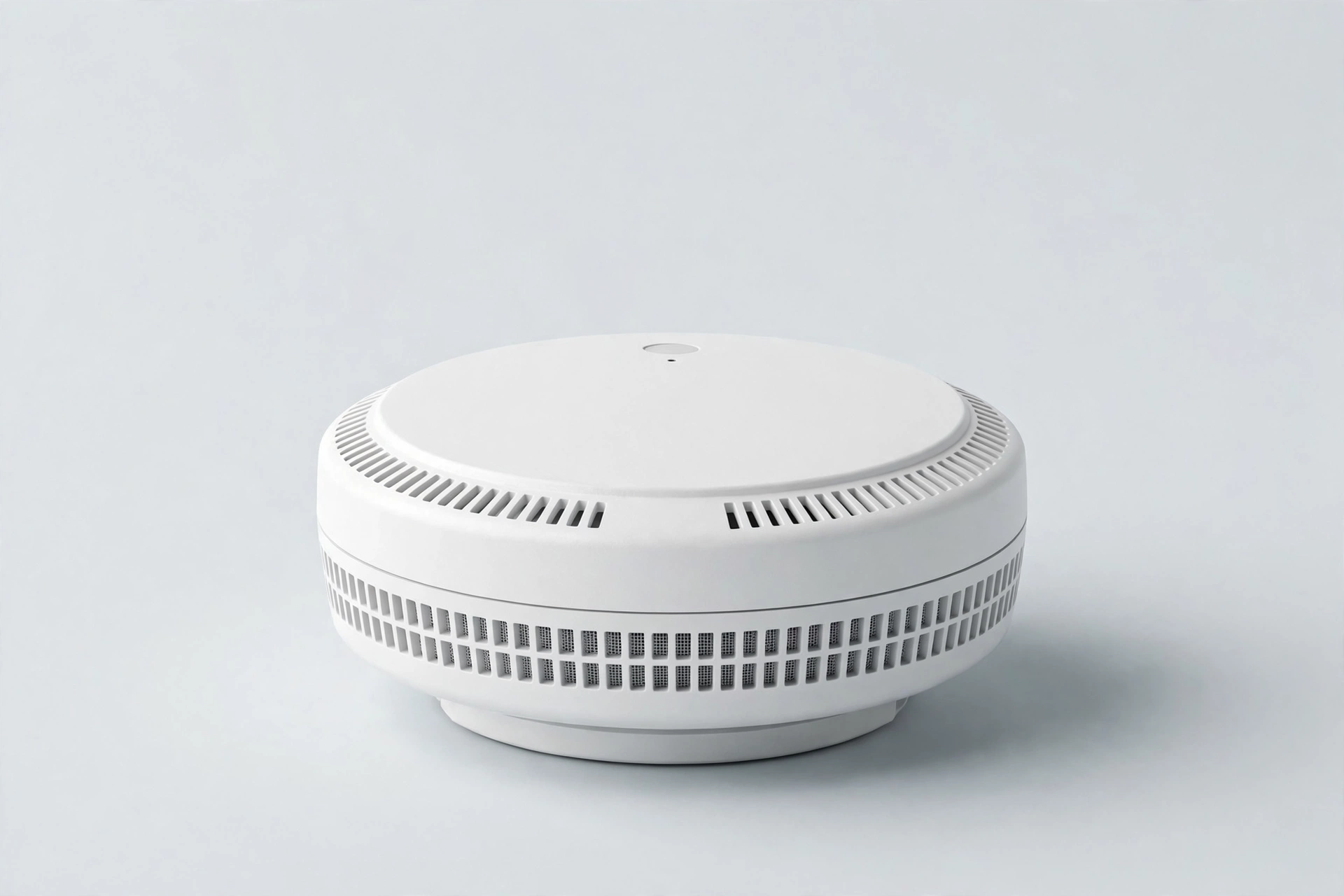 | Best Hardwired | Type: Smoke + CO Combo | Power: Hardwired 120V | Warranty: 7-year | VIEW LATEST PRICE | Read Our Analysis |
| First Alert Z-Wave 2nd Gen for Ring | 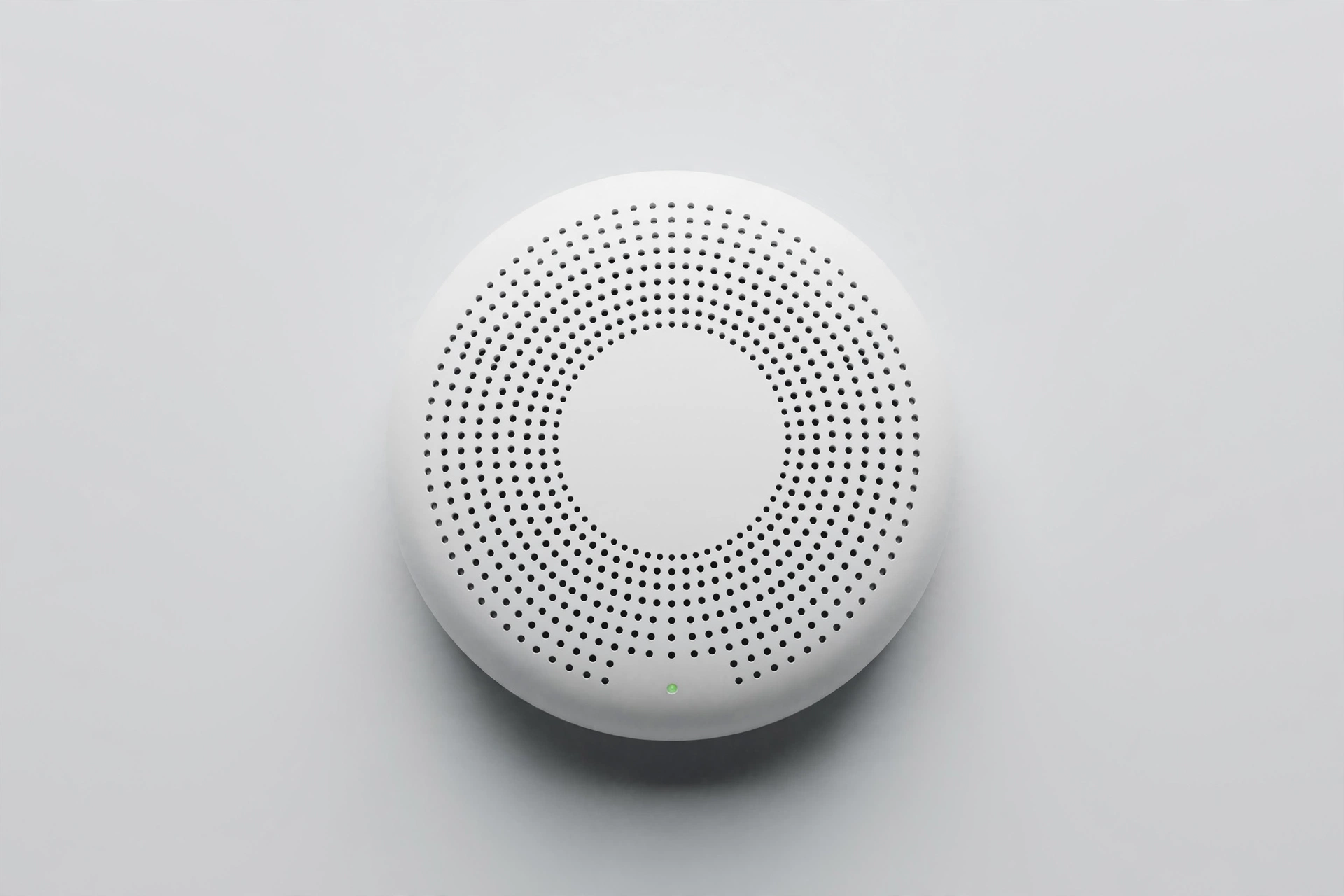 | Best for Ring Alarm | Type: Smoke + CO Combo | Smart: Z-Wave Plus / Ring | Power: Battery | VIEW LATEST PRICE | Read Our Analysis |
| First Alert PC910 10-Year Battery | 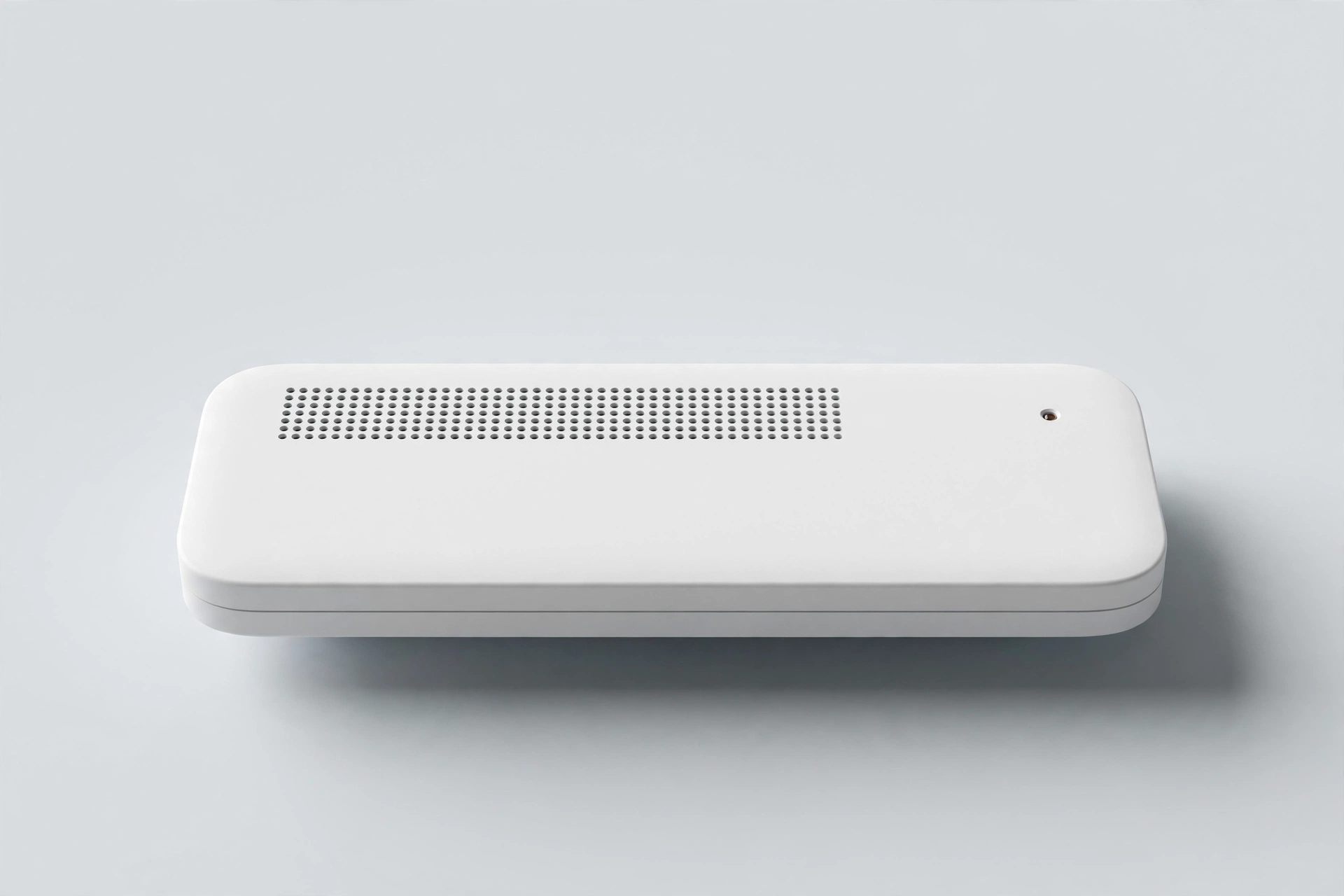 | Best 10-Year Battery | Type: Smoke + CO Combo | Power: Sealed 10-yr battery | Mount: Wall/ceiling | VIEW LATEST PRICE | Read Our Analysis |
| First Alert SCO5CN Battery | 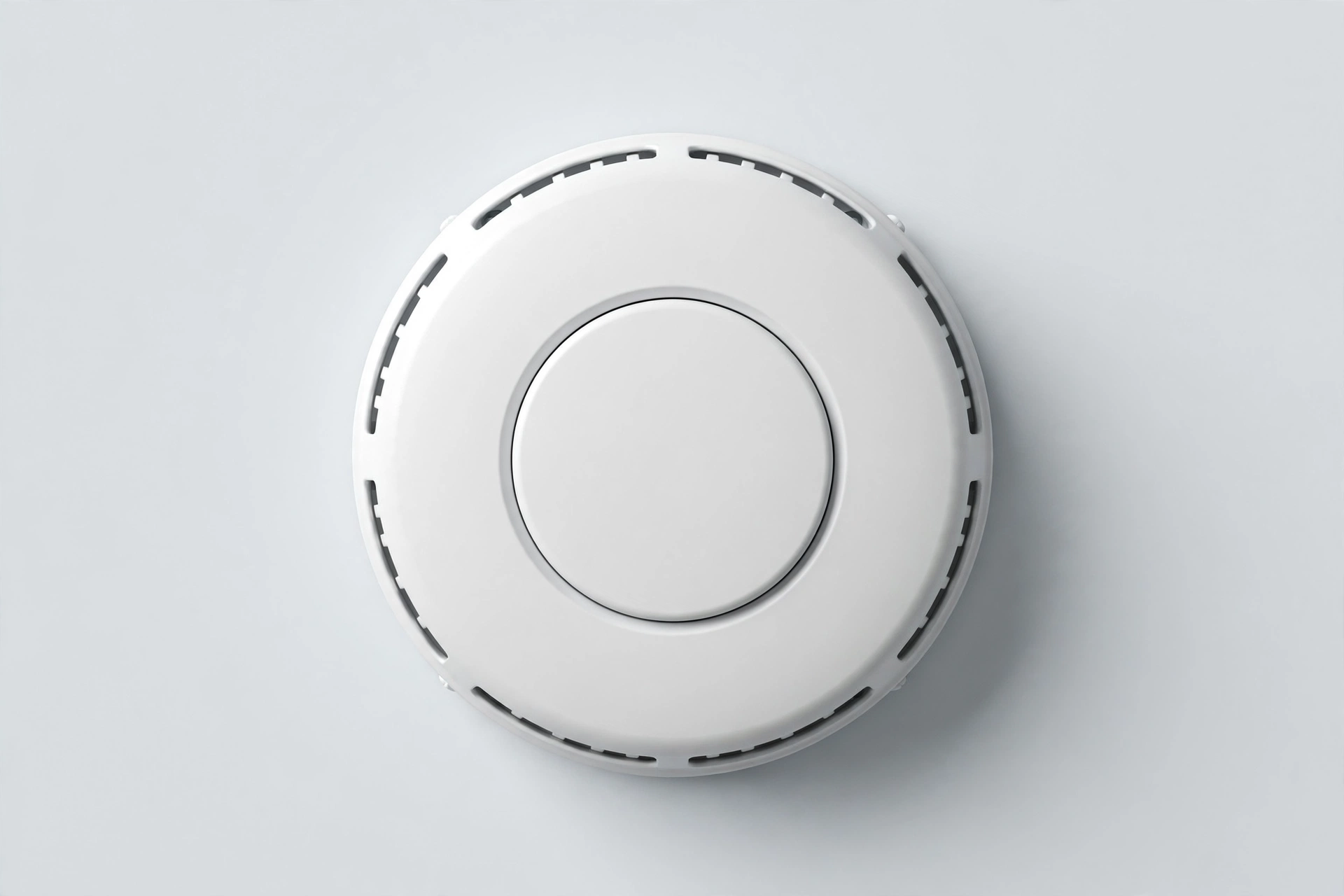 | Best Budget Pick | Type: Smoke + CO Combo | Power: 2x AA | Siren: 85 dB | VIEW LATEST PRICE | Read Our Analysis |
| Kidde P3010CU with Voice Alerts | 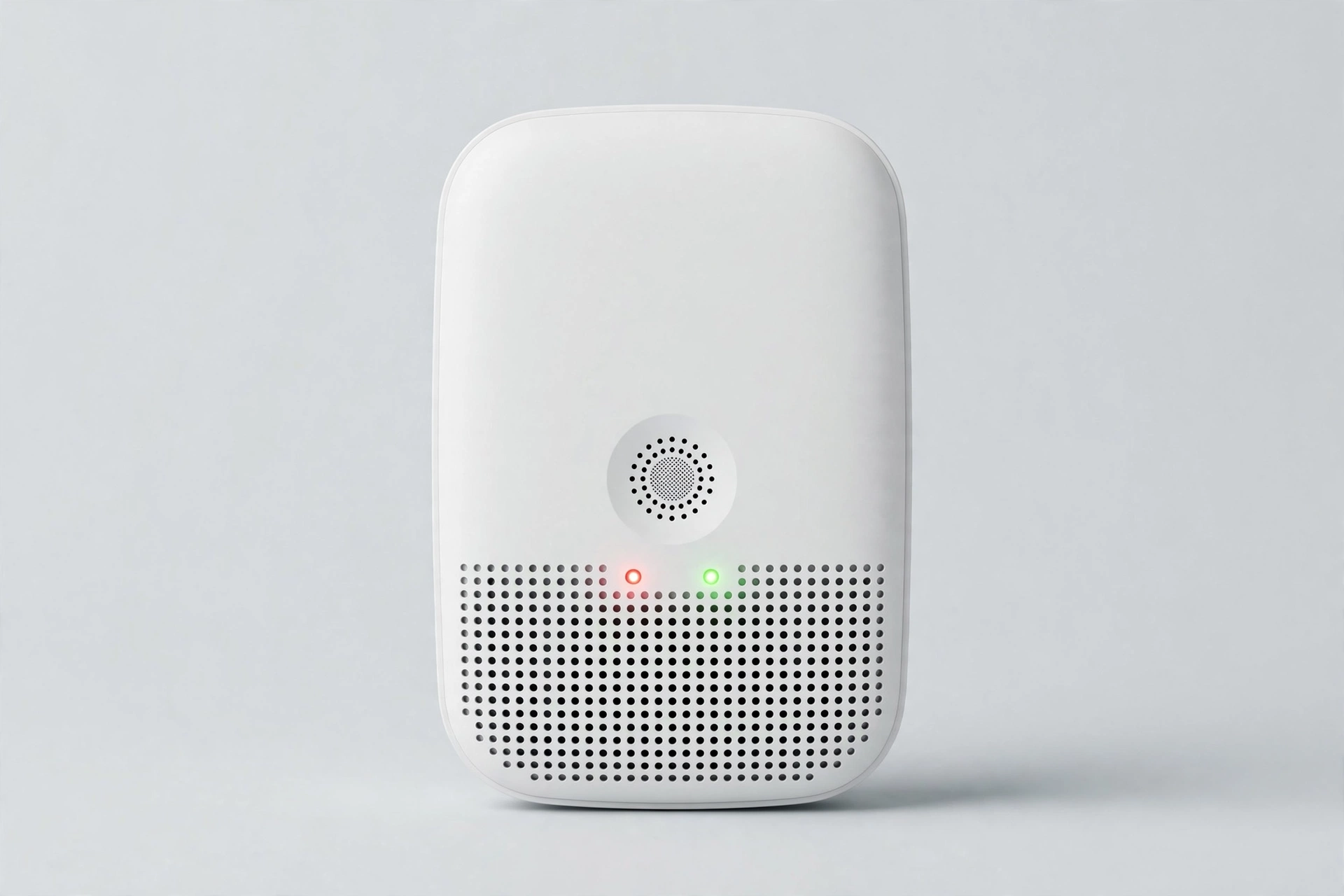 | Best Voice Alerts | Type: Smoke + CO Combo | Alerts: Voice | Power: Sealed 10-yr battery | VIEW LATEST PRICE | Read Our Analysis |
| X-Sense SC07 with LCD Display | 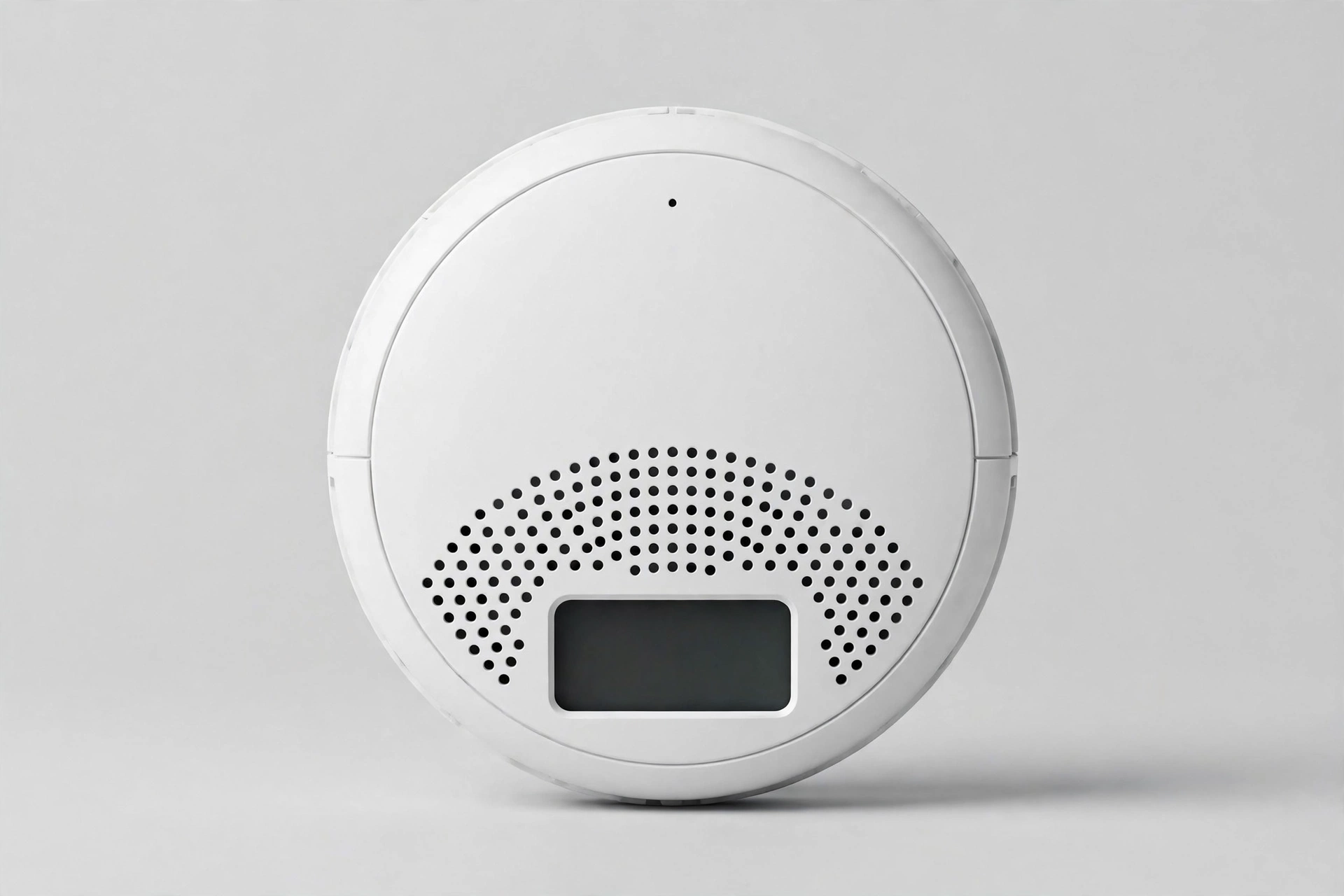 | Best with Display | Type: Smoke + CO Combo | Display: LCD CO readout | Power: Sealed 10-yr battery | VIEW LATEST PRICE | Read Our Analysis |
First Alert ZCOMBO Z-Wave
The ZCOMBO is the combo detector for smart homes. It’s a full 2-in-1 — photoelectric smoke chamber plus electrochemical CO sensor — with Z-Wave built in, so it pairs with Ring Alarm and most Z-Wave hubs and pushes smoke and CO alerts to your phone anywhere. The 85 dB horn handles local alarming, and it runs on batteries so installation is a screwdriver job.
The tradeoff: you need a Z-Wave hub (or Ring Alarm) to unlock the smart features — without one it’s just a good basic combo. And like all battery units, you’ll swap cells periodically. For connected homes, though, First Alert’s Z-Wave combo is the obvious pick.
- Detection:2-in-1 smoke + CO detection
- Connectivity:Z-Wave — works with Ring Alarm and smart hubs
- Sensor:Photoelectric smoke chamber
- Sensor:Electrochemical CO sensor
- Power:Battery operated, 85 dB horn
First Alert BRK SC9120B Hardwired
The SC9120B is the contractor’s combo: hardwired 120V with 9V battery backup, photoelectric smoke plus electrochemical CO sensing, and a latching alarm indicator that shows which unit triggered — a lifesaver when you have six interconnected alarms and need to find the culprit. It’s interconnectable with other BRK units and carries a 7-year warranty.
It needs a wired alarm circuit and the 9V backup still wants yearly replacement, so it’s not maintenance-free. But for code-compliant, hardwired dual protection, this is the workhorse.
- Power:Hardwired 120V with 9V battery backup
- Sensor:Photoelectric smoke + electrochemical CO sensors
- Feature:Latching alarm indicator
- Interconnect:Interconnectable
- Warranty:7-year limited warranty
First Alert Z-Wave 2nd Gen for Ring
First Alert’s second-generation Z-Wave combo is built for Ring Alarm households: Z-Wave Plus with SmartStart QR pairing makes joining the network painless, and smoke/CO alerts land in the Ring app alongside your security system. Underneath it’s the same proven photoelectric + electrochemical sensing with an 85 dB horn and 7-year warranty.
Like the original ZCOMBO, the smarts require a compatible hub, and it costs more than a basic combo. If you run Ring Alarm and want life-safety in the same app, this is the one.
- Connectivity:Z-Wave Plus with SmartStart QR pairing
- Smart Home:Designed for Ring Alarm compatibility
- Sensor:Photoelectric + electrochemical sensors
- Power:Battery operated, 85 dB
- Warranty:7-year limited warranty
First Alert PC910 10-Year Battery
Set it and forget it for a decade. The PC910 seals a 10-year lithium battery inside, so there are no battery changes and no 3 AM chirps — just dual smoke + CO protection in a slim, low-profile package. It has a test/silence button and mounts on wall or ceiling.
There’s no smart connectivity and no voice — it’s a straightforward local alarm. And at year ten you replace the whole unit. For bedrooms, hallways, and rental properties, that simplicity is the point.
- Battery:Sealed 10-year lithium battery — no replacements
- Sensor:Photoelectric smoke + electrochemical CO sensors
- Feature:Compact, low-profile design
- Controls:Test/silence button
- Installation:Wall or ceiling mount
First Alert SCO5CN Battery
The budget way to get dual protection with zero wiring. The SCO5CN runs on two AA batteries, packs photoelectric smoke and electrochemical CO sensors, and uses distinct alarm patterns for smoke vs CO so you know which threat you’re facing. The 85 dB siren is plenty loud for a bedroom or hallway.
It’s basic: no smart features, no voice, no sealed battery — you’ll change AAs and eventually the unit. But as the cheapest path to dual-sensor coverage, it does the job.
- Power:Battery operated (2 AA)
- Sensor:Photoelectric smoke sensor
- Sensor:Electrochemical CO sensor
- Feature:Distinct smoke vs CO alarm sounds
- Alarm:85 dB siren
Kidde P3010CU with Voice Alerts
Kidde’s P3010CU talks to you — literally. Voice alerts announce the hazard type, which removes all guesswork in a panic, and the sealed 10-year lithium battery means a decade without battery swaps. Smart-Hush silences nuisance alarms, and the 85 dB horn pairs with flashing LEDs.
There’s no Wi-Fi or app, so alerts stay local. If you want voice clarity plus zero maintenance without paying for smart features you won’t use, this is the sweet spot.
- Battery:Sealed 10-year lithium battery
- Voice Alerts:Voice alerts announce the hazard type
- Sensor:Photoelectric smoke + electrochemical CO sensors
- Controls:Smart-Hush silences nuisance alarms
- Alarm:85 dB alarm with flashing LEDs
X-Sense SC07 with LCD Display
The SC07’s party trick is its large LCD: it shows real-time CO levels in ppm, so you can see rising danger before it hits alarm thresholds — genuinely useful near furnaces and garages. It’s a sealed 10-year battery unit with photoelectric + electrochemical sensors, no wiring needed, and UL 217/2034 certification.
This model has no Wi-Fi or app connectivity, so that CO readout is local-only. For data lovers who want to see what the sensor sees, nothing else in this price range shows you the numbers.
- Display:Large LCD shows real-time CO levels (ppm)
- Battery:10-year sealed battery
- Sensor:Photoelectric + electrochemical sensors
- Smart Home:No wiring required
- Certification:UL 217 & UL 2034 certified
Smoke and CO Combo Detector Buying Guide
Why Combination Units Make Sense
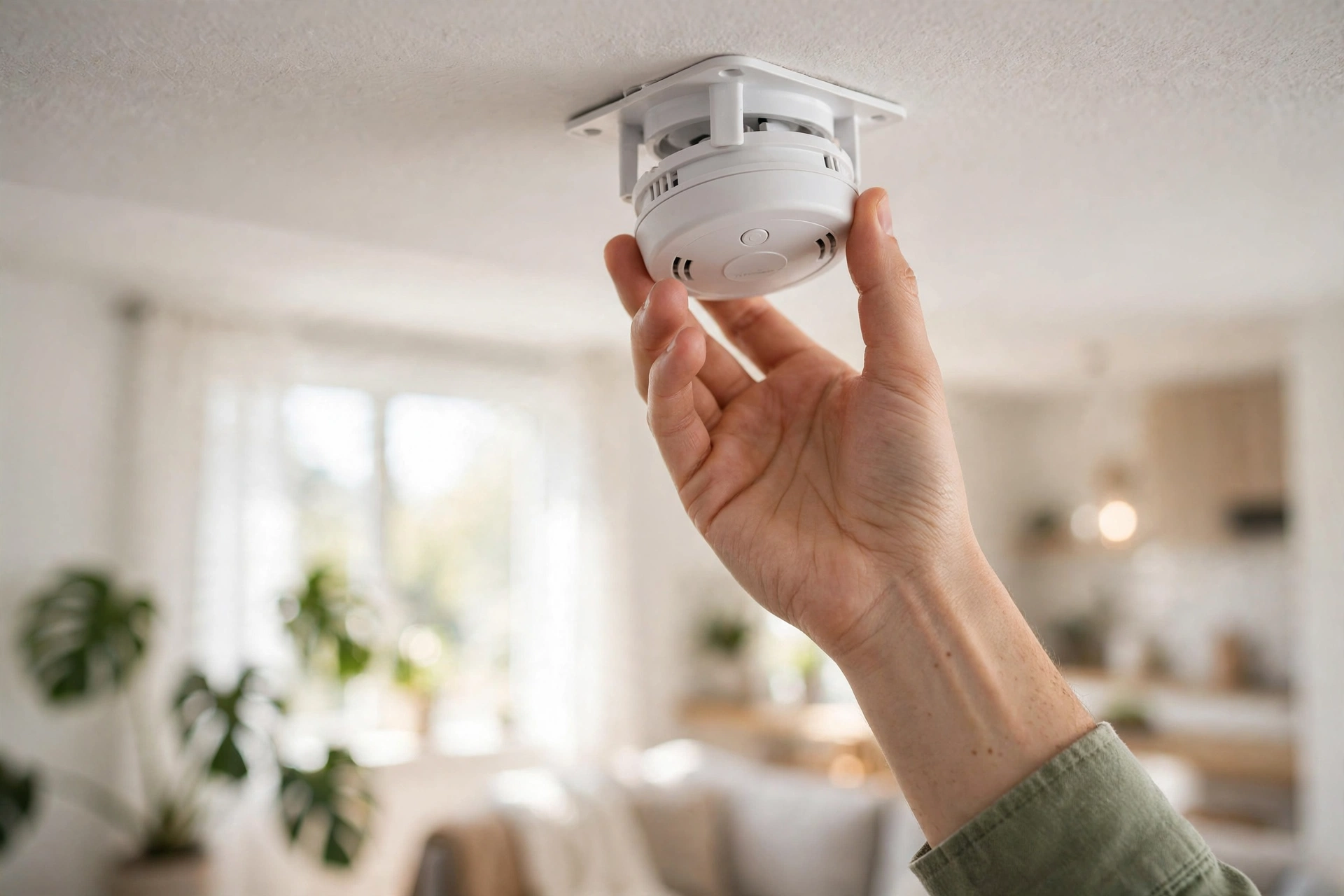
One device, one mounting spot, one battery to maintain — combos halve the hardware while covering both threats. They’re ideal for hallways and bedrooms where you’d otherwise stack two alarms. Just make sure the unit is listed for both smoke and CO; all seven picks above carry both certifications.
Sensor Types: Photoelectric + Electrochemical
Photoelectric chambers excel at smoldering fires; electrochemical cells are the standard for CO. Every pick above pairs these two — avoid any “combo” that doesn’t name both sensor types, because that’s where the protection actually comes from.
Hardwired vs Sealed 10-Year Battery
Hardwired units tie into your home’s power with battery backup and interconnect easily — the choice for new construction and code-driven installs. Sealed 10-year battery units are the retrofit king: mount anywhere, ignore for a decade, replace at expiry. For a deeper look at how these invisible threats behave, read our guide to radon and carbon monoxide.
Smart vs Standalone
Z-Wave combos feed alerts to your phone via Ring or a smart hub — worth it if you’re away from home often, since a CO leak doesn’t wait for you to get back. Standalone units protect just as well locally; they just can’t call you. Either way, fold detectors into your broader environmental sensor setup for full coverage.
Where to Install Combo Detectors
Put one outside every sleeping area and on every level, including the basement. Keep them away from fuel-burning appliances by the manufacturer’s recommended distance to avoid nuisance CO readings, and never place them in dead-air corners. Work through a fire safety checklist while you’re at it, and review why CO detectors deserve their own spot in your plan.
Frequently Asked Questions
Do I need separate smoke and CO detectors, or is a combo enough?
A listed combo detector covers both threats in one unit and is enough for most locations. Just confirm it’s certified for both smoke and CO — all seven picks above are.
Where should CO detectors be placed — high or low?
Follow the manufacturer’s guidance: CO mixes with air, so most makers approve wall or ceiling mounting outside sleeping areas and on each level. The locations matter more than the height — prioritize bedrooms and areas near fuel-burning appliances.
How often do combo detectors need replacing?
CO sensors wear out: most combos expire 7 to 10 years after manufacture, so check the date stamped on the unit. Sealed-battery models typically last the full 10; replace the whole detector at expiry, not just the battery.
Will a combo detector tell smoke and CO apart?
Yes — by design. They use distinct alarm patterns (and voice on some models) for smoke vs CO, because your response differs: get low and out for smoke, ventilate and exit for CO. Never ignore either.
Can one combo detector cover my whole house?
No. Alarms are local — put one outside each sleeping area and on every level. Interconnected models (hardwired or wireless) are the fix: when one sounds, they all sound.