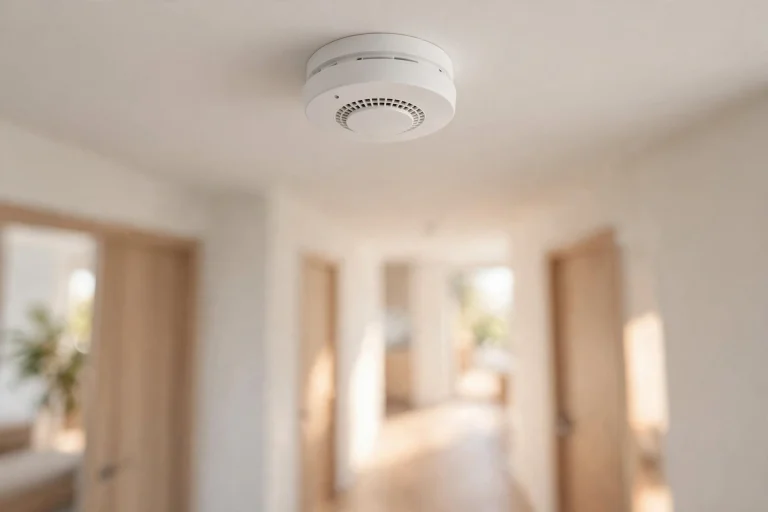

A smoke alarm you can’t hear is a smoke alarm that can’t save you. For the millions of people with hearing loss — and for anyone who sleeps through high-pitched alarms — visual and tactile alerts aren’t accessories, they’re the alarm. Strobe smoke alarms pair detection with powerful flashing lights (and in some setups, bed shakers) so a nighttime fire still wakes the household.
I’ve rounded up the five best options for 2026: hardwired strobe combos that meet visual-signal standards, a battery pick that needs no electrician, and a bedside system that shakes you awake. Here’s what to buy.
Key Takeaways
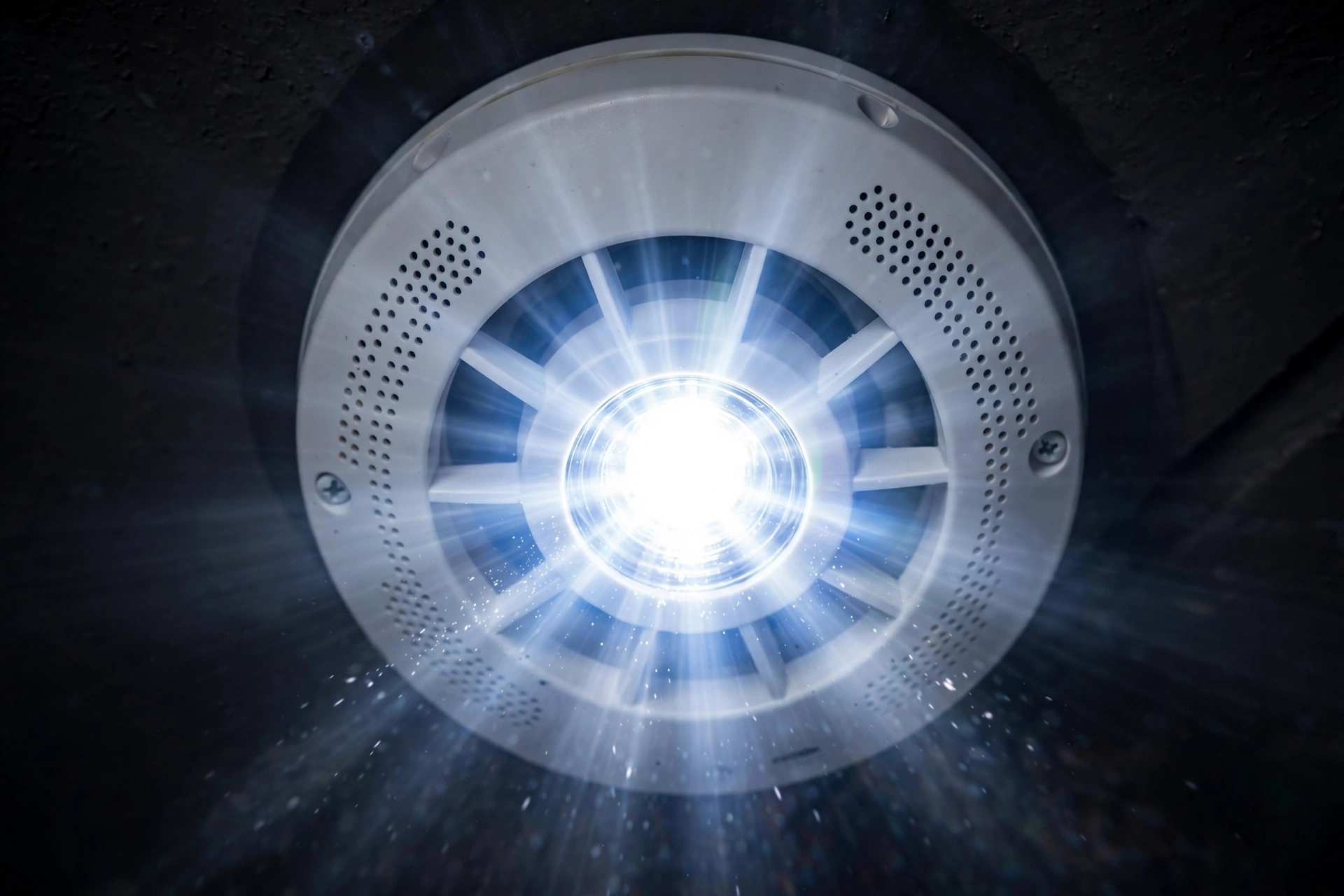
- Strobes replace sound with light — high-intensity LED strobes (measured in candela) flash in distinct patterns for smoke vs CO.
- Look for UL 1971 / NFPA 72 / ADA compliance — these standards govern visual alarm signals; compliant strobes are brighter and synchronized.
- Hardwired strobes interconnect — when one flashes, they all flash, so the alert reaches every room.
- Bed shakers close the sleep gap — for deep sleepers, a vibrating pad under the pillow paired with a strobe is the gold standard.
- Our top pick is the First Alert BRK 7030BSL for combining smoke + CO detection with a synchronized smart strobe.
| First Alert BRK 7030BSL | 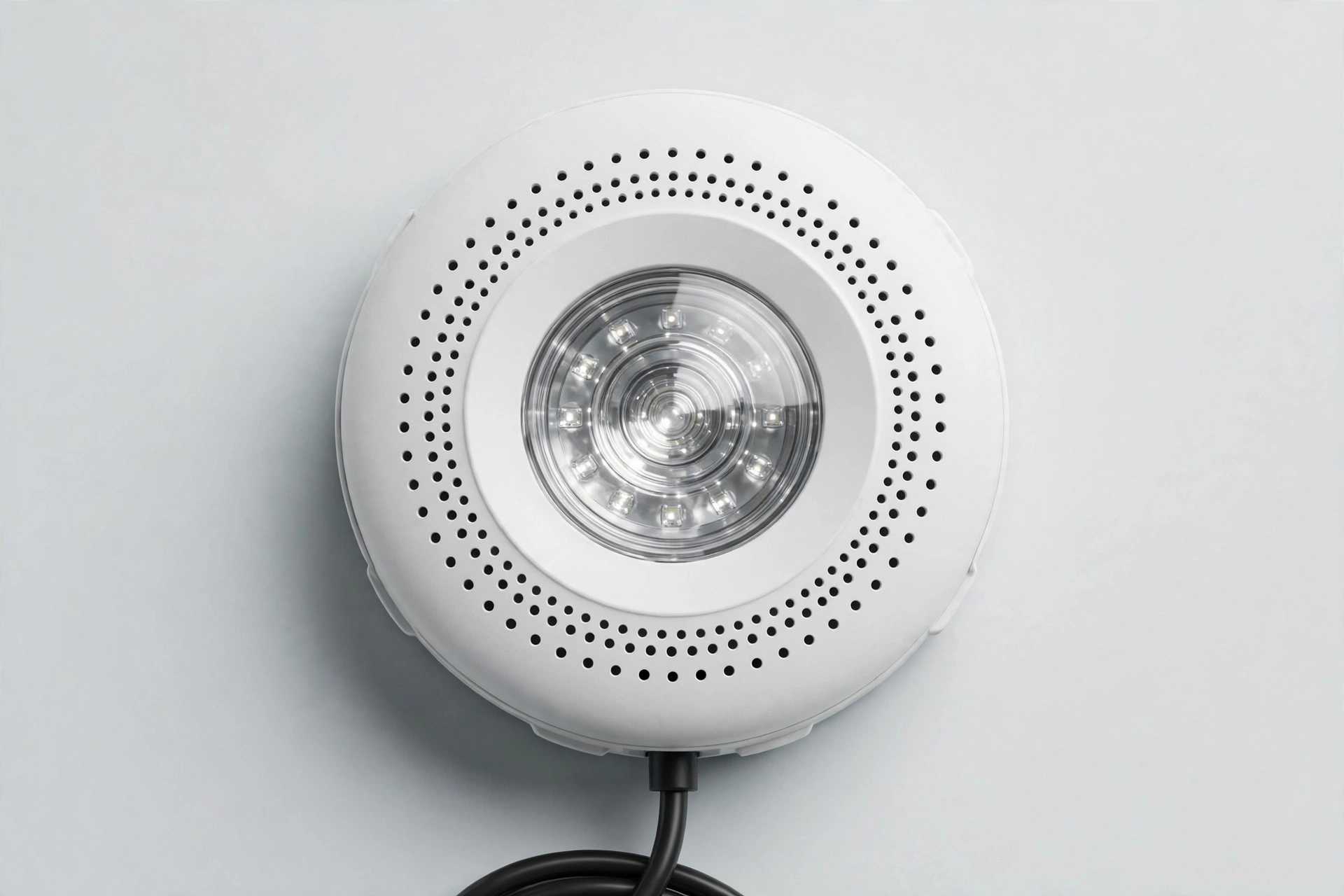 | Best Overall | Type: Smoke + CO + Strobe | Strobe: 77 cd LED | Power: Hardwired | VIEW LATEST PRICE | Read Our Analysis |
| First Alert BRK 7020BSL | 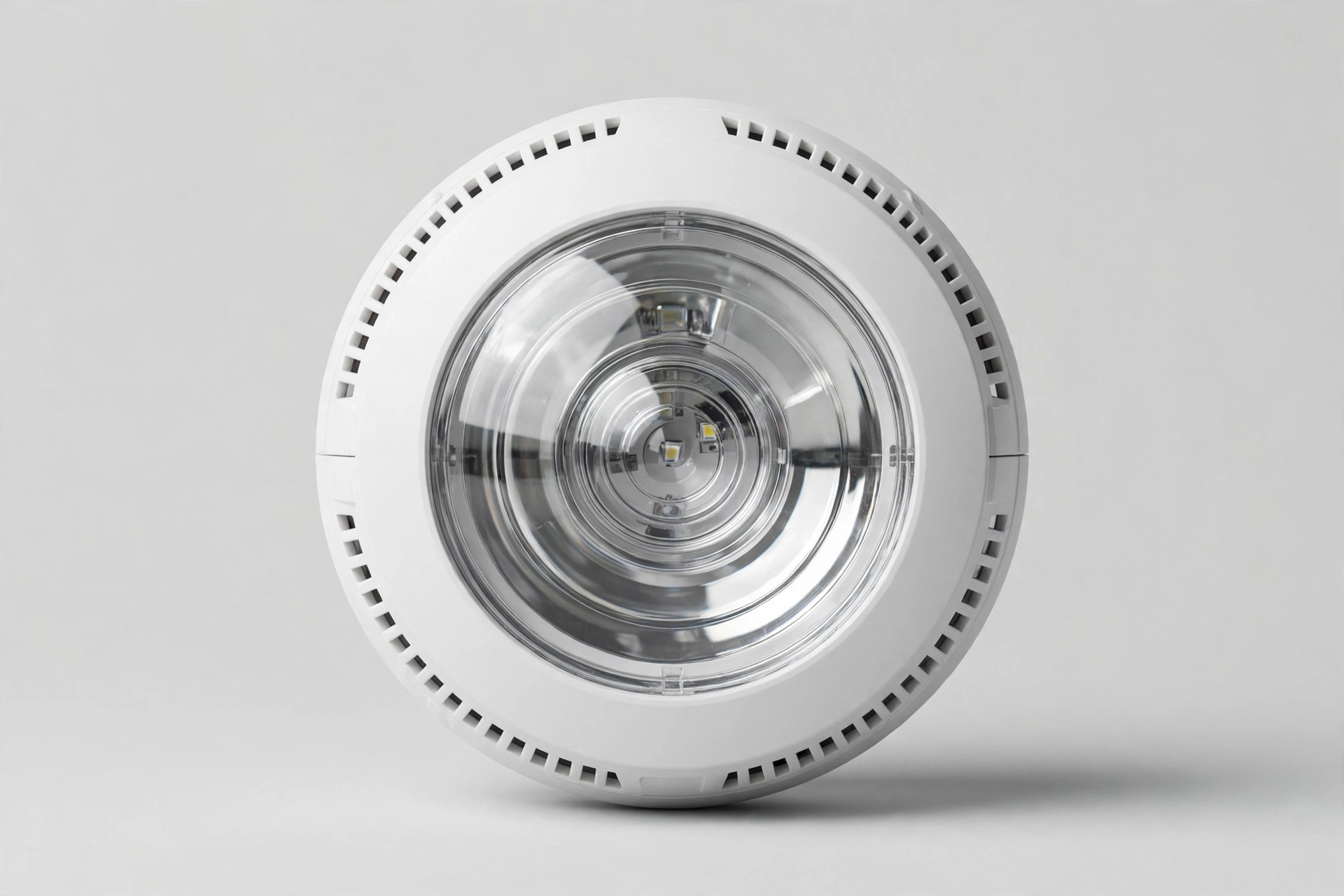 | Brightest Strobe | Type: Smoke + Strobe | Strobe: 177 cd LED | Power: Hardwired + 10-yr backup | VIEW LATEST PRICE | Read Our Analysis |
| First Alert SM110LED-AC | 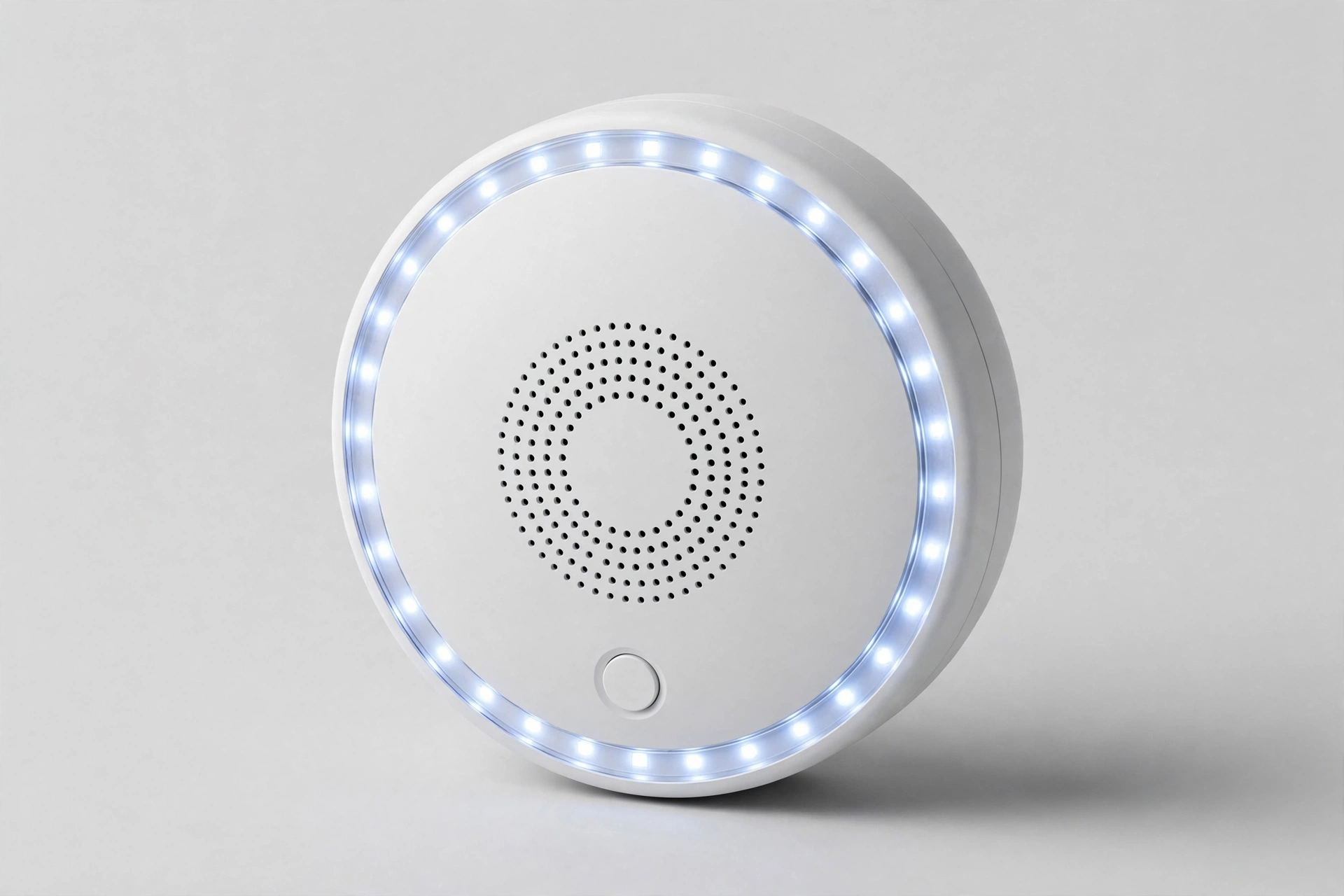 | Best False-Alarm Control | Type: Smoke + Strobe | Feature: Precision Detection | Power: Hardwired + 10-yr backup | VIEW LATEST PRICE | Read Our Analysis |
| Kidde P3010H with Safety Light | 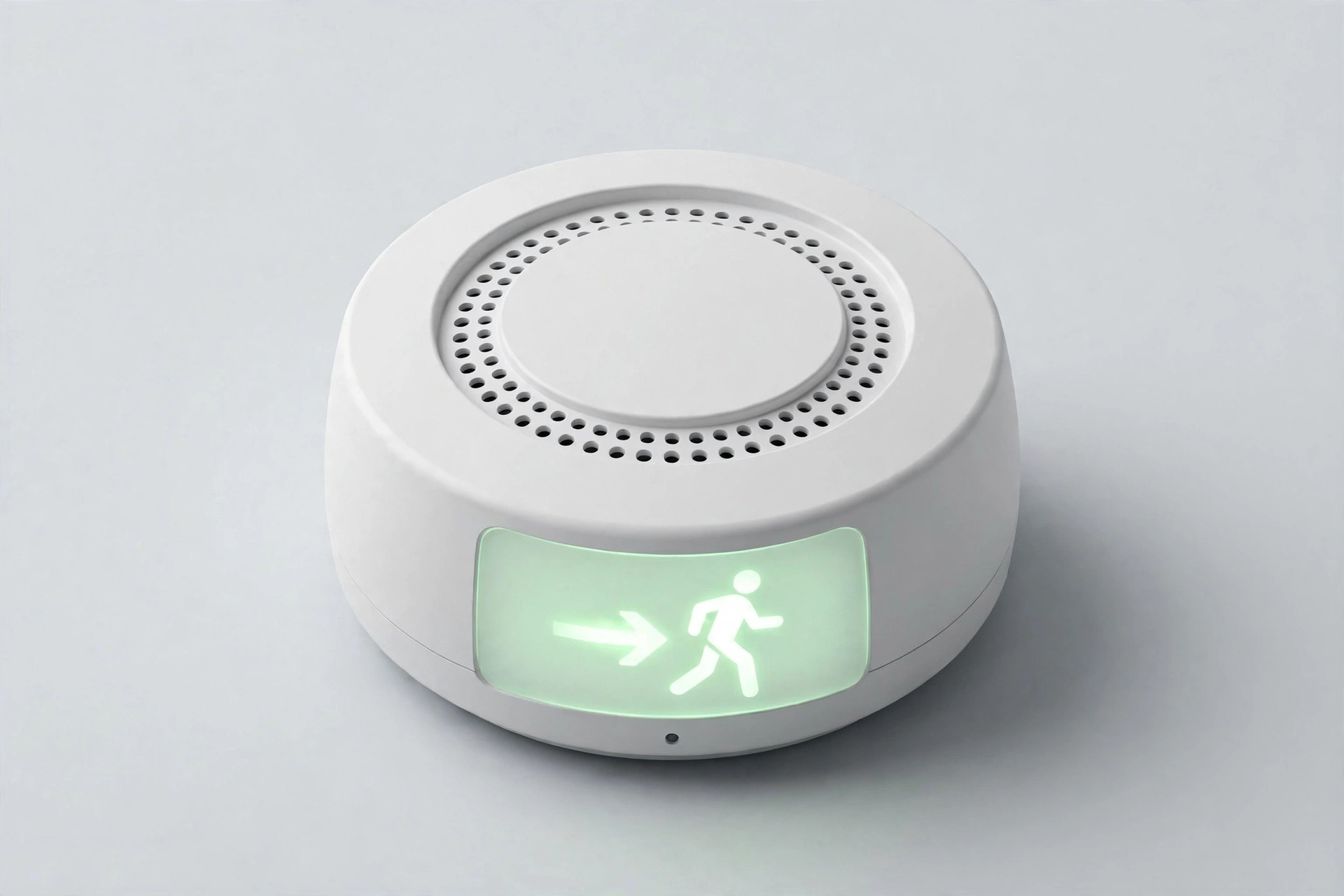 | Best Battery Option | Type: Smoke + Safety Light | Power: Sealed 10-yr battery | Siren: 85 dB | VIEW LATEST PRICE | Read Our Analysis |
| Bellman & Symfon Visit with Bed Shaker | 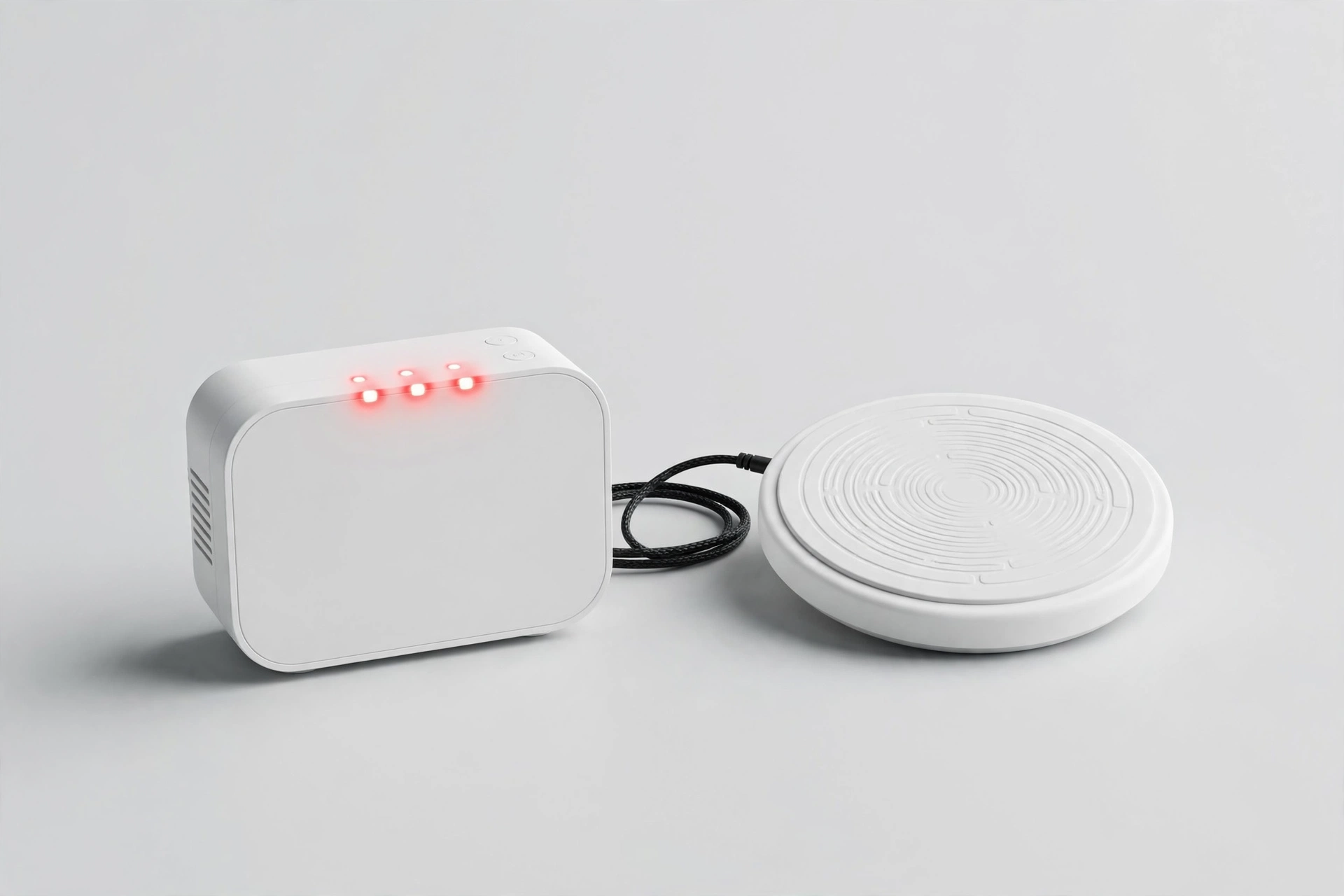 | Best Bedside Alert | Type: Bed Shaker + Flash | Alerts: Vibration + light + 100 dB | Range: 520 ft | VIEW LATEST PRICE | Read Our Analysis |
First Alert BRK 7030BSL
The 7030BSL is the complete package for hearing-impaired households: smoke and CO detection plus a 77-candela LED strobe in one hardwired unit, with distinct flash patterns so you can tell a smoke event from a CO event visually. Strobes synchronize across interconnected units, it has battery backup for outages, and First Alert backs it with a 10-year warranty.
It’s hardwired-only, so you’ll need an electrician if there’s no existing alarm circuit, and it’s priced above basic alarms. For dual-threat visual alerting that meets the standards, it’s the benchmark.
- Strobe:Smoke + CO in one unit with 77 cd LED strobe
- Strobe:Smart strobe — distinct flash patterns for smoke vs CO
- Power:Hardwired with battery backup
- Strobe:Synchronized strobes across units
- Warranty:10-year limited warranty
First Alert BRK 7020BSL
If maximum visual punch is the goal, the 7020BSL’s 177-candela strobe is the brightest here — the code-conscious choice for bedrooms and hallways, meeting ADA, NFPA 72, and UL 1971 visual-signal requirements. The Optipath 360 photoelectric sensor, 10-year sealed battery backup, and 18-unit interconnect round out a serious life-safety device.
It’s smoke-only (no CO sensor), so pair it with a CO alarm, and it’s hardwired. For pure visual fire alerting at full code strength, nothing here beats it.
- Strobe:177 candela synchronized LED strobe
- Sensor:Photoelectric smoke sensor (Optipath 360)
- Power:Hardwired with 10-year sealed battery backup
- Certification:Meets ADA/NFPA 72/UL 1971 visual-signal standards
- Interconnect:Interconnects up to 18 units
First Alert SM110LED-AC
First Alert’s newer strobe model brings Precision Detection to the visual-alarm category, which means fewer cooking false alarms — important when every false alarm is a full-house light show. You get an integrated smoke alarm plus LED strobe, 10-year battery backup, interconnect with most First Alert/BRK alarms, and a test/silence button.
As a newer model it has a shorter track record, and it’s hardwired like the others. If false alarms are your pet peeve, the smarter sensing earns its place.
- Strobe:Integrated smoke alarm + LED strobe in one device
- Detection:Precision Detection reduces cooking false alarms
- Power:10-year battery backup
- Interconnect:Interconnects with most First Alert/BRK alarms
- Controls:Test/silence button
Kidde P3010H with Safety Light
No electrician, no wiring: the Kidde P3010H runs on a sealed 10-year battery and adds a safety light that illuminates your escape path when the alarm sounds — a thoughtful touch for hearing-impaired residents who need to see their way out. The photoelectric sensor, 85 dB horn, and red LED cover the standard bases, with a Test-Hush button for nuisance alarms. Our smoke detector buying guide covers the basics this builds on.
The safety light is an escape-path illuminator rather than a full UL 1971 strobe, so check your local code if you need listed visual signaling — and as a standalone unit it won’t flash in sync with a hardwired system. For rentals and retrofits, though, it’s the practical pick.
- Safety Light:Safety light illuminates escape path
- Battery:Sealed 10-year lithium battery — no wiring
- Sensor:Photoelectric sensor
- Alarm:85 dB alarm + red LED
- Controls:Test-Hush button
Bellman & Symfon Visit with Bed Shaker
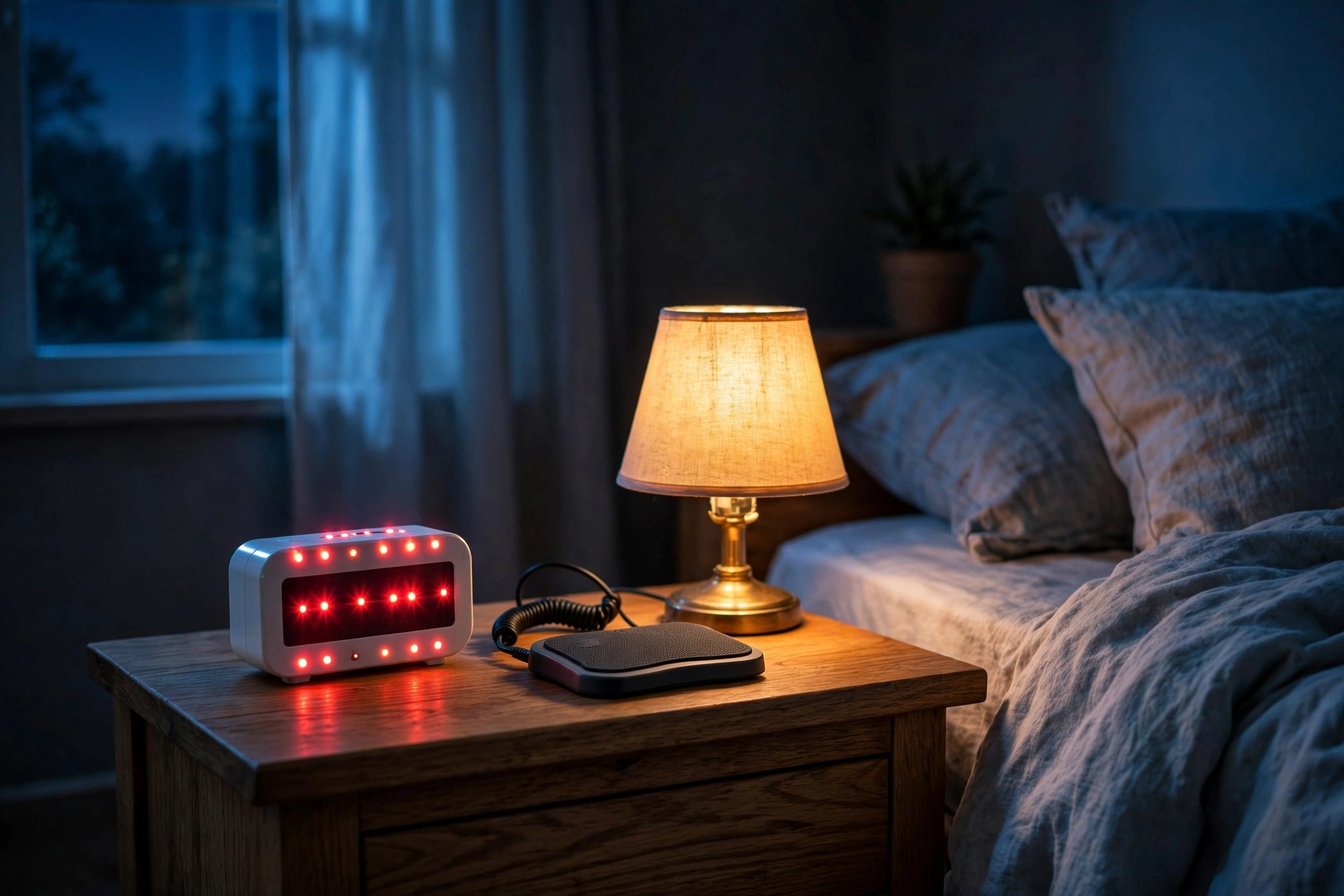
The Bellman & Symfon Visit is the bedside half of a hearing-impaired alert system: when a paired Visit smoke or CO transmitter triggers, the alarm clock shakes your bed with a powerful vibrating pad, flashes bright LEDs, and sounds at 100 dB. With 520 feet of wireless range, battery backup, and no Wi-Fi needed, it works even when the internet doesn’t.
It’s a receiver, not a detector — you need Visit smoke/CO transmitters for it to have something to announce. As a wake-up layer on top of strobe alarms, especially for older family members — see our home safety tips for elderly family members and home security tips for senior citizens — it’s unmatched for deep sleepers. For whole-home coverage it also pairs well with the best home security systems for elderly parents.
- Siren:Bed shaker vibration + 100 dB sound + flashing LEDs
- Feature:Wireless — pairs with Visit smoke/CO transmitters
- Power:520-ft range with battery backup
- Connectivity:No Wi-Fi or internet needed
- Smart Home:Designed for deaf and hard-of-hearing users
Strobe Smoke Alarm Buying Guide
Why Visual Alarms Matter
Hearing loss is common, and high-frequency hearing goes first — exactly the frequencies smoke alarms use. Visual and tactile alerts don’t depend on hearing at all, which is why building codes increasingly require them in bedrooms and hotels. If anyone in the home can’t reliably hear a standard alarm, strobes aren’t optional.
Candela Ratings Explained
Strobe brightness is measured in candela (cd). Higher cd means the flash is visible from farther away and through a groggy, half-open door. For bedrooms, look for 110+ cd models like the 7020BSL’s 177 cd; 77 cd suits hallways and smaller rooms.
Standards: UL 1971, NFPA 72, and ADA
Listed visual signals meet UL 1971 and NFPA 72 requirements for flash rate, intensity, and synchronization — so interconnected strobes flash together instead of a chaotic flicker. If code compliance matters (rentals, new builds), buy listed models.
Hardwired vs Battery
Hardwired strobes interconnect and never need battery swaps — the right choice where code requires them. Battery and sealed-battery models like the Kidde P3010H are the retrofit answer: mount anywhere, no electrician, just verify they satisfy your local requirements.
Don’t Forget the Night: Bed Shakers
Strobes can’t help if your face is in the pillow. A bed-shaker system like the Bellman Visit adds vibration that wakes deep sleepers, rounding out a visual + tactile + audible layered alert — the configuration safety organizations recommend for deaf and hard-of-hearing households.
Frequently Asked Questions
Are strobe smoke alarms required by law?
It depends on your jurisdiction and occupancy — many codes require visual notification appliances in bedrooms of new construction, hotels, and rentals housing deaf or hard-of-hearing occupants. Check your local fire code; when in doubt, listed strobes (UL 1971) are the safe choice.
What’s the difference between a strobe and a flashing LED alarm?
A true strobe is a high-intensity, listed visual signal (measured in candela) designed to alert through closed eyelids and across rooms. The small blinking LED on a standard alarm is just a status indicator — it won’t wake anyone.
Can I add a strobe to my existing smoke alarms?
Yes — if your alarms interconnect (hardwired or wireless), adding one listed strobe unit to the circuit extends visual alerting to that room. Standalone plug-in strobes that listen for your alarm’s sound also exist, though a matched system is more reliable.
Do strobe alarms also detect carbon monoxide?
Some do — the First Alert 7030BSL combines smoke, CO, and strobe in one unit with distinct flash patterns for each threat. The 7020BSL is smoke-only, so check the specs if you need CO coverage.
Will a strobe wake a sleeping person?
Listed strobes are designed to — high-intensity flashes penetrate eyelids, and the standards behind them are built around wake-up effectiveness. For the deepest sleepers, pairing a strobe with a bed shaker covers the remaining gap.