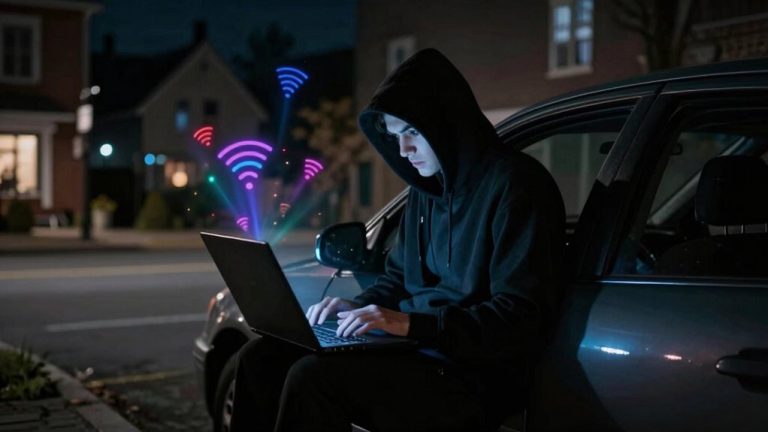

Many users believe that a VPN guarantees complete online anonymity, which isn’t entirely accurate. While VPNs do encrypt your data and mask your IP address, various factors can still compromise your privacy. Understanding these nuances can help you navigate the complexities of VPN services effectively. As you consider how these tools fit into your digital life, it’s crucial to explore both their benefits and limitations.
What Is a VPN and How Does It Work?
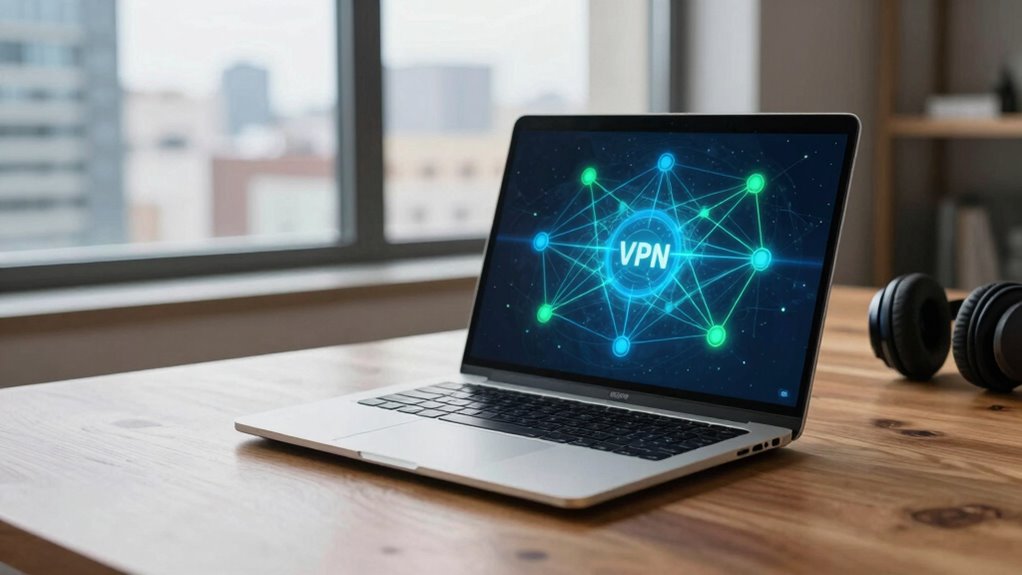
A Virtual Private Network (VPN) is a powerful tool that creates a secure connection over the internet, shielding your online activities from prying eyes. By encrypting your data, it guarantees that your information remains private.
Various VPN protocols—like OpenVPN, IKEv2, and L2TP—offer distinct advantages, making a VPN protocols comparison essential for understanding which suits your needs best.
As VPN usage statistics reveal, an increasing number of individuals rely on these services for enhanced privacy and security.
When you connect to a VPN, your internet traffic is routed through a server, masking your IP address and location. This process not only protects your data but also grants you the freedom to access content restricted by geographical boundaries.
Common Misconceptions About VPNs Explained
While many people recognize the benefits of using a VPN, several misconceptions can cloud their understanding of how these services function.
One common VPN myth is that they guarantee complete anonymity online. In reality, while they enhance privacy, no tool can assure total invisibility.
Another misconception is that VPNs slow down your internet speed considerably; however, many providers optimize their services to maintain performance.
Many assume VPNs significantly reduce internet speed, yet numerous providers enhance performance for seamless browsing.
Additionally, some believe VPNs are only for tech-savvy users, but most applications are user-friendly and accessible to anyone.
Understanding these VPN realities can empower you to make informed choices about your online privacy and security, assuring you harness the full potential of this technology while traversing the digital landscape with confidence.
Top 5 Privacy Benefits of Using a VPN
Using a VPN markedly enhances your online anonymity by masking your IP address and location.
This added layer of privacy not only safeguards your identity but also protects your data through secure encryption methods.
Understanding these benefits can help you make informed decisions about your online security.
Enhanced Online Anonymity
When you connect through a Virtual Private Network (VPN), your online activities become considerably more private and secure.
This enhanced anonymity greatly reduces your digital footprint, making it difficult for websites and advertisers to track your movements. By masking your IP address, a VPN allows you to browse the internet without revealing your location or identity.
This level of online privacy is essential in a world where data collection is rampant, empowering you to reclaim control over your personal information. Additionally, using a VPN can protect you from unwanted surveillance and data harvesting, fostering a safer online environment.
Ultimately, a VPN not only enhances your anonymity but also strengthens your freedom to explore the internet without fear of being monitored.
Secure Data Encryption
Secure data encryption is one of the most critical advantages of utilizing a VPN, as it safeguards your information from potential threats.
When you connect to a VPN, your data is protected through various encryption protocols, ensuring that it remains private and secure. This means that even if cybercriminals intercept your data, they won’t be able to decipher it.
By using a VPN, you enhance your data protection, especially when accessing public Wi-Fi networks, where risks are heightened. Additionally, the strong encryption standards employed by reputable VPN services provide an additional layer of security, empowering you with the freedom to browse without fear.
Ultimately, secure data encryption is essential for anyone prioritizing their online privacy and security in today’s digital landscape.
VPN Limitations and Risks
While VPNs offer substantial benefits for online privacy, they also come with notable limitations and risks that users must consider. You might experience VPN performance issues, such as slower internet speeds and inconsistent connectivity. Additionally, it’s essential to be aware of vpn legality concerns, as using a VPN may be restricted or illegal in certain jurisdictions.
| Limitation/Risk | Description | Impact on User |
|---|---|---|
| Performance Issues | Slower speeds and potential disconnections | Frustration and inefficiency |
| Legal Concerns | Varying laws regarding VPN use | Risk of penalties or fines |
| Data Logging | Some providers may track user activity | Compromised privacy |
| Trustworthiness | Not all VPNs are reputable | Potential data breaches |
| Misleading Marketing | Claims of complete anonymity may be exaggerated | False sense of security |
Picking the Right VPN for You?
How can you guarantee that the VPN you choose meets your specific needs? Start by considering factors that align with your user preferences. User reviews can provide valuable insights into performance and reliability.
To ensure your chosen VPN meets your needs, evaluate user preferences and rely on insightful reviews for performance insights.
Here are some key aspects to evaluate:
- Privacy Policy: Make sure it has a strict no-logs policy.
- Server Locations: Check if it offers servers in your desired countries.
- Speed and Bandwidth: Look for high-speed connections without data caps.
- Device Compatibility: Confirm it works on all your devices.
- Customer Support: Assess the availability and responsiveness of support options.
Best Practices for Using a VPN Securely
Using a VPN effectively requires attention to certain best practices that enhance your online security.
First, make sure your VPN configurations are optimized for maximum protection. This includes enabling features like a kill switch and DNS leak protection.
Second, maintain consistent user habits; always connect to the VPN before accessing the internet to prevent data leaks.
Regularly update your VPN software to address vulnerabilities and enhance security features.
Avoid using public Wi-Fi without a VPN, as this can expose your data to threats.
Finally, be cautious with your personal information. Even while using a VPN, practice good cybersecurity hygiene by using strong, unique passwords and enabling two-factor authentication where possible.
These steps will help safeguard your online freedom.
Frequently Asked Questions
Can I Use a VPN on Multiple Devices Simultaneously?
Yes, you can use a VPN on multiple devices simultaneously, provided it supports multi-device compatibility. Many VPN services allow several simultaneous connections, enhancing your freedom and security across all your devices. Enjoy seamless browsing!
Will a VPN Make My Internet Speed Slower?
When you use a VPN, expect occasional speed fluctuations, like clouds in a clear sky. While VPN performance can slow your connection, the trade-off for privacy and freedom often outweighs these minor delays.
Are Free VPNS Safe to Use?
Free VPNs can pose significant risks, such as data privacy issues and limited security. While they offer benefits like cost savings, you should weigh these against potential vulnerabilities to your personal information and online freedom.
Can a VPN Bypass Government Censorship?
Yes, a VPN can effectively aid in censorship evasion, allowing you to slip through barriers like a shadow. However, its effectiveness varies based on your location and the strength of government restrictions you face.
Do I Need to Keep My VPN on All the Time?
You don’t need to keep your VPN on all the time, but doing so enhances security benefits and addresses privacy concerns. Just guarantee connection stability when accessing sensitive information or public networks.